


Bengaluru: After experiencing five pregnancy losses, a 37-year-old Bengaluru woman finally welcomed her second baby in her seventh pregnancy, a high-risk journey complicated by recurrent pregnancy losses, Type 2 diabetes, obesity and a previous Caesarean delivery. Doctors at Milann Fertility & Birthing Hospital closely monitored her pregnancy before an emergency intervention at 34 weeks helped secure a stable outcome for the mother and baby.

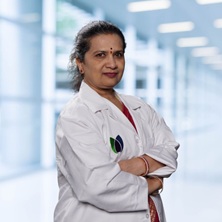
The pregnancy was managed by Dr. Sunitha Mahesh, Medical Director & Senior Consultant – Reproductive Medicine and Maternal Fetal Medicine, Milann Fertility & Birthing Hospital. Given the patient’s obstetric history and multiple medical risk factors, the pregnancy required close monitoring from the early stages.
This was the woman’s seventh pregnancy, following five previous pregnancy losses and one earlier live birth. Her previous pregnancies had included missed abortions, a spontaneous abortion, a biochemical pregnancy, and a medical termination.
At conception, her HbA1c was 11.1%, indicating poor blood sugar control over the preceding two to three months. She was started on insulin therapy and advised to regularly monitor her blood sugar levels at home. Her insulin doses were adjusted during pregnancy to maintain better glucose control. Given her history of recurrent pregnancy losses, she underwent a prophylactic McDonald’s cervical cerclage at 13 weeks, a stitch placed around the cervix to help keep it closed and reduce the risk of premature opening.
Dr. Sunitha Mahesh, Medical Director & Senior Consultant – Reproductive Medicine and Maternal Fetal Medicine, Milann Fertility & Birthing Hospital, said:
“This was a high-risk pregnancy that required careful monitoring from the beginning because of her previous pregnancy losses, diabetes, and other risk factors. We closely monitored her blood sugar levels, cervical status, and the baby’s growth throughout the pregnancy. Despite a few challenges during the antenatal period, the pregnancy progressed satisfactorily with timely treatment and regular follow-up.”
The patient required two hospital admissions during pregnancy. In the second trimester, she was admitted with hyperemesis, or severe vomiting during pregnancy, along with dizziness and positive ketone bodies, and was treated with intravenous fluids and monitoring. She was later admitted during the third trimester following spotting per vaginum, or vaginal bleeding, and was managed with medication and blood sugar monitoring.
At 32 weeks and 5 days, an ultrasound showed satisfactory fetal growth. The baby was in breech presentation, with adequate amniotic fluid and an estimated weight of 1,654 grams. However, at 34 weeks and 4 days, the patient suddenly presented to the emergency department with abdominal pain and vaginal bleeding. Examination showed a tonically contracted uterus, while the Non-Stress Test (NST) recorded persistent fetal tachycardia, with the baby’s heart rate around 170 beats per minute.
Doctors suspected placental abruption, a condition in which the placenta begins to separate from the wall of the uterus before delivery. The condition can affect the baby’s oxygen supply and may cause significant bleeding, making immediate medical intervention important. Considering the bleeding and signs of fetal distress, the medical team immediately performed an emergency Lower Segment Caesarean Section (LSCS). During surgery, a retroplacental clot, or a collection of blood behind the placenta, was found, confirming placental separation. The estimated blood loss was approximately 500 mL.
A 2.6-kg baby boy was delivered and cried immediately after birth. He was shifted to the Neonatal Intensive Care Unit (NICU) for observation because he was born at 34 weeks. The mother’s postoperative recovery was uneventful. Her blood pressure, blood sugar levels and vital signs remained stable, and she was discharged in a stable condition on the second postoperative day.
The patient said, “After experiencing several difficult pregnancies, this baby was extremely precious to me. The constant monitoring and support from the medical team gave me confidence throughout the journey. When I suddenly developed pain and bleeding, I was very scared, but I am grateful that the doctors acted quickly and that my baby and I are doing well.”