


By Geetha V P
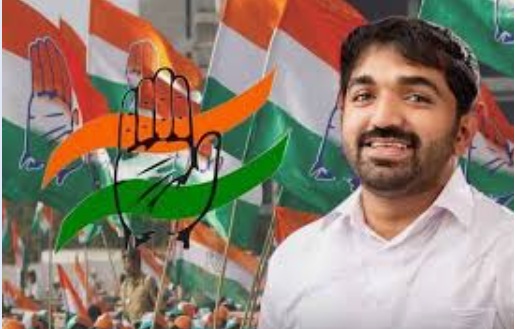
In the high-stakes arena of Indian elections, where candidates often deploy lavish displays—flex banners fluttering across streets, massive motorcades, and posters blanketing walls—Chandy Oommen stands out as a refreshing exception. The Congress MLA from Puthuppally, son of the late beloved Chief Minister Oommen Chandy, rewrote the script for political campaigning during the 2026 Kerala Assembly elections. He embraced a minimalist, eco-friendly “green protocol” that prioritized direct voter connection over spectacle, saving substantial funds to invest directly in his constituents’ welfare.
This approach is not mere optics. It reflects a deeper philosophy: politics as service, where resources serve people rather than propagate the politician. By avoiding traditional extravagances, Chandy Oommen reportedly limited his total election expenditure to around ₹20 lakh, a stark contrast to the crores spent by many peers. Reports highlight savings of approximately ₹79 lakh redirected from campaign materials like flex boards, banners, posters, and large vehicle processions. These funds fuel social initiatives, primarily housing for the homeless through the Oommen Chandy Foundation.
A Bicycle, Door-to-Door, and Personal Touch
Chandy Oommen, a 40-year-old advocate who practices at the Supreme Court, campaigned primarily on a bicycle (or hybrid/electric cycle). He conducted extensive door-to-door visits, engaging in face-to-face conversations without microphones or loudspeakers. This methodical, personal outreach allowed genuine interactions, with voters often interrupting for discussions. Rahul Gandhi notably joined him on a bicycle ride through the constituency, amplifying the campaign’s unique appeal.
The campaign was zero-waste and green: no plastic clutter, no visual pollution that typically burdens Kerala’s ecologically sensitive landscapes post-elections. Chandy emphasized that this method not only reduced environmental impact but also built authentic connections. Voters in Puthuppally, familiar with the Oommen Chandy family’s legacy of approachable governance, responded overwhelmingly. On May 4, 2026, he retained the seat with a commanding margin of over 52,907–53,907 votes, polling around 84,031 votes against his nearest rival.
Investing Savings in Homes for the Homeless
The true hallmark of Chandy Oommen’s politics lies in what he does with the savings. Through the Oommen Chandy Foundation—named after his father, who was known for people-centric initiatives—he has focused on providing shelter to the needy. By March/April 2026, he had completed over 48 houses (some reports cite exactly 48), with foundations laid for another 25. His stated goal is to build 100 houses for the homeless in the constituency within five years. Campaign savings directly support this mission, with additional contributions from well-wishers channeled entirely to the foundation rather than electoral pomp.
In one report, he noted redirecting more than ₹25 lakh from campaign cuts toward housing. This practical charity extends his father’s humanitarian legacy. The foundation has handed over keys in batches, with ceremonies celebrating new “Oommen Chandy Homes” for families. Chandy views housing as foundational to dignity and development, addressing a critical need in his area while setting a precedent for accountable politics.
Modest Lifestyle and Transparent Finances
Chandy Oommen’s personal life mirrors his political frugality. Born on March 1, 1986, in Puthuppally as the only son of Oommen Chandy and Mariamma Oommen, he has two sisters. A lawyer and social worker by profession, his declared assets in election affidavits stand at around ₹23.2 lakh with liabilities of about ₹13.3 lakh—a notably modest profile for a prominent politician. His annual income is in the range of a few lakhs from professional earnings.
He lives without ostentation, focusing on public service. This simplicity resonates in a state where voters increasingly question the disconnect between leaders’ promises and personal conduct. By directing resources away from self-promotion, he demonstrates that effective leadership stems from results on the ground, not roadside hoardings.
A Model for Future Leaders
Chandy Oommen’s 2026 campaign offers a replicable template amid concerns over money power, environmental degradation from election waste, and voter cynicism. Traditional campaigns in Kerala often cost candidates and parties heavily, with much expenditure on visibility that vanishes after polling day. In contrast, Chandy’s model minimizes waste and maximizes welfare impact.
His victory with a huge margin proves that voters reward substance. In Puthuppally—a constituency with deep emotional ties to the Oommen Chandy legacy—people appreciated the continuity of service-oriented politics. The late CM was admired for his accessibility and development focus; the son carries this forward innovatively, blending legacy with sustainability and direct action.
As Kerala and India grapple with political funding, campaign reforms, and climate challenges, leaders like Chandy Oommen highlight a path forward. He shows that elections can be platforms for long-term good rather than short-term spectacle. By spending less on himself and investing more in voters’ lives—literally building homes—he embodies politics of empathy and efficiency.
In an era of competitive populism, Chandy Oommen’s story reminds us that true popularity flows from quiet, consistent service. His bicycle rides and brick-and-mortar contributions set a high bar. Other leaders would do well to follow: campaign leanly, govern generously, and let the people’s welfare be the loudest message. Kerala’s voters have endorsed this model decisively—perhaps signaling a broader shift toward more responsible, eco-conscious, and people-first