


In recent years, doctors have noticed a substantial increase in male infertility cases. Historically, the average sperm count has dropped significantly from approximately 113 million/ml in 1940, to 66 million/ml in 1990. Studies show that from the year 2000 onwards there is an average global decline in sperm count of approximately 2.64% per year. Male factors now account for approximately 40% of all cases of infertility, and there has been a 25% increase in male infertility.
Factors causing decline in sperm parameters
Dr. Ankush Raut, Infertility Specialist, Apollo Fertility, Borivali, Mumbai highlighted that there are several factors leading to this decline. “Some of these factors include the following –
- Lifestyle stress: Long working hours, irregular sleep, and high stress are impacting hormonal balance in men.
- Dietary habits: Increased intake of processed food, high sugar, and trans fats; lower antioxidant-rich foods.
- Environmental exposures: Heat (laptops, mobile phones in pockets), air pollution, and chemical/toxin exposure.
- Addictions: Smoking, alcohol, and recreational drugs negatively impact sperm count and motility.
- Medical conditions: Rising incidence of varicocele, infections, and hormonal disturbances.
All these factors are significantly impacting men at a younger age,” Dr. Raut said.
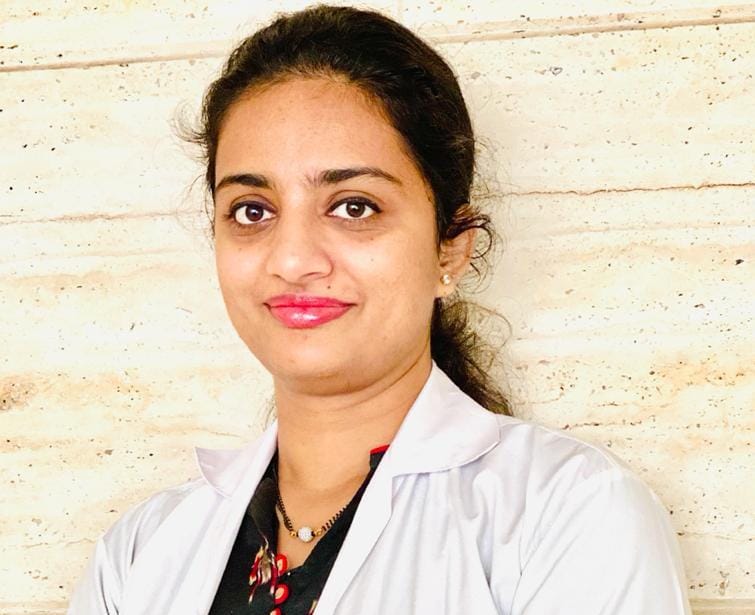
Dr Soumya Shetty, Fertility Specialist, Nova IVF Fertility, Chembur, Mumbai also highlighted a similar sentiment. “A significant change that we noticed is that lifestyle and metabolic health problems are having a much more considerable impact than before, mainly in younger men. One of the major contributors to this situation is the frightening rise in obesity and early-onset diabetes, which have a direct effect on sperm quality, testosterone levels and the overall hormonal balance. Obesity leads to elevated estradiol levels and triggers oxidative stress, resulting in low concentration, motility, and morphology of spermatozoa. Diabetes does so further by damaging the blood vessels and nerves, hence impairing not only sperm but also sexual functions,” Dr. Shetty said.
Precautions & lifestyle/diet recommendations by the doctors:
- Maintain healthy weight through regular exercise and balanced diet.
- Eat antioxidant-rich foods (fresh fruits, vegetables, nuts, whole grains, omega-3 sources).
- Avoid smoking, alcohol, and drug use.
- Reduce stress with yoga, meditation, or relaxation techniques.
- Limit heat exposure to testicular region (tight clothing, hot baths, prolonged laptop use on lap).
- Adequate sleep (7–8 hours per night) is crucial.
Treatments available for men:
- Detailed evaluation: Hormonal profile, genetic testing, scrotal Doppler to identify treatable causes.
- Medical management: Antioxidant and micronutrient supplementation (e.g., L-carnitine, coenzyme Q10, myo-inositol, vitamins C & E, zinc, selenium).
- Lifestyle counselling with dieticians and andrologists.
- Surgical correction: For conditions like varicocele.
- Assisted reproductive techniques: IUI, IVF, or ICSI depending on the severity.
- Advanced sperm selection techniques: e.g., Microfluidics, Zymot separation, IMSI – to optimize outcomes in IVF/ICSI cycles.