


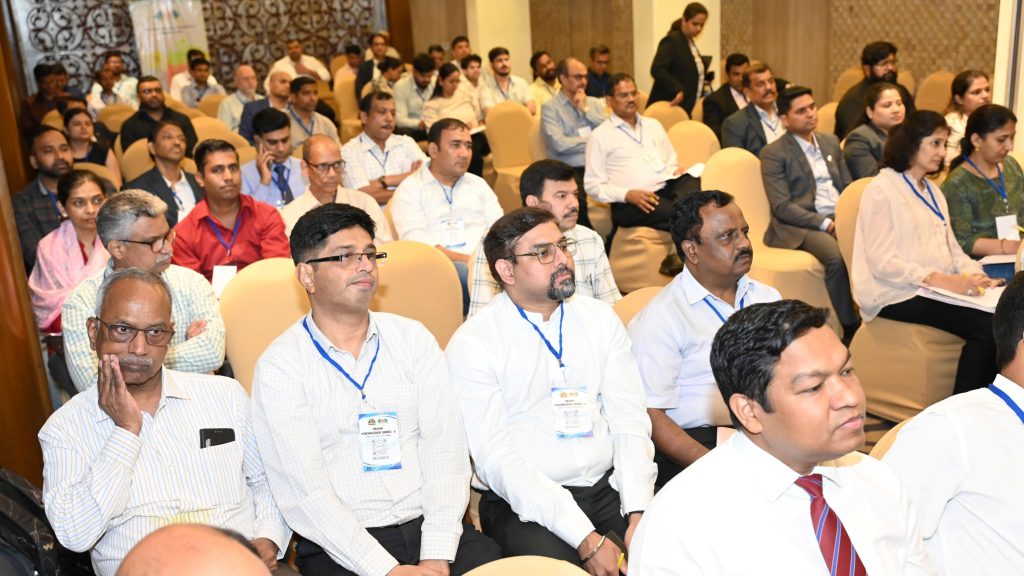
Mumbai: The Hotel And Restaurant Association (Western India) – HRAWI hosted Knowledge Series – II, a comprehensive industry session focused on equipping hospitality stakeholders with critical insights into the evolving regulatory and policy landscape. The event brought together subject matter experts and industry professionals to deliberate on key areas including the Digital Personal Data Protection Act (DPDP) Rules, GST updates, Labour Codes and Maharashtra Tourism Policy 2024, all of which are reshaping the operational environment for the hospitality sector.
The first session, led by Mr Abhijit Parab, Partner – Cybersecurity, Ernst & Young (EY), provided a comprehensive overview of the Digital Personal Data Protection Act and Rules 2025. The session highlighted the increasing importance of data privacy and protection in a sector that handles vast volumes of guest and employee data. Hospitality businesses were advised to strengthen consent mechanisms, data security protocols and breach response systems, with emphasis on timely reporting and accountability. The discussion highlighted that compliance with data protection norms are critical in building consumer trust and operational resilience.
“The hospitality sector processes sensitive guest data at every touch-point, from bookings and check‑ins to loyalty programs and smart room services. Compliance is no longer a legal formality; it is fundamental to preserving guest trust and brand reputation,” says Mr Abhijit Parab.
The second session, conducted by Mr Akshit Saraogi, Director – GST, Global Trade & Customs, Indirect Tax, EY, focused on GST changes effective from 22 September 2025 and recent budget amendments. The session provided clarity on applicable tax structures, ITC challenges and compliance requirements relevant to hotels and restaurants. Experts discussed the need for accurate classification, documentation and timely filings to avoid disputes and optimise tax efficiency. The evolving GST framework continues to require proactive financial planning and advisory support within the sector.
“The latest GST recalibration demands a strategic rethink of pricing, ITC optimisation and compliance processes. Hospitality businesses must now navigate between 5 per cent (without GST input tax credit benefit) and 18 per cent tax regimes (with GST input tax credit benefit) with consequent margin implications,” says Mr Akshit Saraogi.
The third session, led by Mr Anshul Shukla, Director, Business Consulting, EY and Mr Siladitya Dasgupta- Director, Risk Consulting, EY explained the four Labour Codes effective from November 2025, with draft rules published by nine States. The session focused on the consolidation of multiple labour laws into a unified framework, aimed at improving transparency, compliance and worker welfare. It highlighted implications such as a revised definition of wages, expanded social security coverage and stricter norms around working conditions.
“While the reforms under the New Labour Codes are expected to benefit the workforce, they also signal higher compliance requirements and potential cost implications. Hospitality businesses must urgently review wage structures, role classifications and HR systems to align with the new norms,” says Mr. Anshul Shukla.
The final session on tourism policy conducted by Mr Nikhil Padhye, Senior Manager – Tax & Regulatory, EY highlighted the Maharashtra Government’s continued push to position the State as a leading tourism destination. With a strong focus on infrastructure development, destination promotion and public-private partnerships, the policy environment is creating new opportunities for hospitality investments.
“The policy is a game‑changer for Maharashtra’s hospitality ecosystem. With substantial fiscal support and streamlined processes, it creates a conducive environment for investment and growth. In particular, the policy provides a robust framework offering capital subsidies, SGST reimbursements and investment linked incentives, with an annual outlay of approximately Rs.1,666/- Cr. It also highlights the sustainability, regional development and support for large scale tourism projects, further strengthening the State’s hospitality ecosystem,” says Mr Nikhil Padhye.
Ernst & Young (EY) continued as the Official Knowledge Partner for the series, which is held monthly across the western region. The sessions were led by subject matter experts from EY and industry specialists, offering actionable insights to help hospitality businesses navigate complex compliance landscapes.
“The overwhelming response to our second Knowledge Series reaffirms the industry’s commitment to staying ahead of the regulatory curve. From data protection and tax compliance to labour reforms and State incentives, these sessions equip our members with the clarity and confidence to navigate complexity. HRAWI remains dedicated to empowering hospitality professionals with actionable insights and building a resilient, future ready sector,” concludes Mr. Gurbir Singh Bedi, Jt. Hon. Secretary, HRAWI.