


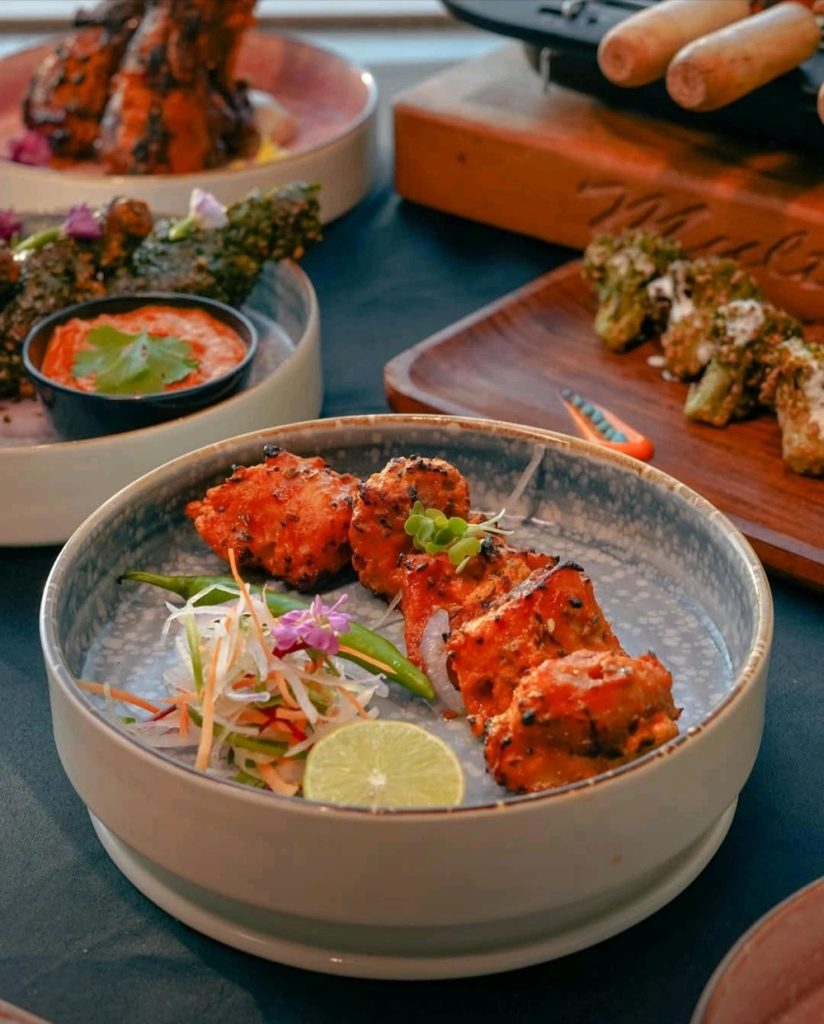
Indian cuisine is increasingly finding a place within global fine-dining conversations. While butter chicken, chicken tikka masala and korma remain international favourites, chefs are now exploring India’s diverse regional gravies, traditional cooking techniques and complex spice profiles to create more refined dining experiences.
This evolution is creating opportunities for restaurants to present Indian cuisine in contemporary formats while preserving the culinary traditions that define it. The focus is shifting from simply serving Indian food to creating a complete experience around its flavours, ingredients and regional identity.
From Traditional Gravies to Contemporary Cuisine
Indian gravies have traditionally been built around slow cooking, freshly ground spices, aromatic ingredients and carefully developed flavours. These fundamentals continue to inspire modern kitchens, where chefs are experimenting with reduction, smoking, roasting, fermentation and infusion.
A familiar curry can be transformed into a concentrated sauce, incorporated into a tasting menu or paired with premium ingredients while retaining its essential character.
According to Chef Rajesh Bhatt, Chef de Cuisine at Radisson Blu Dwarka, contemporary techniques should complement rather than replace traditional Indian cooking.
“Indian gravies have always been about layers of flavour. Contemporary techniques can bring greater refinement to those flavours, but the foundation should remain rooted in the ingredients, spices and cooking traditions that give each dish its identity,” says Chef Bhatt.
Regional Indian Cuisine Gains Global Attention
Another significant development is the growing interest in India’s regional cuisines. International diners are increasingly discovering that Indian food represents a collection of distinct culinary traditions shaped by geography, history and local ingredients.
Chettinad preparations, Goan coconut-based curries, Bengali mustard gravies, Rajasthani cuisine, Awadhi dishes, Malvani curries and South Indian tamarind-based preparations offer chefs a broad canvas for experimentation.
For fine-dining restaurants, this regional diversity can help create a stronger culinary identity. Menus built around specific regions, ingredients or cooking traditions can introduce diners to lesser-known aspects of Indian cuisine.
Technique, Presentation and Plant-Based Dining
Fine dining places strong emphasis on presentation, texture and balance. Traditional gravies can be refined through careful straining, reduction and portioning, while classic accompaniments can be reinterpreted through contemporary plating.
“Modern presentation should never become more important than the food itself. The spices, aromatics and cooking techniques are what make an Indian gravy distinctive. Our role is to present those qualities in a way that feels relevant to today’s diner,” Chef Bhatt explains.
The growing interest in plant-forward dining is also creating opportunities for Indian cuisine. Dal, rajma, kadhi, sambar and regional vegetable curries naturally provide chefs with versatile foundations based on lentils, legumes, vegetables, greens, coconut and spices.
Balancing Innovation with Authenticity
The challenge for chefs is finding the right balance between innovation and authenticity. Excessive modification can remove the characteristics that make a traditional dish distinctive, while a completely conventional approach may limit contemporary possibilities.

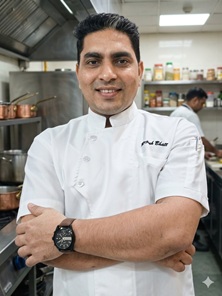
“Indian cuisine has enormous depth and diversity. We do not necessarily need to reinvent it; we need to understand it deeply and find thoughtful ways to present it to today’s diners,” says Chef Bhatt.
The future of Indian curry in global fine dining may therefore be less about reinventing traditional food and more about revealing its sophistication. By combining regional culinary knowledge with thoughtful modern techniques, chefs can present Indian gravies as refined, diverse and globally relevant while keeping their cultural identity firmly intact.