


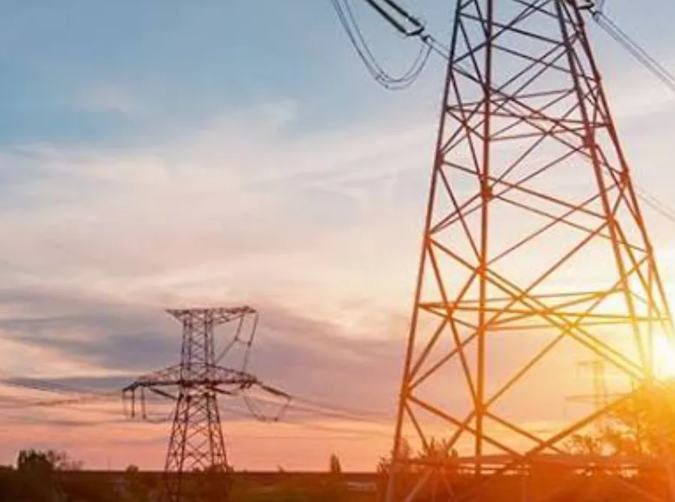
India’s aggressive expansion of its power transmission network to integrate renewable energy and meet rapidly rising electricity demand is set to create a new multi-year demand driver for aluminium, with consumption of the metal in electrical applications projected to rise sharply over the coming decades.
According to the Ministry of Mines Aluminium Vision Document, aluminium consumption in the electrical sector is expected to increase from around 2.4 million tonnes in FY24 to 4 million tonnes by FY30, before rising further to 12.9 million tonnes by FY47. The projections underline the growing importance of electricity infrastructure as a structural demand driver for the metal.
The opportunity is particularly significant for transmission and distribution, which already account for a substantial share of domestic aluminium consumption. Around 48% of aluminium consumed in India is used in the power transmission and distribution sector, reflecting the metal’s critical role in the country’s electricity network.
India’s expanding transmission requirements are likely to reinforce this demand. Under the National Electricity Plan, the country’s transmission network is planned to expand significantly by 2032, alongside investments running into several lakh crore rupees. The expansion is aimed at evacuating renewable power, strengthening inter regional connectivity and meeting demand from new industrial and economic centres.
The scale of this transmission investment cycle is substantial. The National Electricity Plan (2023–2032) envisages over ₹9.15 lakh crore of investment in transmission infrastructure, including more than 1.91 lakh circuit km of new transmission lines and around 1,270 GVA of transformation capacity. A key priority is building evacuation corridors for renewable energy, with transmission systems being planned to integrate more than 500 GW of non fossil capacity by 2030. These investments will also strengthen inter regional connectivity and enable power to move from renewable rich regions to emerging consumption centres.
The aluminium intensity of transmission infrastructure is significant. While actual consumption varies by voltage level, conductor design and whether a line uses single or bundled conductors, an indicative calculation can illustrate the opportunity. Every 10,000 circuit km of new transmission capacity could represent roughly 36,000 tonnes of aluminium in a 220 kV single-Zebra configuration, around 88,000 tonnes in a 400 kV twin-Moose configuration, or approximately 176,000 tonnes in a 765 kV four-bundle configuration.
The growth in transmission infrastructure has a direct impact on aluminium consumption because overhead transmission lines rely extensively on aluminium based conductors. When used in electrical cables, copper is heavier and more prone to sagging over long spans, while aluminium’s lighter weight enables longer spans with less sag, making it a compelling choice for power transmission and distribution. Aluminium also offers a combination of electrical conductivity, low weight and durability, making it particularly suited for transporting electricity over long distances. Electrical grade aluminium wire rods are an important input for manufacturing the cables and conductors used across the power network.
The demand opportunity is expected to extend beyond conventional grid expansion. India is increasingly developing renewable generation capacity away from major consumption centres, creating a need for evacuation infrastructure. At the same time, electricity demand is emerging from new areas such as manufacturing clusters, electric mobility, green hydrogen and data centres. Together, these trends are increasing the need for both generation and the transmission infrastructure required to move power efficiently.
For India’s aluminium industry, this could create a significant additional growth engine alongside traditional demand from construction, automobiles and consumer durables. The opportunity is also shifting the focus towards value added aluminium products, particularly those directly linked to electrical infrastructure.
Domestic producers with integrated aluminium and downstream capabilities are well positioned to benefit from this transition. Vedanta, one of India’s major aluminium producers, has around 2.4 million tonnes of installed aluminium capacity and manufactures a range of value-added products including wire rods, billets, ingots and rolled products. Vedanta Aluminium is also the world’s largest producer of wire rods, strengthening its position in the value chain supporting power transmission and distribution.
On Wed, Sep 9, 2026 at 11:59 AM Editor APNNEWS <editor@apnnews.com> wrote:
India’s ₹9.15 Lakh Crore Transmission Push Could Unlock a New Wave of Aluminium Demand
India’s aggressive expansion of its power transmission network to integrate renewable energy and meet rapidly rising electricity demand is set to create a new multi-year demand driver for aluminium, with consumption of the metal in electrical applications projected to rise sharply over the coming decades.
According to the Ministry of Mines Aluminium Vision Document, aluminium consumption in the electrical sector is expected to increase from around 2.4 million tonnes in FY24 to 4 million tonnes by FY30, before rising further to 12.9 million tonnes by FY47. The projections underline the growing importance of electricity infrastructure as a structural demand driver for the metal.
The opportunity is particularly significant for transmission and distribution, which already account for a substantial share of domestic aluminium consumption. Around 48% of aluminium consumed in India is used in the power transmission and distribution sector, reflecting the metal’s critical role in the country’s electricity network.
India’s expanding transmission requirements are likely to reinforce this demand. Under the National Electricity Plan, the country’s transmission network is planned to expand significantly by 2032, alongside investments running into several lakh crore rupees. The expansion is aimed at evacuating renewable power, strengthening inter regional connectivity and meeting demand from new industrial and economic centres.
The scale of this transmission investment cycle is substantial. The National Electricity Plan (2023–2032) envisages over ₹9.15 lakh crore of investment in transmission infrastructure, including more than 1.91 lakh circuit km of new transmission lines and around 1,270 GVA of transformation capacity. A key priority is building evacuation corridors for renewable energy, with transmission systems being planned to integrate more than 500 GW of non fossil capacity by 2030. These investments will also strengthen inter regional connectivity and enable power to move from renewable rich regions to emerging consumption centres.
The aluminium intensity of transmission infrastructure is significant. While actual consumption varies by voltage level, conductor design and whether a line uses single or bundled conductors, an indicative calculation can illustrate the opportunity. Every 10,000 circuit km of new transmission capacity could represent roughly 36,000 tonnes of aluminium in a 220 kV single-Zebra configuration, around 88,000 tonnes in a 400 kV twin-Moose configuration, or approximately 176,000 tonnes in a 765 kV four-bundle configuration.
The growth in transmission infrastructure has a direct impact on aluminium consumption because overhead transmission lines rely extensively on aluminium based conductors. When used in electrical cables, copper is heavier and more prone to sagging over long spans, while aluminium’s lighter weight enables longer spans with less sag, making it a compelling choice for power transmission and distribution. Aluminium also offers a combination of electrical conductivity, low weight and durability, making it particularly suited for transporting electricity over long distances. Electrical grade aluminium wire rods are an important input for manufacturing the cables and conductors used across the power network.
The demand opportunity is expected to extend beyond conventional grid expansion. India is increasingly developing renewable generation capacity away from major consumption centres, creating a need for evacuation infrastructure. At the same time, electricity demand is emerging from new areas such as manufacturing clusters, electric mobility, green hydrogen and data centres. Together, these trends are increasing the need for both generation and the transmission infrastructure required to move power efficiently.
For India’s aluminium industry, this could create a significant additional growth engine alongside traditional demand from construction, automobiles and consumer durables. The opportunity is also shifting the focus towards value added aluminium products, particularly those directly linked to electrical infrastructure.
Domestic producers with integrated aluminium and downstream capabilities are well positioned to benefit from this transition. Vedanta, one of India’s major aluminium producers, has around 2.4 million tonnes of installed aluminium capacity and manufactures a range of value-added products including wire rods, billets, ingots and rolled products. Vedanta Aluminium is also the world’s largest producer of wire rods, strengthening its position in the value chain supporting power transmission and distribution.