


By Geetha V P
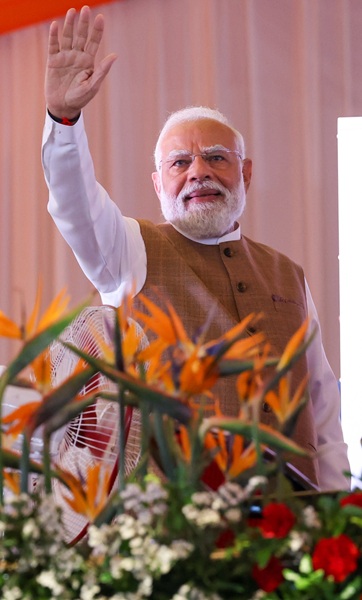
In a significant address amid escalating global energy uncertainties driven by the West Asia crisis, Prime Minister Narendra Modi recently urged citizens to adopt seven key measures to conserve resources and reduce import dependence. These include reducing fuel consumption through greater use of public transport and carpooling, reviving work-from-home practices where feasible, cutting edible oil use, postponing non-essential foreign travel, delaying gold purchases, and prioritizing local products to curb imports.
If implemented seriously across government, businesses, and households—whether voluntarily or through subsequent policy nudges—these steps represent a form of targeted austerity with broad cascading effects. The outcomes depend on the depth of adoption, the sectors involved, and the prevailing economic conditions, particularly India’s heavy reliance on imported crude oil and gold. While some impacts could bolster fiscal and external stability, others risk dampening demand in a consumption-driven economy. Many analysts view this appeal as an early signal of caution against potential economic pressures stemming from geopolitical disruptions.
Austerity signals from the top often translate into tighter government spending, including delayed projects, hiring freezes, and scrutiny of welfare schemes. In the current context, Modi’s appeal aligns with efforts to ease pressure on foreign exchange reserves and the current account. Reduced public spending and borrowing could improve the fiscal deficit and sovereign ratings outlook, potentially strengthening the rupee and bond markets. However, sectors heavily reliant on government contracts—such as construction, infrastructure, and public services—may experience slowdowns. If capital expenditure is curtailed alongside citizen-level restraint, the ripple could extend to weaker demand, lower production, and subdued hiring, particularly affecting MSMEs.
The Need for Leading by Example
For any nationwide austerity appeal to gain widespread acceptance, many experts and observers emphasise the importance of visible fiscal discipline starting from the highest levels of government. India’s public expenditure is projected to exceed ₹50 lakh crore in FY 2025-26. While the government has consistently highlighted its focus on development spending, Comptroller and Auditor General (CAG) reports have repeatedly drawn attention to areas of inefficiency and unutilised funds.
In its latest audit of Union Government accounts for FY 2024-25, the CAG flagged 33,973 outstanding utilisation certificates worth ₹54,282.32 crore across 15 ministries and departments. Major shares were from the Ministry of Housing and Urban Affairs (₹18,273 crore) and the Department of Higher Education (₹14,360 crore). The report also noted ₹12,754 crore in misclassified funds.
CAG audits have also pointed to inefficiencies in defence procurement, including cost overruns and delays in project execution. Additionally, expenditure on VIP/VVIP security remains significant. Delhi Police spent ₹723.83 crore on salaries for VIP protection personnel in 2023-24, while the Special Protection Group (SPG) budget for 2026-27 is approximately ₹500 crore. Nationwide costs for high-level security and related infrastructure run into several thousand crores annually.
Experts suggest that rationalising non-essential government expenditure, improving utilisation of funds, and demonstrating efficiency at the administrative level could strengthen public confidence in the austerity measures. Greater transparency and visible reforms in areas highlighted by the CAG would help reinforce the message of collective sacrifice.
India’s GDP is significantly driven by private consumption. Modi’s suggestions collectively target discretionary spending. Lower petrol and diesel demand through public transport, carpooling, and work-from-home would directly reduce import bills. This could ease current account pressures, mitigate rupee depreciation risks, and soften inflation, giving the RBI more room to manage monetary policy. As one of the world’s largest gold importers, with imports reaching a record USD 71.98 billion in FY 2025-26, a pause on non-essential buys, including for weddings, would curb forex outflows. Yet this risks stressing the jewellery industry, small goldsmith ecosystems, and wedding-season trade. Postponing overseas trips and reducing edible oil use would further compress imports, benefiting domestic alternatives but hitting airlines, tourism, and related hospitality sectors. India’s crude oil imports stood at around 242 million tonnes in FY25, with the import bill for crude and petroleum products around USD 161 billion.
Sectoral Economic Impact
The tourism and hospitality sector, which contributes nearly 6.6% to GDP and supports over 46.5 million jobs, faces significant headwinds. Reduced discretionary travel, lower foreign tourism inflows, and postponed international trips could slow aviation and hotel occupancy. With Aviation Turbine Fuel forming 35-60% of airline costs, demand compression may lead to job losses in aviation, hotels, restaurants, and allied services.
Manufacturing presents a mixed picture. Contributing 13-17% to GDP and employing around 70-75 million people directly, the sector may see weakness in auto, consumer durables, and retail-linked segments due to lower discretionary demand. However, the emphasis on local products and import substitution could boost domestic manufacturing, especially in electric vehicles, renewable energy equipment, and energy-efficient appliances.
Agriculture and allied activities, accounting for 15-18% of GDP and employing nearly 290 million people, are expected to experience limited direct negative impact. Reduced edible oil imports may support domestic oilseed farmers and help stabilize prices.
The health and education sectors are likely to show mixed outcomes. While essential public spending may be protected, household belt-tightening could affect private and discretionary spending in these areas. Digital and remote learning platforms, however, may benefit from work-from-home trends.
Other urban-oriented sectors such as retail, FMCG, real estate, and malls could witness softer demand in discretionary segments. In contrast, public transport, EVs, local brands, and energy efficiency solutions stand to gain.
Employment effects would likely be indirect but widespread across India’s workforce of over 600 million. Slowdowns in urban discretionary sectors could pressure jobs, especially among youth and MSMEs, while Tier-2 and Tier-3 cities might see some benefits from increased local spending.
The psychological impact may be the most significant. A Prime Ministerial appeal for collective restraint can influence consumer confidence and market sentiment, potentially leading to higher precautionary saving in the short term.
The effectiveness of these measures will ultimately depend on their execution. If focused on reducing waste and non-essential imports while protecting critical investments in health, education, and infrastructure, they could improve long-term fiscal resilience. However, overly broad cuts risk weakening demand and slowing growth. In essence, the appeal signals a shift toward a more cautious, defensive economic posture amid external uncertainties.
Prime Minister Modi’s seven measures represent a call for behavioural change to safeguard national interests. If widely embraced, they could help ease external vulnerabilities. However, their success will depend on careful calibration to balance short-term conservation with long-term economic momentum. Whether this initiative proves to be timely prudence or reflects deeper challenges remains to be seen.