


From Our foreign Correspondent
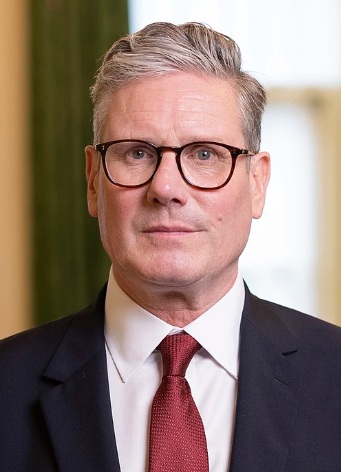
London: Keir Starmer, Britain’s steadfast Prime Minister, finds himself ensnared in a scandal that bears the toxic name of Jeffrey Epstein. As far as anyone knows, Starmer never met the disgraced sexual offender and contentious financier. Starmer never boarded a plane to Little St. James, Epstein’s infamous island playground. No raunchy emails, no whispered conversations in Manhattan townhouses. Yet, in the febrile atmosphere of February 2026, the mere ripple from newly unsealed Epstein documents threatens to drown his premiership.
The storm centers on one man: Peter Mandelson, the enigmatic Labour veteran often called the “Prince of Darkness” for his masterful, shadowy political maneuvering. Starmer, seeking to bolster transatlantic ties after Labour’s 2024 landslide, appointed Mandelson as Britain’s ambassador to the United States—a plum role for a party elder. Mandelson had long admitted to a social acquaintance with Epstein, but insisted it was fleeting, innocent, ended well before the financier’s 2008 conviction for procuring a minor for prostitution.
But the latest tranche of Epstein files—millions of pages released by the U.S. Department of Justice—painted a far darker picture. Emails and records revealed Mandelson maintained a warm friendship with Epstein long after that conviction, even sharing market-sensitive government information during the 2008 financial crisis when Mandelson served as Business Secretary. One particularly damning exchange showed Mandelson confiding in Epstein about confidential matters, blurring the lines between personal ties and public duty.
Starmer acted swiftly when the revelations broke last September: he sacked Mandelson from the ambassadorship. Yet critics pounced—why appoint him in the first place, knowing the Epstein links? Starmer’s defense: Mandelson had downplayed the relationship, assuring vetting officials it was negligible. “I believed his lies,” Starmer admitted in a rare moment of contrition, apologizing directly to Epstein’s victims for the misjudgment.
The fallout escalated rapidly. Morgan McSweeney, Starmer’s chief of staff and architect of his election victory, resigned, acknowledging the appointment was a grave error. The communications director followed suit. Then came the body blows from within: Anas Sarwar, leader of Scottish Labour, publicly called for Starmer to step down, warning the scandal eroded trust in the party. Even allies whispered of poor judgment, with opposition figures like Nigel Farage gleefully predicting the government’s collapse.
In press conferences, Starmer stood defiant. “I will not walk away,” he declared, vowing to release full documentation of Mandelson’s vetting process to prove no cover-up. He promised transparency, urging focus on his government’s agenda amid the chaos. Supporters rallied, closing ranks and praising his decency in a cutthroat political world.
Yet the Epstein shadow lingers. In an era where association is guilt by proximity, Starmer’s indirect link—through loyalty to a flawed ally—has become his most perilous vulnerability. Mandelson, now exiled from the Labour Party and the House of Lords, embodies the old guard’s entanglements. For Starmer, the “human rights lawyer turned reformer,” the crisis tests whether clean hands can survive the stains of proximity.
As Parliament buzzes with recriminations and the public digests the files, one truth emerges: Epstein’s web, even in death, continues to ensnare the powerful. Starmer may yet weather this storm, but the episode serves as a stark reminder—in politics, the company you keep can be your undoing.