


By Suresh Unnithan
Kerala, the Gods Own Country, has in the past won many laurels for its unique achievement in health care. The state has excelled even the global standards for multiple healthcare factors. For instance, as of July 2024 Kerala’s doctor-patient ratio is approximately 1:509, (based on 73,069 registered allopathic doctors and an estimated population of 3.72 crore), much ahead of the World Health Organization (WHO) recommended ratio of 1:1,000 (the doctor-patient ratio is 1:5,670 in the public sector). If the Ayush physicians are also taken into account the state’s doctor density is at 42 per 10,000 populations (or 1:238). According to a projection by 2029, Kerala could reach a ratio of 1:200. For the fiscal year 2024-25, during the current Fiscal Kerala allocated 5.5% of its total expenditure to health, as per the PRS Legislative Research analysis, which is about four times of the Union Government’s budget allocation (approximately 1.98% of the total Union Budget on health).
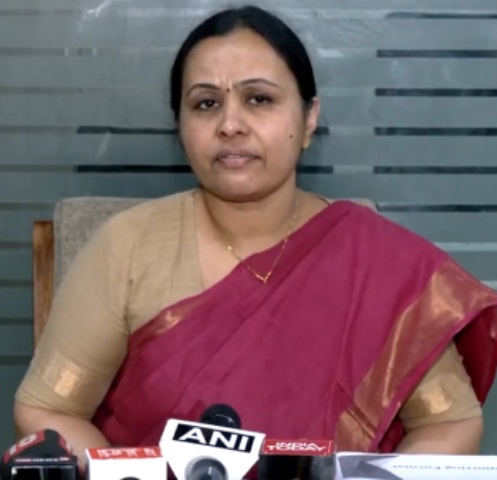
However, Doctor Haris Chirackal’s revelations on equipment shortages at Thiruvananthapuram Medical College followed by the tragic building collapse at Kottayam Government Medical College Hospital on July 3, 2025, that claimed the life of a 56-year-old woman has exposed the systemic failures of Kerala’s public healthcare system, once a national benchmark. The incidents have sparked a public debate both on the efficacy of the state healthcare administration, headed by the minister (Veena George).
It’s pitiable, despite topping NITI Aayog’s Health Index for four consecutive years (2017-2020) with the nation’s highest life expectancy (75 years) and lowest infant mortality rate (7 per 1,000), the state’s health system is straining under medicine shortages, dilapidated facilities, and a critical lack of nursing staff. (According to available statistics, at least 400 Staff Nurse Posts were announced in 2024 under the Aardram scheme, with broader notifications indicating up to 5,398 vacancies across Kerala’s health-related institutions in 2025. The exact number specific to the Kerala Government Health Department (DHS and DME) is likely in the range of 400–1,200 based on recent and past recruitment drives.)
The Building collapse at Kottayam Government Medical College Hospital, early this month that resulted in the tragic death of an old lady, is a pointer to the pathetic plight of the infrastructure. Many of our Government Medical Colleges hospital buildings have crossed half century- Thiruvananthapuram: 2025 – 1951 = 74 years, 2 Kozhikode: 2025 – 1957 = 68 years, 3.Kottayam: 2025 – 1962 = 63 years, 4 Alappuzha: 2025 – 1963 = 62 years, 5.Thrissur: 2025 – 1981 = 44 years. The Kottayam collapse underscores the risks of aging infrastructure if not regularly maintained. Kerala Building Rules (2025) mandate safety standards and require permits for renovations, implying that any major upgrades would need to comply with these regulations. It should also be noted, the outdated infrastructure could lack the capacity to support modern medical equipment.
The most critical issue is; the government hospitals across the state face critical shortages of medicines and medical equipment, leaving patients and doctors in distress. Recent reports, including a whistleblowing post by Dr. Haris Chirackal, highlight postponed surgeries due to equipment shortages and depleted drug stocks, sparking public outcry.
A July 2025 report indicates that Kerala’s Department of Health requires ₹1,014.92 crore for medicine procurement in government hospitals and medical colleges for the 2025-26 financial year. However, only ₹356.4 crore was allocated in the 2025-26 budget, with an additional ₹150 crore later authorized. As of January 2025, the Kerala Medical Services Corporation (KMSCL) owes ₹693.76 crore in arrears to pharmaceutical companies, leading some companies to halt supplies, worsening medicine shortages.
Critics at large point fingers at the incumbent minister in command of the department, Veena George. Her incompetency and insensitivity are cited as the prime reasons for the present plight of the healthcare system in Kerala. According to a senior journalist who has been covering the health sector for over three decades “the incompetent f the minister is largely responsible for failures (of the system). She is incapable of handling such a sensitive ministry which is directly connected to the public. Several incidents and statements are there to demonstrate her incapacity to respond to sensitive situations.”
Commenting on the performance of the minister, a senior medical professional commented, “Veena should know that she has succeeded K.K. Shailaja, who was widely praised for her handling of the Nipah and COVID-19 crises. Sorry to note, this minister (Veena) is not any match to her predecessor.”
However, there is a silver lining visible. The State and the party in power give prime priority to public healthcare and that is visible from its budget details. Kerala’s per capita health expenditure at ₹2,856–₹2,896 for 2024-25, with a total health sector allocation of ₹10,138 crore (5.5% of the state’s ₹1,84,327 crore budget).
The healthcare system in Kerala remains a paradox of remarkable achievements and persistent challenges. Despite many operational hurdles, Kerala’s public healthcare system is gaining trust. But, the Administration should essentially prioritize preventive care, address staffing shortages, streamline medical supply, maintain infrastructure, and reduce financial burdens to sustain its reputation as a healthcare ideal.