


From Our Legal Correspondent
A quiet but determined revolt is unfolding across India’s top law schools. Students and alumni of the National Law School of India University (NLSIU) in Bengaluru have issued a sharply worded statement of “unconditional solidarity” with their counterparts at NALSAR University of Law, Hyderabad, rejecting what they see as an autocratic attempt by the Bar Council of India to police dissent. In doing so, they have also opposed the presence of Chief Justice of India Surya Kant and BCI Chairman Manan Kumar Mishra at their own upcoming convocation.
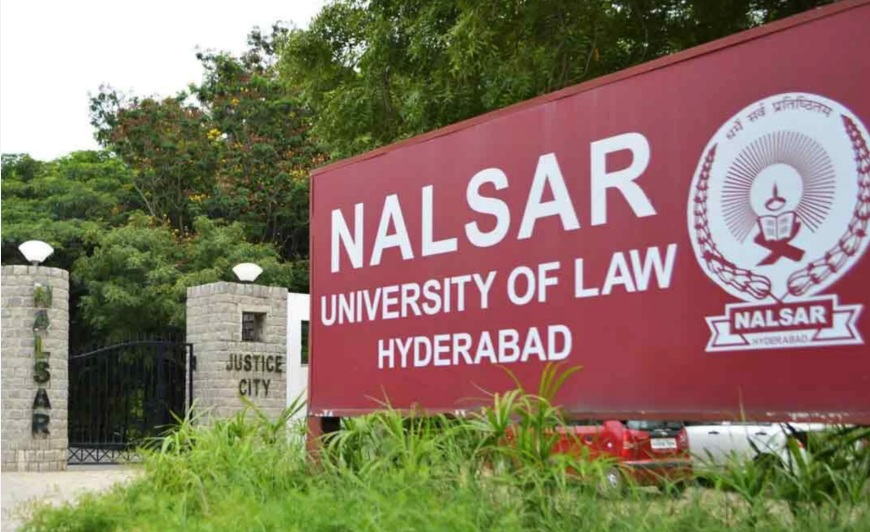
The immediate trigger was a short-lived order issued on August 13. After a section of NALSAR students objected to the invitation of Chief Justice Surya Kant as chief guest—citing his reported remarks during a Supreme Court hearing on alleged police excesses at the Jantar Mantar protests—the BCI directed state bar councils not to enrol any member of NALSAR’s 2026 graduating batch as advocates until further orders. The directive suggested that students who displayed “no regard or respect” for the highest judicial office were unfit to become responsible advocates. Within hours, following intense public criticism, the order was withdrawn. Proceedings were later closed, and Chairman Mishra issued an apology, stating that the dignity and independence of thought of law students must be respected.
For the NLSIU community, the withdrawal was not enough. On August 15, 165 graduating students of the Class of 2026, joined by 409 current students and 128 alumni, released a formal statement. They acknowledged that the BCI had closed the matter but insisted the damage had already been done. “The fact that such unconstitutional and illegal ‘proceedings’ can be initiated by a statutory body against students and faculty members of a public university in the first place does not alter the nature or the larger impact of such actions,” they wrote.
The statement goes beyond protest. It frames the episode as a test of whether students at India’s leading law schools can disagree with powerful institutions without risking their professional futures. A university convocation, the signatories noted, is a landmark moment for students and their families in a country where access to higher education remains constrained by deep social barriers. “Inviting persons in high office to confer degrees on students toward whom they have publicly expressed disdain and condescension is offensive, humiliating, and a mockery of students and their struggles,” they said.
They described the BCI’s demand that NALSAR identify the students and faculty behind the representation as “nothing less than a witch-hunt” and a direct assault on the right to free speech under Article 19(1)(a). Drawing on the words of Rabindranath Tagore that greet them every day—“Where the Mind is Without Fear”—they argued that law universities must remain spaces where conscience and constitutional values can be exercised without fear.
Their demands are clear: an unconditional apology from the BCI to the NALSAR community; an explanation of the protocol that allowed the Chairman to use the official letterhead for such a directive; and a firm rejection of both Mishra and the Chief Justice attending the NLSIU convocation without accountability.
The legal foundation of the original order has also come under scrutiny. Under the Advocates Act, 1961, the power to enrol advocates rests primarily with State Bar Councils. The BCI’s role is supervisory and regulatory—setting professional standards, overseeing legal education, and recognising universities—but it does not extend to imposing a blanket freeze on an entire graduating class of a recognised institution for expressive activity. The rapid reversal by the Council itself has only strengthened questions about the limits of unilateral authority.
What began as a dispute over a guest list has become something larger. By linking solidarity with NALSAR to a clear rejection of institutional overreach, NLSIU students have signalled that the next generation of lawyers will not accept a legal profession in which dissent is treated as disqualification. Their agitation is not merely reactive. It is a defence of the idea that the future of justice in India must rest on free speech, accountability, and the courage to speak truth to power.