


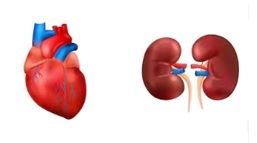
As we pass the age of 50, our bodies experience natural physiological shifts. Metabolism slows, immune function declines, and the risk of hypertension, cardiovascular disease, and other chronic conditions increases. At this stage, dietary choices—particularly sodium intake—have a more pronounced effect on long-term health.
The body needs a small amount of sodium to maintain fluid balance, support nerve transmission, and enable muscle function. However, excessive consumption is strongly associated with elevated blood pressure. High blood pressure forces the heart to work harder against stiffened arteries and increases strain on the kidneys, which must filter excess sodium and fluid. Over time, this can lead to fluid retention, edema, and progressive kidney damage.
Evidence-Based Recommendations
The American Heart Association recommends no more than 2,300 mg of sodium per day for most adults, with an ideal target of no more than 1,500 mg—especially for people over 50, those with high blood pressure, or at risk of heart and kidney issues.
Practical Steps to Reduce Sodium
· Read nutrition labels and choose “low-sodium” or “no salt added” products.
· Cook fresh meals at home using herbs, spices, garlic, lemon, and vinegar instead of salt.
· Limit processed and restaurant foods, which account for most dietary sodium.
· Rinse canned beans and vegetables before use.
· Boost potassium-rich foods (such as bananas, leafy greens, and potatoes) to help counter sodium’s effects.
Reducing sodium by even 1,000 mg daily can meaningfully lower blood pressure and support heart, kidney, and overall metabolic health. Combined with regular physical activity, adequate hydration, and a balanced diet rich in fruits and vegetables, these changes offer powerful protection against age-related risks.
Consult your doctor before making significant dietary changes, especially if you have existing health conditions or take medications. Small, sustainable adjustments can lead to better vitality and reduced disease risk in the years ahead.