


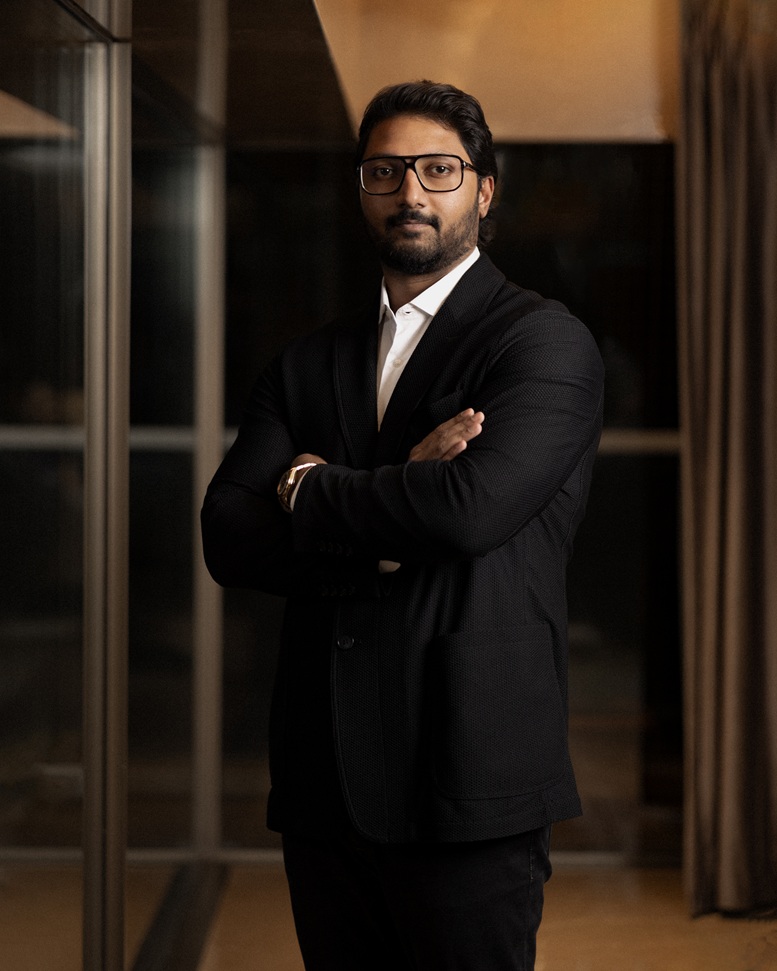
By Suhan Shetty, Founder, Rubics Group
Mumbai as a city has always reinvented itself under pressure. Defined by the surrounding sea, and thick density, real estate in the financial capital has always oscillated between expansion and reinvention. However, today that balance has somehow shifted. With paucity of land becoming a huge concern, redevelopment, and not land banking, is emerging as Mumbai’s next luxury trend.
For decades, land banks were thought of as a salient real estate strategy. Developers acquired undeveloped plots, then held on to them for years before unlocking their value. However, in a market of 438 square kilometres is already land constrained and built-up, this model no longer is viable, or practical. Factors like high acquisition costs, scarce land, fragmented ownership patterns, and regulatory complexities has made greenfield development increasingly difficult.
Redevelopment in comparison, offers a much more pragmatic solution. It helps developers to unlock value from existing sites, without acquiring the otherwise scarce fresh land. In other words, redevelopment can be known as a form of strategic “land banking”, making use of the city’s already urbanised infrastructure. With Mumbai’s population exceeding 21 million, redevelopment is no longer an optional solution, rather is an essential step to transform the city.
Since 2020, more than 910 housing societies have undergone redevelopment, accounting for 327 acres of land. However, the effect of this goes far beyond numbers; this unveils a new reimagining of urban living. Old, low-rise and dilapidated buildings, are now being converted to vertical structures, replete with modern infrastructure, smart technologies, and sustainable features such as solar energy systems and EV-ready facilities.
Mumbai’s vertical transformation is also reshaping the city’s economic growth. Property values have been steadily appreciating, with projections suggesting that redevelopment could generate revenue worth Rs 1.3 lakh crores by 2030. For both homebuyers and investors, this presents a golden opportunity to buy premium properties at affordable rates, before prices escalate further.
What marks this phase even more crucial, is the quality of development. Redevelopment projects are not mere replacements for old buildings, they are in fact, comprehensive urban upgrades; these societies serve as integrated neighbourhoods with metro connectivity, wellness-focused amenities, and green design principles. Features like infinity pools, private cinemas, spa facilities, and landscaped sky gardens are no longer limited to South Mumbai-they are a key aspect of suburban living.
This shift is clearly reflected in market trends. Luxury properties (defined as properties above 10 crores), have seen unprecedented growth. In the first half of 2025 alone, sale from such properties touched a staggering Rs 14,750 crore, marking an 11 per cent year-on-year increase. Interestingly, the Rs 20–40 crore segment has expanded by 138 percent since 2022. The consensus is quite clear-the dominance of the primary market, which accounts for 75 per cent of these transactions, reveals a marked shift to new, redeveloped led projects, rather than resale inventory.
The key examples of this transformation include micro-markets such as Bandra, Khar, Santacruz, Juhu, Chembur, Goregaon and Borivali, where both standalone and cluster redevelopment projects are upgrading old neighbourhoods. These projects are not just improving housing stock, they are elevating the standard of living by improving infrastructure, optimising land use, and integrating communities.
A crucial push for this shift comes from Policy control. The Development Control and Promotion Regulations (DCPR) 2034 have introduced major provisions that incentivise redevelopment. Clauses such as 33(7), 33(9), and 33(10) set down clear frameworks that are tailored to different scales of projects-from individual societies to large cluster developments. Standalone redevelopment under Clause 33(7) offers increased floor space index (FSI), and additional saleable area, while cluster redevelopment under Clause 33(9), enables FSI of over 4.0 in select areas, helping the creation of master-planned precincts.
This apart, recent policy relaxations, such as including reduced premiums and an additional 10 per cent FSI for self-redevelopment, have further accelerated the viability of such developers. These factors have attracted developers to the suburbs, where land scarcity augments the value of every square foot.
Another important factor is that redevelopment is unravelling alongside major infrastructure upgrades. The opening of the Navi Mumbai International Airport, the completion of the Mumbai–Pune Expressway missing link, the Sewri–Worli corridor, and the Panvel–Karjat rail line have massively improved connectivity across the metropolitan region. This in turn, reduces congestion in central areas and improves the appeal of suburban micro-markets, where redevelopment activity is most intense.
This robust growth cycle is a combination of infrastructure, policy reform, and market demand. This apart, hybrid work patterns, and an increased focus on wellness and sustainability, is driving many to invest in high quality homes, a dream made possible through redevelopment. The future of Mumbai’s real estate market will no longer be defined by acquisition of new land, but by the thoughtful use of existing spaces. With redevelopment, the city is poised to grow vertically, while improving liveability, sustainability, and economic value.
As policymakers streamline approvals and developers redefine their inventory, redevelopment will be an intrinsic part of Mumbai’s real estate narrative, with buyers gaining early access to premium properties before price hikes. For Mumbai, this shift is carving a path to sustainable growth where land is no longer available, but the possibilities to upgrade living, are limitless. Hence, it will be prudent to say that Mumbai’s new luxury wave will not be propelled from the edges, but from the within the core of the city.