


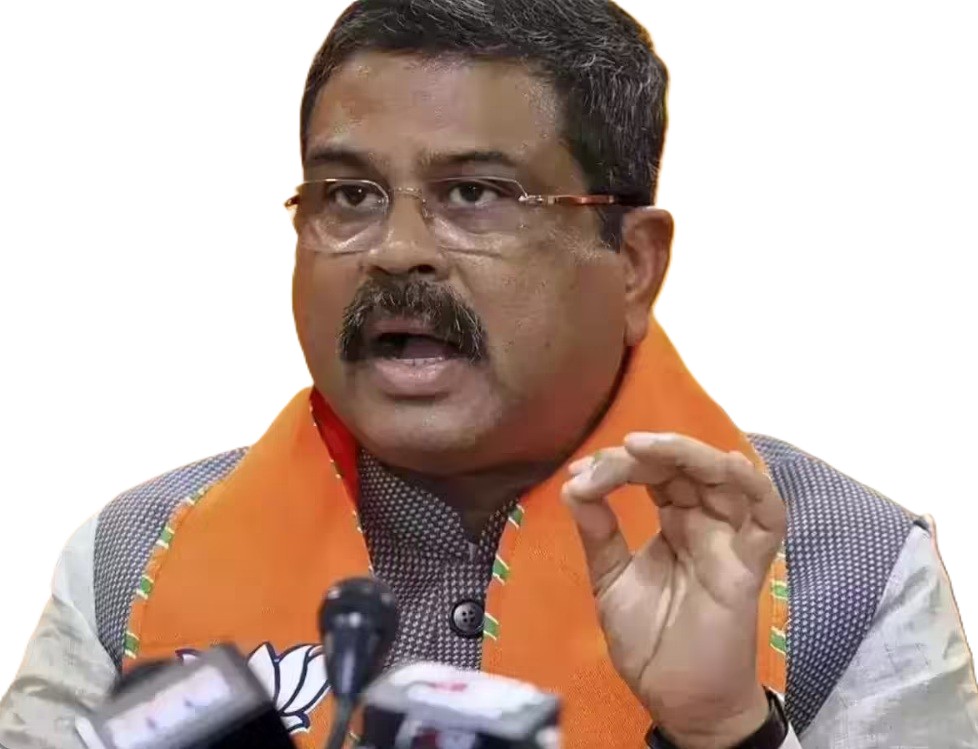
New Delhi: Protests over the NEET-UG 2026 paper leak scandal have escalated dramatically across India, with opposition-backed student groups intensifying calls for the resignation of Union Education Minister Dharmendra Pradhan. What began as outrage over alleged irregularities has morphed into a nationwide movement highlighting deep flaws in India’s competitive examination system.
The National Testing Agency (NTA) conducted the NEET-UG exam on May 3, 2026, for over 22 lakh aspirants vying for undergraduate medical seats. However, within days, serious allegations emerged of a “guess paper” circulating widely that closely mirrored the actual question paper. Facing mounting pressure, the NTA cancelled the examination on May 12 and ordered a CBI investigation into the leak. A re-test has been scheduled for June 21, but many students remain anxious about the process and its fairness.
Student organisations, particularly the Congress-affiliated National Students’ Union of India (NSUI) and Indian Youth Congress (IYC), have spearheaded the protests. Torch rallies, marches, and sit-ins have been organised in major cities including Delhi, Pune, Bhubaneswar, Hyderabad, Guwahati, and Jaipur. Protesters have targeted Pradhan’s residence and the Education Ministry at Shastri Bhawan, chanting slogans like “Doctor degree on sale” and accusing the system of betraying meritorious students.
In Pune, IYC National President Uday Bhanu Chib led demonstrations, calling Pradhan a “traitor” for allegedly compromising the future of India’s youth. NSUI activists in Bhubaneswar staged a torch march to Pradhan’s residence, holding him responsible for student suicides linked to the stress. Rahul Gandhi has strongly backed the movement, declaring that Congress “will not rest till Dharmendra Pradhan resigns” and a foolproof system is established.
The core demands include Pradhan’s immediate resignation, dissolution or major overhaul of the NTA, strict punishment for those involved in the leak, compensation for affected students, and systemic reforms to restore trust. The controversy has also united a fragmented opposition, providing a common platform ahead of the Monsoon Session of Parliament.
Pradhan has acknowledged the “unfortunate breach” and taken “full responsibility” for the mental anguish caused to students. He has promised a secure re-test on June 21 and announced that NEET-UG will shift to Computer-Based Test (CBT) mode from 2027 to minimise risks associated with OMR sheets. The minister described the issue as part of a larger battle against “examination mafias.”
Despite these assurances, trust remains severely eroded. Reports of student suicides have added emotional intensity to the protests. As the re-test date nears, tensions are expected to rise further, with students and political groups demanding concrete action beyond announcements. The NEET saga has once again exposed vulnerabilities in India’s high-stakes examination ecosystem, raising questions about fairness, transparency, and the dreams of millions of young aspirants.