


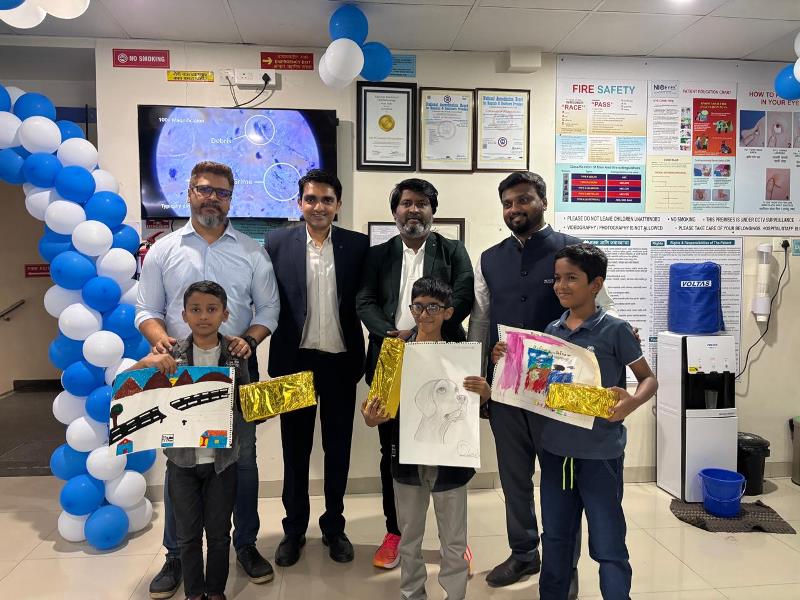
Pune: National Institute of Ophthalmology (NIO), one of the leading super-specialty eye care hospitals in India, recently expanded its services and facilities in Pune. The reputed institute has launched 2 new clinics and has integrated surgical simulation equipment in order to reach more patients and upgrade its services for them.
Speaking on the expansion, Dr. Aditya Kelkar, Director, NIO Super Specialty Hospital, said, “In the past 3 decades, our organization has been at the forefront of the revolution being brought within the ophthalmology sector. We have always strived to integrate new technology and accelerate the progress being made in the research and development within the sector. Therefore, this expansion of our services and facilities is in line with our goal to provide our patients with access to the best in eye healthcare solutions. We are confident that we will be able to help several communities across the city and beyond address any health issues that might arise in the future.“
As part of its expansion, NIO has launched a new vision centre at Balewadiphata, Baner. This centre will make it a more accessible point for patients in or around Baner who need consultations, diagnosis and preliminary eye care services. As part of the launch for this vision centre, the organization is conducting a free eye checkup for all visiting patients this month. Apart from this, the organization has also launched a specialized myopia clinic within its Aundh hospital. With rising demand for treatment of myopia or nearsightedness amongst children. The clinic will be focusing on early detection and diagnosis of children who have myopia.
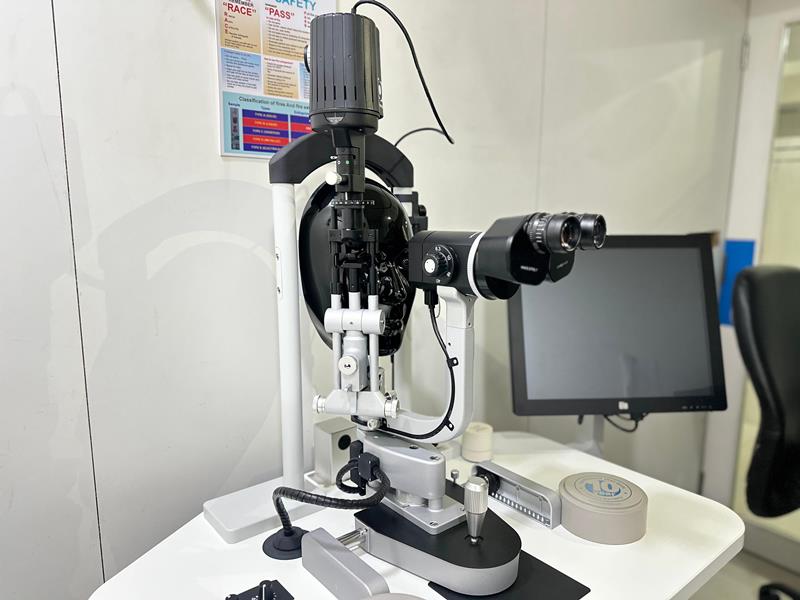
Besides this, the organization has recently upgraded its facilities in its Shivaji Nagar hospital with the installment of an Advanced Clinical Simulation Equipment. The new equipment has been integrated for the training of their resident doctors and Post Graduate fellows. This state-of-the-art equipment will be utilized in teaching resident doctors on how to diagnose patients when they come to their clinics. “The equipment initially gives a random case situation which the students or the doctors have to diagnose. This is an efficient way of practicing and learning rather than diagnosing real patients which can be very time consuming,” Dr. Kelkar added.
These developments showcase the hospital’s dedicated efforts for better training for its students and how they can incorporate cutting-edge technology. The organization is also looking to further enhance its services and facilities in order to help its patients access world-class healthcare treatments at NIO.