


By Nanditha S
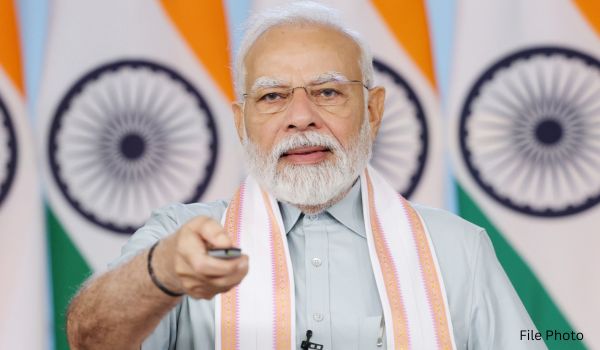
A late-night Instagram reel by the Prime Minister soared past 303 million views and was immediately declared a masterstroke of digital leadership. The numbers were historic, the graphics triumphant, and the official cheer squad moved with practised speed to frame the moment as proof of unbreakable youth connection. There was only one small inconvenience: the students themselves appeared not to have received the memo.
The video addressed the paper-leak crisis in competitive examinations, arriving at a time when student protests had already made the issue impossible to ignore. In the reel, the Prime Minister acknowledged the pain caused to young people and their families and spoke of stronger measures on the way. The format was intimate, the tone carefully calibrated, the platform chosen for maximum reach among the very generation most affected. What followed in the comment section, however, suggested that many students were less interested in the lighting and more interested in the substance.
Rather than the wave of gratitude the celebration assumed, the dominant student response was pointed, sceptical, and often sharply critical. Comments questioned the gap between assurance and delivery, the persistence of institutional failure, and the wisdom of treating a selfie-style address as meaningful redress. The reel had succeeded in gathering an enormous audience. It had been far less successful in persuading that audience. Students had watched in record numbers — and a conspicuous number of them remained unimpressed.
This is the awkward detail the victory narrative prefers to glide past. View counts measure how many people saw the message. Sentiment measures what they made of it. In this case, the two told conflicting stories. While supportive voices treated the numbers as conclusive evidence of success, large sections of the student audience used the same platform to register the opposite conclusion. They had been reached. They had not been won over. The louder the applause from the usual quarters, the more conspicuous the silence — and the criticism — from the intended beneficiaries became.
There is a particular political irony in attempting to manage student anger through a format that prioritises personal accessibility over institutional accountability. A direct video can create the appearance of attentiveness. It can also sharpen the sense that serious grievances are being met with performance. Students whose academic futures have already been disrupted are rarely in the mood to confuse a well-timed reel with resolution. When the medium of reassurance becomes another site for the expression of accumulated frustration, the strategy begins to work against itself.
No comment section represents an entire generation, and public opinion is never uniform. Patterns, however, are difficult to ignore. When a communication exercise designed to calm instead becomes a focal point for continued discontent, it reveals more about the depth of the problem than about the skill of the messenger. Reach can guarantee attention. It cannot manufacture consent.In the end, the reel achieved one undeniable result: it drew extraordinary numbers. What it failed to achieve was the shift in student sentiment its celebrants so eagerly announced. The gap between the record-breaking views and the critical reaction from young viewers remains the most revealing part of the episode — and the one the triumphant coverage seems least eager to examine.