


By Geetha V P
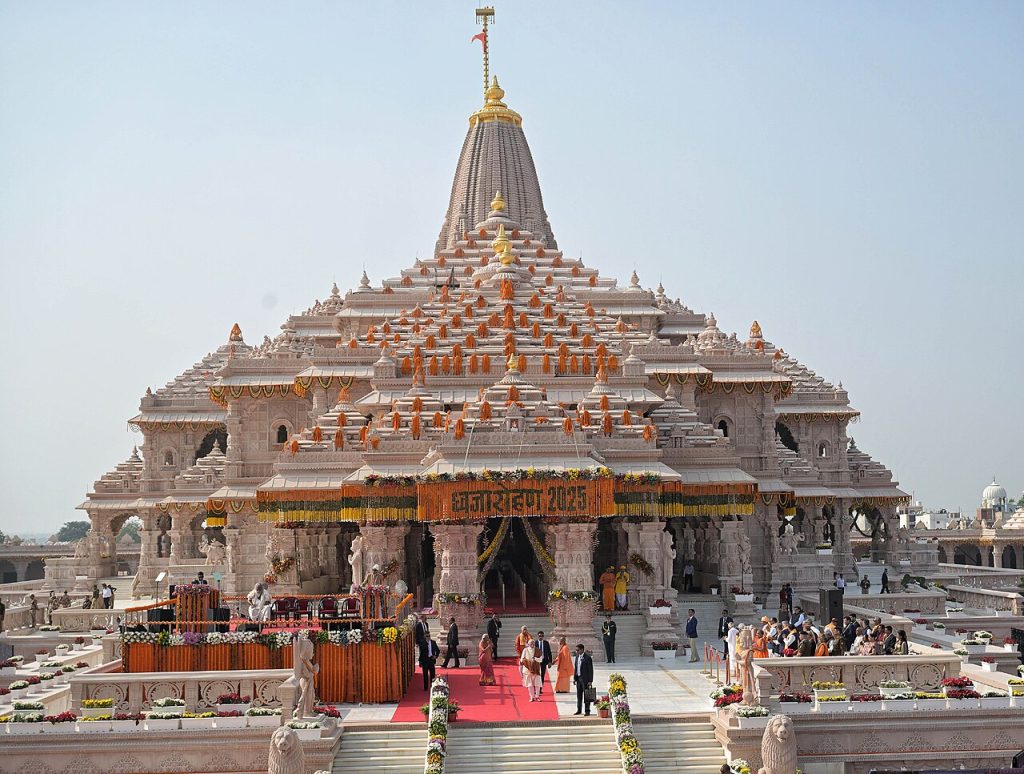
The Ayodhya Ram Mandir donation scandal represents a deep betrayal of the millions of devotees who funded, marched, and voted for what they believed was a sacred cause. For decades, the Sangh Parivar and BJP positioned themselves as the sole protectors of Hindu dharma and the only force capable of building and safeguarding the Ram Mandir. Today, that very temple stands at the centre of allegations that devotee offerings were systematically siphoned off from within.
Eight employees of the Shri Ram Janmabhoomi Teerth Kshetra Trust have been arrested for allegedly embezzling donations from over 35 hundi boxes. Nearly ₹80 lakh has been recovered so far. The accused, who were responsible for counting cash and valuables, allegedly covered CCTV cameras, stole bundles of notes during the counting process, hid the cash in temple washrooms, and later smuggled it out. One accused had nearly ₹10 lakh recovered from his residence. The SIT probe, ordered by the Uttar Pradesh government, has exposed serious SOP violations in donation handling and is now examining bank records and the full extent of the missing funds.
The scandal has directly implicated senior figures. Former Trust General Secretary Champat Rai Bansal, a key RSS-linked leader in the Mandir movement, was questioned by the SIT for over three hours. He reportedly admitted that he became aware of irregularities by the end of May and started an internal inquiry, but conceded that failing to immediately register an FIR was a mistake. Both he and trustee Anil Mishra have since resigned on moral grounds. Several of the arrested employees were reportedly close to Champat Rai.
What makes the episode particularly damaging is the reaction among the Parivar’s own supporters. A C-Voter survey found that over 66% of NDA supporters consider the allegations serious, while more than 53% admit their trust has been compromised. Close to 44% believe the controversy could damage perceptions of the Uttar Pradesh government. Even among core voters who previously dismissed criticism of the Sangh as anti-Hindu, there is growing acknowledgement that the faith and financial contributions of ordinary bhakts have been violated from within the institution they trusted most.
The response from the top has been telling. While arrests have taken place and Champat Rai has faced questioning, the national leadership of the BJP and RSS has maintained a largely defensive posture. There has been no strong push for a fully independent or Supreme Court-monitored probe that would spare no one, regardless of seniority or ideological proximity. The focus appears to be on damage control rather than complete transparency.
For years, the Sangh Parivar built its political and moral authority by claiming to be different from other political forces — ascetic, incorruptible, and committed to protecting Hindu institutions. The Ram Mandir movement was presented as a civilisational project rooted in sacrifice and purity, not political or financial gain. The current allegations strike at the heart of that claim. The same ecosystem that long accused others of misusing religious institutions now faces serious questions about its own handling of devotee offerings at the temple it built and controls.
The arrests under a BJP government and the internal admissions by Champat Rai make it difficult to dismiss the issue as a political conspiracy. The real test lies in whether the ecosystem will allow a fearless investigation that goes beyond junior employees and examines accountability at the highest levels of the trust. Until that happens, the credibility crisis triggered by the Ram Mandir donation loot will continue to grow — even among those who once formed its strongest base.