


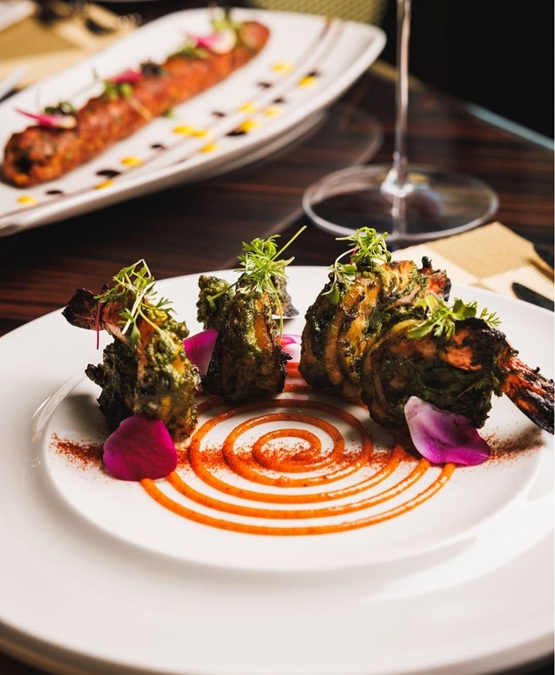
Indian cuisine is undergoing a significant transformation on the global dining landscape, with growing consumer interest in regional flavours, traditional cooking techniques and lesser-known culinary traditions. From Chettinad and Malvani to Awadhi, Bengali, Kumaoni, Goan and northeastern cuisines, dishes that were once largely associated with specific regions of India are increasingly finding space on menus outside the country.

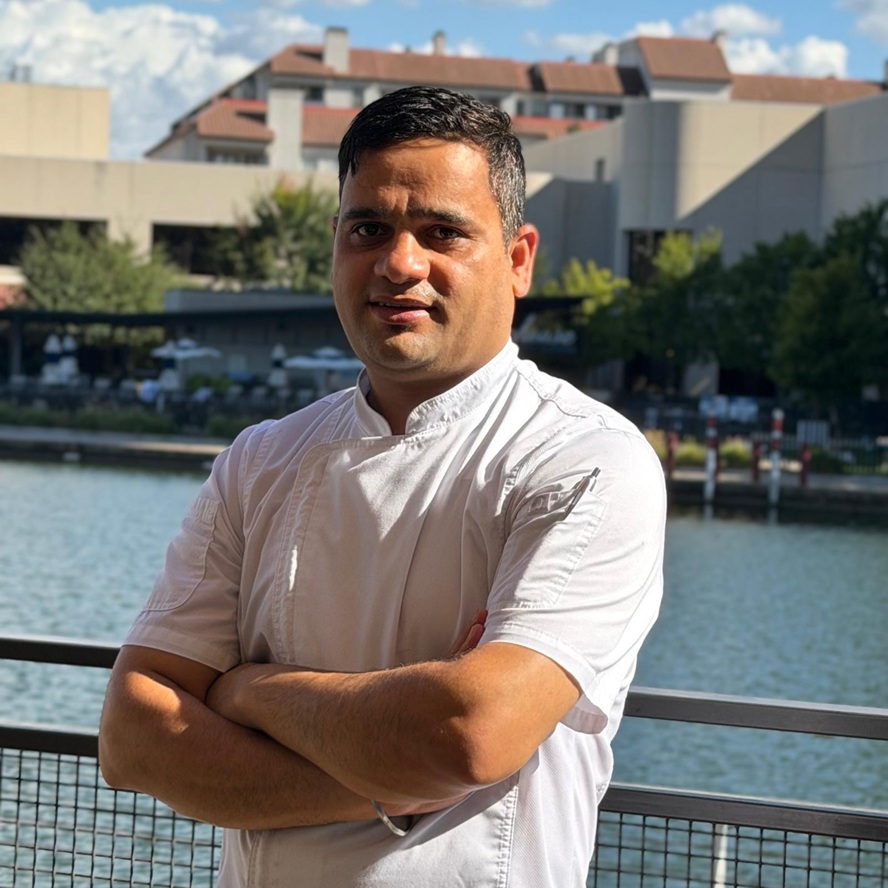
According to Chef Ashish Joshi, Master Chef at Sanjh Restaurant & Bar in Irving, Texas, this growing curiosity presents an important opportunity for Indian restaurants and chefs to introduce lesser-known regional flavours to a wider American audience. He believes the next phase of Indian cuisine’s global growth will be driven not only by familiar favourites but also by the depth and diversity of India’s regional food traditions.
“Indian cuisine is often presented internationally through a relatively small selection of popular dishes, but the reality is that India has an incredibly diverse culinary landscape. Every region has its own ingredients, techniques, flavours and food traditions. Today, diners are becoming more curious and willing to explore these authentic regional experiences,” said Chef Ashish Joshi.
The changing preference is also being influenced by a more informed global consumer. Diners increasingly discover food through travel, social media, food creators and chef-led experiences, creating demand for dishes with a stronger sense of origin and identity. For Indian restaurants in the US, this provides an opportunity to move beyond standardised menus and showcase the country’s culinary diversity.
Chef Joshi believes authenticity will remain central to this evolution. While modern presentation and contemporary techniques can make regional cuisine more accessible, preserving the character of the original dish is equally important.
“Modern Indian cuisine should not mean losing the identity of the food. We can present regional dishes in contemporary ways, but the ingredients, cooking techniques and cultural story behind them should remain recognisable. That is what makes the experience meaningful for diners,” he added.
For chefs, the growing interest in regional cuisine also creates opportunities to experiment with indigenous ingredients and revive traditional recipes that have received limited international exposure. Ingredients such as millets, kokum, mustard oil, regional chillies, coastal spices and traditional grains can provide new dimensions to menus while helping diners understand the geographical diversity of Indian food.
Restaurants, meanwhile, can use regional specialities to create differentiated dining experiences in an increasingly competitive market. Rather than positioning Indian cuisine as a single category, chefs can introduce diners to distinct culinary identities through curated menus, regional tasting experiences and seasonal specials.
Chef Joshi sees this as an important opportunity for Indian chefs working internationally. “The global audience is ready to discover more of India. Our responsibility as chefs is to tell that story through food—respecting our culinary heritage while making it relevant and approachable for today’s diners,” he said.
As international consumers continue to seek authenticity, discovery and memorable dining experiences, regional Indian cuisine is increasingly moving from a niche offering to a significant part of the global Indian food story. The trend could open new avenues for chefs and restaurants to showcase India’s culinary heritage while creating a stronger and more diverse identity for Indian cuisine on the world stage.