


By Suresh Unnithan & Nanditha Subhadra
The recent release of over three million pages of Jeffrey Epstein-related documents by the Department of Justice has cast a reflective, inescapable cloud of suspicion over President Donald Trump. With Trump’s name appearing hundreds of times across these files—including in unredacted communications, flight logs, and a compiled list of anonymous tips alleging sexual misconduct—the sheer volume of references revives intense scrutiny of his long-standing association with one of America’s most notorious sex offenders. As the elected leader of the United States, sworn to uphold the highest standards of transparency and accountability, Trump has a fundamental duty to come clean. The American people deserve a full, unfiltered accounting of his relationship with Epstein, beyond dismissive statements or claims that the ties “soured many years ago.” Failure to do so not only fuels legitimate public doubt but undermines the very integrity of the office he holds.
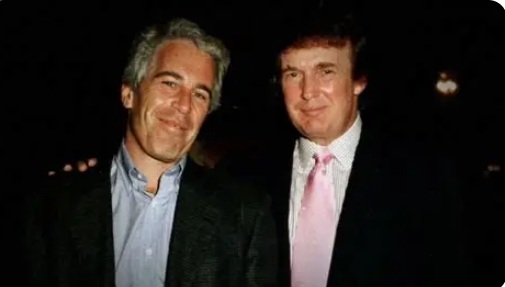
These documents, released in late January 2026 under the Epstein Files Transparency Act signed by Trump himself, paint a picture of proximity that no president can afford to ignore. Epstein, a convicted sex trafficker who died in custody in 2019, was once a close social companion of Trump. Photographs show them together at parties; flight records confirm shared trips on Epstein’s private jet (though not to the infamous island); and mutual appearances in New York’s elite circles are well-documented. Even if Trump banned Epstein from Mar-a-Lago after learning of his predatory behavior—as he has claimed—the initial closeness raises uncomfortable questions. How could someone so embedded in Epstein’s world claim complete ignorance of the crimes unfolding around him? The latest files amplify these concerns, with Trump’s name surfacing repeatedly in contexts ranging from casual mentions in news clippings to more salacious, unverified allegations submitted to FBI hotlines.
The Justice Department has been quick to downplay the most damaging elements, describing many allegations as “untrue and sensationalist claims” timed suspiciously around the 2020 election and labeling them “unfounded and false.” Deputy Attorney General Todd Blanche has emphasized that no credible evidence warranted further investigation or charges against Trump. Yet this official reassurance rings hollow to many, given the context: the DOJ operates under Trump’s administration, and Republican majorities in Congress provide little incentive for aggressive probing. If credible evidence existed, critics argue, it “certainly would have been weaponized” already—but the inverse is also true: the absence of charges under a friendly administration does little to dispel suspicion when millions of pages remain partially redacted or withheld on various grounds.
Trump’s public response has been characteristically composed, urging the nation to “move on” to other issues. Supporters dismiss the releases as recycled attacks from partisan opponents or the so-called deep state, pointing out that no Epstein victim has directly accused Trump of wrongdoing and that much of the material consists of uncorroborated tips. This defense holds legal weight—no charges have been filed despite years of scrutiny—but it sidesteps the deeper political and ethical crisis. In an age of eroded trust in institutions, a president whose name dominates files tied to child exploitation cannot simply wave away the associations as ancient history.
The symbolic damage is immense. Presidential legitimacy extends beyond electoral victories or legal exonerations; it hinges on moral authority and the perception of unimpeachable judgment. Trump’s documented ties to Epstein reflect, at best, a grave lapse in discernment—associating with a man whose criminal network exploited minors. At worst, the persistent references invite speculation about what remains hidden. The selective release process itself breeds distrust: out of over six million potentially responsive pages reviewed, only about 3.5 million were made public after redactions. Whatever the justifications, this partial transparency invites questions about whether inconvenient truths are being shielded to protect powerful figures, including the president himself.
Leadership demands more than denial; it requires proactive accountability. Trump could address the nation directly, release any personal records related to Epstein, or support independent oversight to dispel doubts once and for all. Instead, the pattern of deflection—coupled with a history of settled sexual misconduct claims and ethically fraught relationships—reinforces a narrative of evasion. In a democracy, the public has a right to expect that their elected leader’s associations inspire confidence, not endless defensiveness.
In conclusion, the Epstein shadow poses a profound challenge to the legitimacy of Donald Trump’s continued occupancy of the Oval Office. Without coming clean—providing a comprehensive, transparent reckoning of his Epstein ties and addressing the lingering questions head-on—his presidency remains tainted by unresolved suspicion. No amount of partisan loyalty or policy achievements can fully erase the stain of proximity to such depravity. For the sake of democratic trust and institutional integrity, Trump must confront this head-on. If he refuses, the question is not merely whether he can politically survive, but whether he should morally remain in the chair of power that demands the highest ethical standards from its occupant. The American people, having elected him, deserve nothing less than full clarity; anything short risks permanently diminishing the presidency itself.