


By Suresh Unnithan
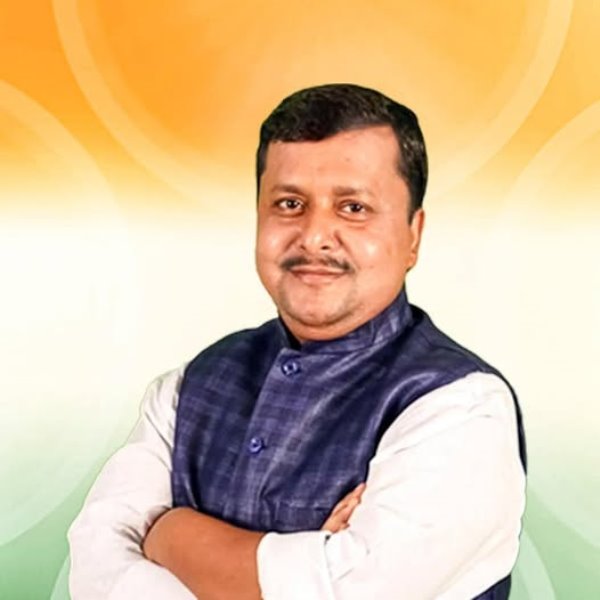
The Bharatiya Janata Party’s decision to appoint Bihar minister Nitin Nabin as its National Working President on December 14, 2025, marks more than a routine organisational transition. It is a clear affirmation of the Rashtriya Swayamsevak Sangh’s (RSS) enduring influence over the party’s leadership choices, underscoring that even in the era of Narendra Modi and Amit Shah’s dominance, the ideological parent organisation holds the upper hand when it comes to safeguarding the BJP’s core ethos.
At 45, Nabin—a five-time MLA from Patna’s Bankipur constituency, with roots in the Akhil Bharatiya Vidyarthi Parishad (ABVP), the RSS’s student wing—embodies the Sangh’s vision of a young, ideologically committed, and organisationally grounded leader. His elevation, widely expected to lead him succeeding J.P. Nadda as full national president in early 2026, comes after months of delays attributed to differences between the BJP’s central leadership and the RSS.
Reports indicate that Prime Minister Modi and Home Minister Shah had initially leaned towards Union ministers like Dharmendra Pradhan or Bhupender Yadav—experienced administrators aligned closely with the government’s agenda. However, the RSS, insistent on a “strong organisational leader” with an independent mindset and deep ideological roots, rather than a perceived “rubber stamp,” effectively stalled the process. The Sangh’s preference for someone who could reinvigorate grassroots mobilisation and resist over-centralisation prevailed, with Nabin emerging as the compromise that tilted decisively in the RSS’s favour.
This is not mere speculation. Sources close to the deliberations note that RSS functionaries, including those coordinating with the BJP, engaged directly with Nabin during the recent Bihar Assembly polls, signalling clear approval. The Sangh’s emphasis on promoting leaders risen from the ranks—rather than lateral entrants or pure electoral strategists—has been evident in recent state-level appointments, and Nabin fits this mould perfectly: a lifelong karyakarta with proven cadre-building skills, untainted by perceptions of being overly beholden to the Modi-Shah duo.
The appointment reflects a broader recalibration within the BJP-RSS ecosystem. Following the 2024 Lok Sabha results, where the party fell short of a standalone majority, the RSS has subtly but firmly reasserted its role as the guardian of ideological purity and organisational discipline. By backing a youthful, Sangh-rooted figure like Nabin, the RSS ensures the party presidency remains anchored in its traditional values, even as it prepares for challenging Assembly elections in states like West Bengal and Tamil Nadu.
For the BJP’s top leadership, accepting Nabin represents pragmatic accommodation. It allows Modi and Shah to project a narrative of generational renewal and eastern focus—Nabin being the first from Bihar—while maintaining operational harmony with the Sangh. Yet, the underlying message is unambiguous: on matters of party presidency, the RSS’s ideological veto remains supreme.
As Nabin takes charge amid upcoming electoral battles, his tenure will test whether this RSS-backed shift can revitalise the organisation without diluting the government’s aggressive political style. One thing is certain—the Sangh has reaffirmed its upper hand, reminding all that the BJP’s soul resides in Nagpur as much as in New Delhi.