


By Nanditha Subhadra
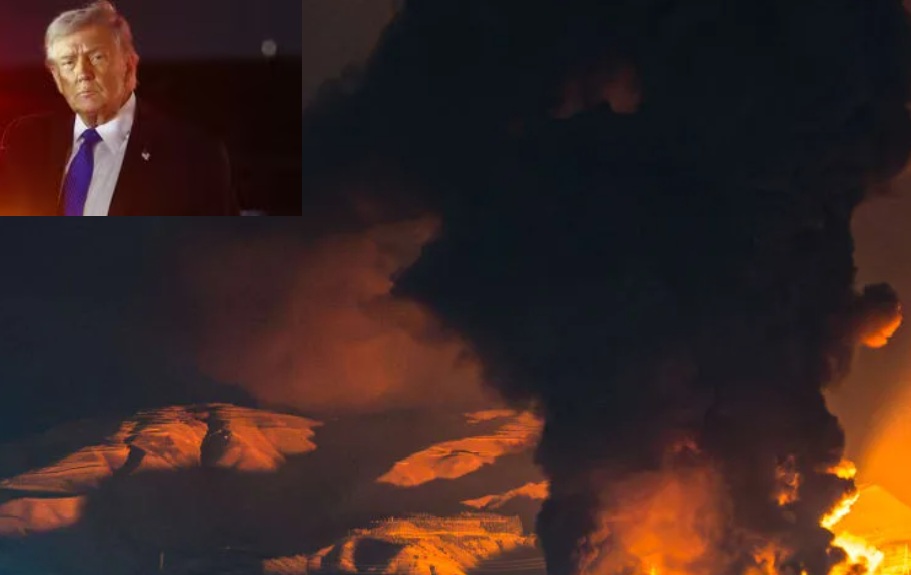
Two weeks into the escalating U.S. conflict with Iran, which began on February 28, 2026, President Donald Trump’s bold decision to launch military strikes is facing intense backlash. What he portrayed as a decisive, low-cost operation to eliminate Iran’s nuclear threat and regional influence has instead revealed itself as a costly miscalculation, dragging the United States into a prolonged engagement with mounting casualties, resilient Iranian defenses, and severe economic repercussions. Nationwide protests are growing, with Americans decrying the war as unnecessary and burdensome on an economy already grappling with inflation and sluggish growth.
Trump’s pre-war and early-conflict rhetoric brimmed with confidence, assuming Iran would crumble quickly under U.S. might. In his initial announcement, he described the strikes as the start of “major combat operations” to “defend the American people by eliminating imminent threats from the Iranian regime” and to “avenge” attacks on U.S. forces. He escalated further, warning that the U.S. would “hit them so hard that it will not be possible for them or anybody else helping them to ever recover,” and demanded Iran’s “unconditional surrender” as the only path forward. Trump even called the war “very complete, pretty much,” suggesting victory was near and objectives largely achieved. In recent statements, he claimed Iran was “about to surrender” during calls with allies.
This bravado echoes Trump’s past criticisms of Middle East entanglements, yet the reality has proven far different. Iran’s retaliatory actions, including disruptions in the Strait of Hormuz, have extended the conflict well beyond initial expectations, turning what was sold as an easy win into a draining quagmire.
The economic toll has been immediate and punishing, inflicting unnecessary pain on everyday Americans. Direct military expenditures have skyrocketed, with costs in the first week alone exceeding $11 billion and projections pushing toward tens of billions more as operations continue. Energy markets have been thrown into chaos: Brent crude oil prices surged dramatically, reaching highs near $120 per barrel before settling around $90–$100 in volatile trading, representing increases of 20–30% or more from pre-war levels. Gasoline prices across the U.S. have jumped sharply—often by 20% or higher—with some regions like California seeing prices exceed $5 per gallon during the second week of March.
These spikes translate directly into higher costs for consumers. Every significant rise in oil prices reduces U.S. economic growth, strains household budgets through elevated fuel, transportation, and utility expenses, and risks adding hundreds of dollars annually to family outlays. Stock markets have plunged, with declines in growth sectors and broader volatility, while consumer sentiment has hit new lows for the year. Job creation faces headwinds, with potential monthly losses in the tens of thousands if disruptions persist, compounding earlier slowdowns. Global trade has suffered, particularly through partial or threatened closures in key shipping routes like the Strait of Hormuz, leading to aviation and tourism setbacks, supply chain issues, and fears of broader inflation or even recession if the war drags on.
Critics argue this conflict was avoidable—driven more by regime-change ambitions than clear, imminent dangers—and offers no offsetting benefits to U.S. security or prosperity. Trump’s assurances that rising costs are “temporary” and a worthwhile price ring increasingly hollow as families feel the pinch at the pump and in their wallets.
Protests have erupted in dozens of cities, from coast to coast, with demonstrators chanting against “wars based on lies” and highlighting the diversion of resources from domestic needs. Public approval for the war remains low, with many viewing it as an unwanted burden exacerbating economic woes.
Within Trump’s own party, tensions are rising. While some congressional leaders initially backed the strikes, the anti-interventionist wing—including prominent voices in the MAGA base—has grown vocal about the risks. With midterm elections approaching in November 2026, the war threatens to undermine the economic narrative Trump campaigned on, potentially costing Republican seats amid voter frustration over soaring prices and instability.
If the conflict stretches on for even a few more weeks, the damage could compound rapidly. Military spending would balloon further, oil prices might sustain elevated levels or spike into even more alarming territory, fuelling persistent inflation and eroding any remaining economic gains. Job impacts would worsen, protests could intensify, and internal GOP divisions might deepen, turning what Trump promised as a quick triumph into a major political liability.
Trump’s assumption that Iran could be defeated swiftly has proven disastrously wrong, leaving Americans to bear the heavy price of an ill-advised war with no clear end in sight. A rapid de-escalation is urgently needed to halt the bleeding—both economic and political—before the costs become irreversible.