


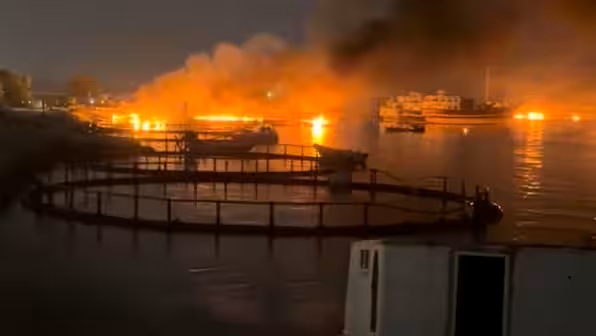
Dubai: More than 30 civilians have been killed and over 260 wounded in recent US attacks on southern Iran, according to Iranian officials, as the ongoing conflict between the United States and Iran enters a new phase of intensity.
Iranian military sources reported that a 13-missile barrage carried out by US forces struck targets in the south, resulting in the deaths of seven Iranian troops. The strikes, which officials described as aggression, targeted areas including military positions in Bandar Abbas and Bushehr. Iran has vowed to respond to what it calls a violation of its sovereignty.
The attacks form part of a broader US military campaign against Iranian targets that has been underway for several months. US officials have stated that the operations focus on military and strategic sites, such as missile facilities and air defenses, aimed at reducing threats to regional stability and shipping lanes like the Strait of Hormuz.
However, Iranian authorities have highlighted the civilian toll. Reports indicate damage to residential areas and infrastructure, contributing to the casualties. The latest figures add to the significant overall death toll in the conflict, with previous estimates from Iranian health officials placing total fatalities in the thousands since the escalation began earlier in 2026.
President Donald Trump has indicated that US strikes will continue until Iran agrees to a negotiated settlement. In recent comments, he emphasized the need to maintain open sea lanes and dismissed some Iranian claims regarding the impact of the operations. The US Central Command has maintained that its actions target legitimate military objectives.
The humanitarian situation in southern Iran remains a concern. Medical facilities in affected provinces are treating the wounded, many of whom sustained injuries from explosions and shrapnel. International observers have noted challenges in verifying exact casualty numbers amid restricted access and ongoing hostilities.
In response, Iran has launched retaliatory actions, including missile strikes on US-linked targets in the Gulf region. Reports from Iranian sources claim impacts on military installations in countries such as Kuwait and Bahrain. These exchanges have raised fears of further regional destabilization involving proxy forces and international actors.
The conflict has drawn international attention, with diplomatic efforts to de-escalate the situation facing significant hurdles. Russia has engaged with Iran, including the recent arrival of a specialized aircraft in Tehran, though the purpose has not been fully clarified by officials.
Analysts warn that continued strikes could complicate efforts toward a ceasefire and exacerbate the humanitarian crisis. Both sides have accused the other of prolonging the violence, with Iran denying ambitions for nuclear weapons development while criticizing US actions as destabilizing.
As the situation develops, global markets and energy supplies face potential disruptions due to the strategic importance of the Persian Gulf. Governments and organizations worldwide are monitoring developments closely, urging restraint to prevent a wider war.
This report is based on statements from Iranian officials, US sources, and available media accounts. Independent verification of all details remains difficult due to the active conflict zone.