


From Our Foreign Desk
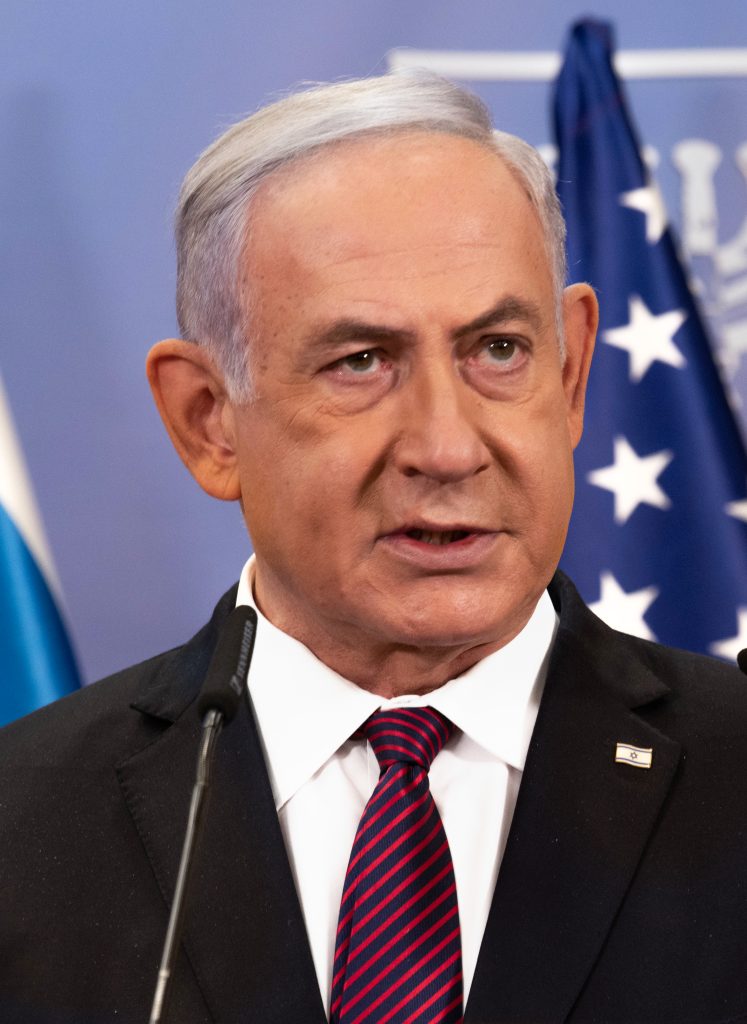
In the spring of 2026, as U.S. and Israeli jets continue pounding Iranian targets in a conflict that began on February 28 with massive strikes on nuclear facilities, missile sites, and regime infrastructure, one figure looms large over the chaos: Israeli Prime Minister Benjamin “Bibi” Netanyahu. While missiles fly and casualties mount on both sides, a 2024 documentary has roared back into global prominence. The Bibi Files, directed by Alexis Bloom, uses leaked police interrogation footage to peel back the layers of Netanyahu’s long-running corruption trials. Critics and supporters alike now debate a provocative question: Are Israel’s—and America’s—entanglements in perpetual Middle East conflicts, including the current Iran war, partly fueled by one man’s desperate fight for political and personal survival?
The roots of this drama stretch back years before the October 7, 2023, Hamas attacks or the 2026 escalation with Iran. Between 2016 and 2018, Israeli police recorded thousands of hours of interrogations as part of investigations into allegations of bribery, fraud, and breach of trust against Netanyahu—the first sitting prime minister in Israel’s history to face criminal charges. Those raw tapes were leaked via Signal to filmmaker Alex Gibney in early 2023. Bloom’s documentary weaves this never-before-seen footage of Netanyahu, his wife Sara, son Yair, wealthy donors, and associates with on-the-record interviews from insiders. It screened as a work-in-progress at the 2024 Toronto International Film Festival and premiered officially at Doc NYC in November 2024 before releasing on the Jolt platform in December. Though banned in Israel due to privacy concerns, the film gained fresh traction in March 2026 when Tucker Carlson’s network promoted it heavily, framing it as essential viewing amid deepening U.S. involvement in the Iran conflict.
At the heart of The Bibi Files and the trials themselves are three consolidated cases that paint a picture of alleged quid pro quo at the highest levels of power.
Case 1000, often called the “Gifts Affair,” accuses Netanyahu and his wife of receiving luxury items—cigars, champagne, jewelry—worth hundreds of thousands of dollars from billionaire friends like Hollywood producer Arnon Milchan and Australian mining magnate James Packer. Prosecutors claim these gifts were exchanged for official favors, such as helping Milchan secure a U.S. visa and pushing tax legislation that would benefit him. Netanyahu insists the gifts were simply tokens of longstanding personal friendships with no strings attached.
Case 2000 centers on secret recordings of conversations between Netanyahu and Arnon Mozes, publisher of the influential Yedioth Ahronoth newspaper. The allegation: Netanyahu offered to curb the distribution of rival pro-Netanyahu daily Israel Hayom (backed by the late Sheldon Adelson) in return for favorable media coverage. No deal was ultimately implemented, and Netanyahu describes the talks as exploratory and non-binding.
The most serious is Case 4000, involving telecom tycoon Shaul Elovitch, owner of Bezeq and its news site Walla. As communications minister, Netanyahu allegedly steered regulatory decisions worth billions to Bezeq in exchange for positive, tailored coverage of himself and his family on Walla. Evidence includes alleged instructions funneled through his son Yair and testimony from state witnesses like former ministry director-general Shlomo Filber. This case has drawn particular scrutiny for its direct links to media influence and regulatory abuse.
Netanyahu has vehemently denied all charges, calling the entire process a “witch hunt” by political enemies in the media, judiciary, and left-wing establishment. The trial opened in May 2020 in Jerusalem District Court. Proceedings have faced repeated delays due to the COVID-19 pandemic, multiple election cycles, the October 7 attacks and subsequent wars, Netanyahu’s health issues, and security concerns. He began testifying in late 2024, with cross-examination intensifying through 2025 and continuing into 2026. As of April 2026, hearings push forward four days a week, with Netanyahu required to appear three times weekly to accelerate the process. A pardon request submitted to President Isaac Herzog in November 2025 remains under review, complicated by political recusal and legal opinions. Netanyahu’s coalition has also pursued legislation that could repeal the “fraud and breach of trust” charges central to all cases.
Insiders featured in The Bibi Files, including investigative journalist Raviv Drucker, argue that these legal troubles have profoundly shaped Netanyahu’s strategy. Facing potential imprisonment if convicted, he allegedly weakened judicial oversight, allied with far-right parties, and embraced prolonged conflicts to maintain power and delay proceedings. The film suggests that endless war—first in Gaza, then Lebanon, and now Iran—serves as a political shield. As long as national security dominates the agenda, the trial can be postponed, coalition partners remain loyal, and Netanyahu positions himself as indispensable. Clips reportedly capture family discussions with donors like Miriam Adelson, framing threats from Iran in stark, existential terms that echo current wartime rhetoric.
Critics of the documentary dismiss it as selective and agenda-driven, noting that Iran’s nuclear ambitions, ballistic missile arsenal, and proxy network (Hamas, Hezbollah, Houthis) represent genuine existential dangers to Israel—threats Netanyahu has highlighted for over a decade, long before his legal woes intensified. They argue the film underplays objective security imperatives while amplifying personal motives. Supporters counter that the raw interrogation footage humanizes the stakes: a leader whose survival instincts may have amplified confrontations, fractured Israeli society through judicial reform protests in 2023, and drawn the United States deeper into regional quagmires.
In the context of the 2026 Iran war—marked by U.S.-Israeli strikes on regime targets, Iranian retaliatory missile barrages injuring civilians in Israel, and mounting regional instability—the film’s revival raises pointed questions. Promoted with the tagline that “as America dives deeper into the Iran War, understanding who is pulling the strings matters more than ever,” it portrays Netanyahu not merely as a security hawk but as a figure whose domestic vulnerabilities influence grand strategy. Israeli public opinion, initially unified behind the campaign, shows signs of strain as the conflict drags without decisive victory and with significant human and economic costs.
The Bibi Files does not allege that Netanyahu invented the Iranian threat; rather, it explores how personal and political survival may have intertwined with legitimate national security concerns, shaping alliances, media narratives, and the tempo of escalation. Alex Gibney, involved in the project’s origins, has described the “ultimate corruption” as a leader wrapping himself in the mantle of wartime prime minister to evade accountability.
As cross-examination in the Jerusalem courtroom continues and strikes over Iranian skies persist, the intersection of these stories remains unresolved. Netanyahu’s trial—potentially stretching months or years more—coincides with a war whose outcome could reshape the Middle East. Whether conviction, pardon, or legislative intervention awaits him, one truth emerges clearly from the leaked tapes and ongoing battles: In Israel’s high-stakes democracy, the personal, the political, and the existential are inextricably linked. The Bibi Files offers no easy answers or policy prescriptions, but it compels a sober reckoning with how one man’s legal predicament may echo far beyond the courtroom—into the skies over Tehran and the corridors of power in Washington and Jerusalem.