


From Our Political Correspondent
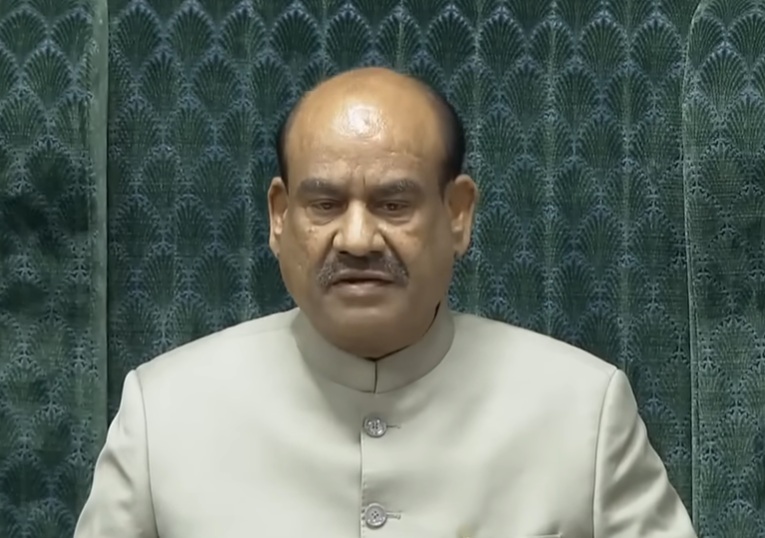
New Delhi: In a sharply worded three-page letter addressed to Lok Sabha Speaker Om Birla, Congress MP Jothimani Sennimalai, supported by signatures from numerous women MPs (primarily from opposition parties), has accused the Speaker of displaying a partisan attitude toward the opposition. The letter singles out Birla’s alleged inaction against BJP MP Nishikant Dubey for making “obscene remarks” against India’s first Prime Minister Jawaharlal Nehru and other senior Congress leaders. It goes further, claiming that the Speaker is functioning under pressure from the ruling government, thereby compromising the impartiality expected of his office.
This episode is the latest flashpoint in an increasingly polarised Indian Parliament, where mutual accusations of bias and indecorum have become routine. While the letter seeks to highlight a breach of parliamentary standards, a critical examination reveals its own limitations—selective outrage, political timing, and an underlying motive of opposition consolidation—while also exposing deeper systemic issues. Its larger public impact, though significant in the short term, risks reinforcing public cynicism rather than catalysing meaningful reform.
The letter’s primary grievance centres on Nishikant Dubey’s remarks, described as “obscene.” Dubey, known for his combative style, has previously made controversial statements invoking Nehru’s personal life—often alluding to alleged extramarital relationships—in a manner many opposition members find derogatory and irrelevant to legislative debate. The women MPs argue that such language lowers the dignity of the House and that the Speaker’s failure to initiate disciplinary action (expungement, censure, or referral to the Privileges Committee) reflects bias.
The letter has generated considerable media coverage and social-media traction, with opposition supporters praising it as a courageous stand against authoritarian bias and ruling-party defenders dismissing it as hypocritical disruption politics. Hashtags and viral clips have amplified the narrative of a “captured” Speakership, feeding into the broader opposition storyline of democratic backsliding.
In the short term, the letter consolidates opposition unity, especially among women MPs who span multiple parties within the INDIA bloc. It also keeps public attention focused on parliamentary dysfunction rather than allowing the treasury benches to dominate the narrative.
In fact, the letter by Jothimani and fellow women MPs raises legitimate concerns about parliamentary decorum and the Speaker’s perceived partisanship. For genuine improvement, Parliament needs bipartisan mechanisms—perhaps a strengthened Rules Committee or external oversight—to enforce decorum impartially. Until such reforms emerge, episodes like this will continue to entertain political commentariat while disillusioning the wider public.