


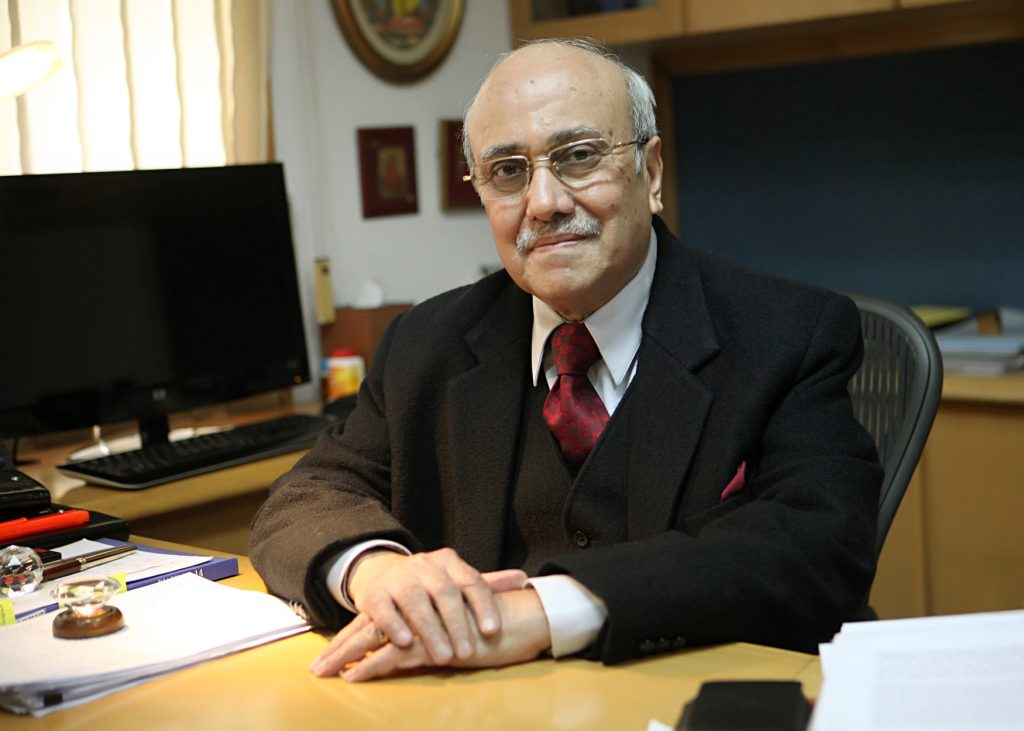
Vadodara July: International Road Federation (IRF) , a Geneva based global road safety body working for better and safer roads worldwide expressing concern at collapse of section of Gambhira bridge on Mahisagar River in Gujarat state resulting in heavy loss of life has stressed on the need of regular monitoring and maintenance of bridges and vital infrastructure in the country.
“The natural environment is harsh and corrosive to bridges, regardless of the type of material, quality of construction, or means of erection. Regular use of these structures further accelerates their deterioration. Concerned authorities including Civil and structural engineers must conduct regular assessments of bridge elements to establish conditions and then address critical defects to preserve the safety and integrity of bridges.” Said Mr K K Kapila, President Emeritus , International Road Federation (IRF) .
“As the cost of new construction continues to rise, and with an increasing focus on the environmental and social impacts surrounding the construction of new structures, maintaining existing infrastructure is crucial. The role of Civil and structural engineers is vital to maintain infrastructure. Regular bridge inspections are used to guide maintenance programs that protect the traveling public.” Mr Kapila Said,
“Managing vital assets for maximizing service life and serviceability demands innovative and modern technologies Today, the assessment of major infrastructure and their condition relies mainly on visual inspection, a method deemed insufficient by experts as it does not enable the detection of all defects within the structure. What’s more, it is subjective and tedious as it requires the analysis of many photographs with the naked eye.” He said .
Recent innovations in terms of instrumentation, data analysis, and artificial intelligence (AI) offer great potential for the monitoring of vital infrastructure works. They are to make it easier to detect and measure defects as well as understand them better and even anticipate their evolution in time so as to better plan renovation or repair works. The promise is to reduce maintenance costs while increasing the lifespan
“Innovations in terms of instrumentation, data analysis, and artificial intelligence offer great potential for the monitoring and maintenance of infrastructures, as a complement to traditional visual inspection methods. Bridges are an example of this. As maintaining bridges, the nerve centers of road and rail networks, in good condition is a major security and availability issue for users. It is a gigantic task.” Said Mr. Akhilesh Srivastava, President, India chapter of IRF.
“Monitoring the condition of bridges is based mainly on two principles: visual inspections, carried out on the ground by engineers to detect any possible cracks and degradations, and the collection of physical data by networks of sensors installed on or in the structures. This last method, called Structural Health Monitoring (SHM), offers several advantages compared to visual inspections, but a major barrier to its adoption is its costs that are still too high” said Mr. Srivastava.