


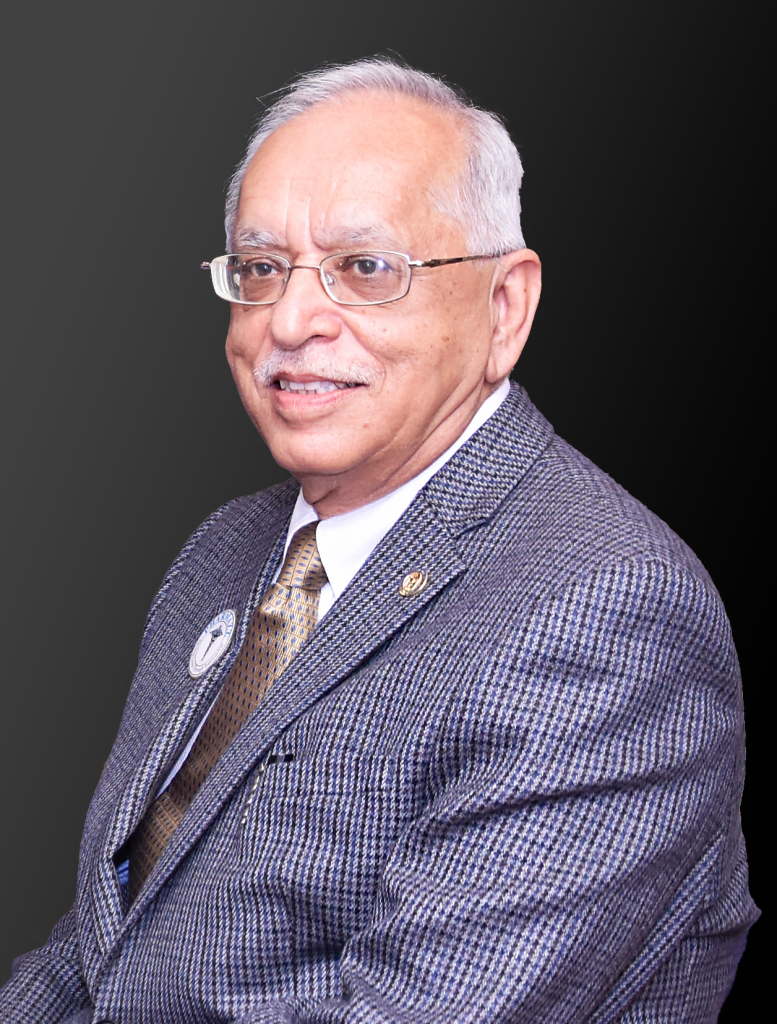
By Dr. Anil Gulati
As winter temperatures fall, healthcare professionals across the world, including in India, report a significant increase in stroke cases. This seasonal surge is not coincidental; instead, it results from a complex interaction of physiological responses, environmental stressors, and lifestyle changes that collectively elevate stroke risk during colder months.
Vasoconstriction and Elevated Blood Pressure
Exposure to cold triggers vasoconstriction, a natural narrowing of blood vessels aimed at conserving body heat. While protective in nature, this response leads to an increase in blood pressure, which is one of the most critical risk factors for both ischemic and hemorrhagic strokes. Elevated pressure places additional strain on blood vessel walls, making them more susceptible to damage or rupture.
Increased Blood Viscosity and Clot Formation
Cold weather also increases blood viscosity, making the blood thicker and more prone to clotting. Slower blood flow and heightened clot formation raise the likelihood of thrombi developing and obstructing blood vessels that supply the brain, ultimately leading to ischemic stroke.
Reduced Physical Activity and Lifestyle Shifts
Winter often brings reduced outdoor activity, leading to a more sedentary lifestyle. Decreased physical movement can result in weight gain and poor control of blood pressure, cholesterol, and blood sugar levels, which are all well-known contributors to stroke risk. Additionally, winter diets often include calorie-dense and high-sodium foods, which further exacerbate cardiovascular stress.
Early Morning and Extreme Cold Effects
Evidence suggests that stroke incidence may peak during early morning hours in winter, when temperatures are lowest, and blood pressure naturally rises upon awakening, further increasing vascular strain.
Hidden triggers: dehydration and infections
- Many people drink less water in winter because they feel less thirsty, but dehydration can concentrate the blood and further increase clotting risk.
- Flu and other seasonal infections are more common in winter and can cause inflammation that destabilizes fatty deposits in blood vessels and promotes clot formation.
Extra risk in people with chronic illness
- People with hypertension, diabetes, heart disease, or a previous stroke are especially vulnerable in winter, as cold stress and missed medicines can easily push them into dangerous territory.
- Stroke cases often peak in the early morning during cold months, when body temperature is low, and blood pressure naturally rises after waking.
Current standard treatment
The current treatment specifically for ischemic stroke is focused on either removing the clot by invasive procedures or dissolving the clot by using thrombolytics. The limitation is that thrombolytics like alteplase and tenecteplase are only effective if given within 4.5 hours. Because of this tight window, less than 10-15% of stroke patients actually receive treatment.
Sovateltide: a new hope to treat ischemic stroke
Sovateltide is a new medicine recently approved for the treatment of acute ischemic stroke in India. It works by activating endothelin‑B (ETB) receptors in the brain, which support blood vessel repair and nerve cell recovery. Clinical studies suggest that, if sovateltide treatment is initiated within the first 24 hours, sovateltide can improve neurological outcomes, helping more patients regain independence after stroke, with a favourable safety profile.
Key prevention tips for the public
- Keep warm but avoid sudden temperature changes, monitor and control blood pressure, sugar, and cholesterol regularly in winter.
- Stay active indoors, eat a balanced, lower-salt diet, drink enough water, and do not skip prescribed medicines or health check-ups.
- Learn to recognize stroke warning signs using FAST (Face drooping, Arm weakness, Speech difficulty, Time to call emergency services) and reach a stroke-ready hospital immediately; early treatment, including emerging options like sovateltide for eligible ischemic stroke patients, can save brain function and reduce disability.
*Prof. (Dr.) Anil Gulati is the founder, Chairman, and CEO of Pharmazz, Inc,USA