


Pune: In a remarkable case of clinical expertise and timely intervention, a 21-year-old student, Ms. Anita Surve (name changed), successfully recovered from a severe and rare neurological condition – anti-NMDA receptor encephalitis – after undergoing an intensive and complex treatment journey in a 55-day battle at Sahyadri Super Speciality Hospital, Hadapsar, a network hospital of Manipal Hospitals.
With no prior medical history, Anita (name changed) was admitted on January 28 after developing acute neurological symptoms, including confusion, altered sensorium, and cognitive dysfunction. Her condition rapidly progressed to persistent encephalopathy and recurrent seizures, including generalized tonic-clonic and focal episodes, requiring immediate critical care and continuous neuromonitoring.
Initially, the patient’s family considered this to be a problem with her behavior since they witnessed many episodes of her displaying abnormal behavior, confusion, and memory loss. There were several occasions when she was unable to work independently and became increasingly dependent on others. Although treatment was delayed, it made a world of difference in her life. She regained her memory and returned to normalcy.
When the patient visited Sahyadri Super Speciality Hospital, Hadapsar, the medical staff administered the first line of treatment through pulse steroids and IVIG, following standard medical protocols. Nevertheless, even after these measures, the patient still showed signs of severe neurological dysfunction, and therefore, the doctors decided to administer aggressive immunotherapy using Rituximab, an advanced treatment for complex neurological autoimmune disorders. The doctors emphasized that delayed diagnosis could cause permanent neuronal damage and unfavorable outcomes.
In the course of her treatment, she developed status epilepticus despite being on anti-epileptic drugs, which is a neurological emergency that can be life-threatening. Intubation and mechanical ventilation were necessary. Due to the need for ventilator support for a long time, a tracheostomy was done earlier.
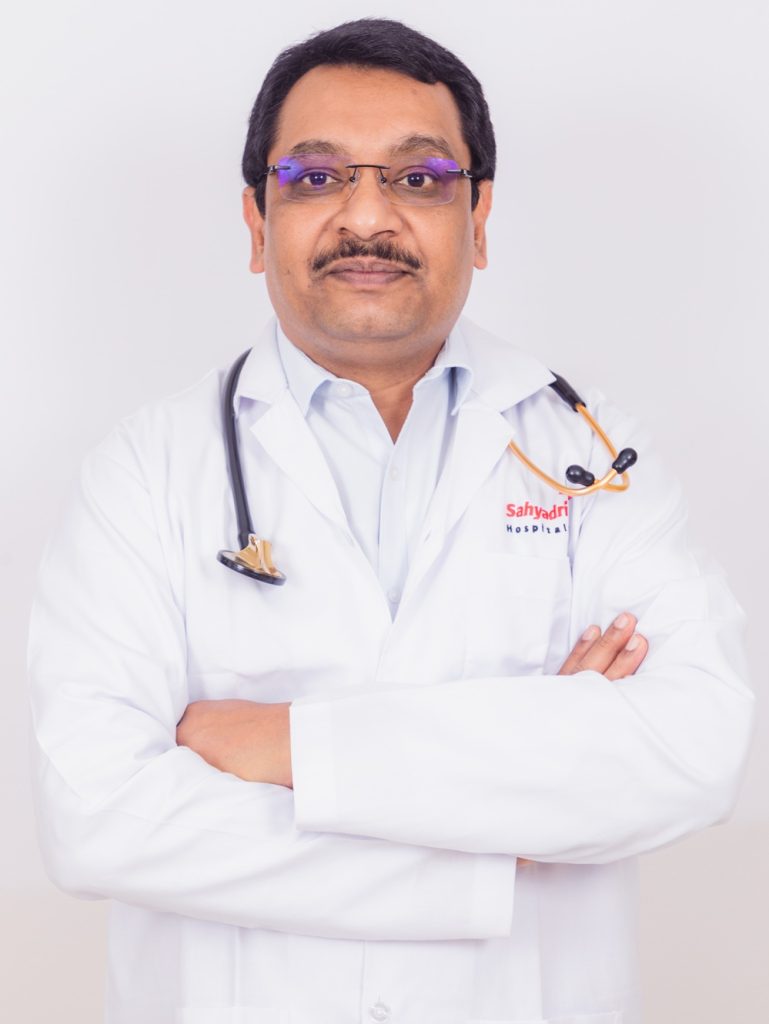
“During her ICU course, Anita required meticulous management for complex infectious challenges, including a polymicrobial urinary tract infection involving resistant organisms such as Klebsiella pneumoniae and Enterococcus faecium. This phase highlighted the importance of a carefully coordinated, multidisciplinary approach, where immunotherapy and pulse steroid therapy were judiciously balanced with targeted, advanced antimicrobial strategies. Through close monitoring, individualized treatment, and timely interventions, infection control was achieved while ensuring continuity of neurological recovery,” said Dr. Kapil Borawake, Director – Critical Care Department, Sahyadri Super Speciality Hospital, Hadapsar.
Despite these multiple challenges, Anita showed gradual but steady neurological improvement. She progressed from minimal responsiveness to regaining the ability to obey commands, with significant improvement in limb movements. Seizure control was eventually achieved, allowing doctors to taper sedation. She was successfully weaned off the ventilator, transitioned to minimal oxygen support, and underwent successful decannulation.
After nearly two months of intensive, multidisciplinary care, Anita was discharged on March 23 in stable condition, marking a significant recovery from a potentially life-threatening and complex neurological disorder.
Commenting on the rarity of this case, Dr. Kapil Borawake said, “Anti-NMDA receptor encephalitis is a rare but potentially reversible condition if diagnosed early. This case was particularly challenging due to the severity of neurological involvement and associated complications. A timely, multidisciplinary approach and the ability to escalate treatment while managing infections played a crucial role in the patient’s recovery.”
This case stands out due to the early diagnosis and successful multimodal management of severe anti-NMDA receptor encephalitis, compounded by refractory seizures, prolonged ICU stay, and the added challenge of continuing immunotherapy in the presence of serious infections—yet achieving a favorable clinical outcome.
The success of this difficult case is attributed to the strength of multidisciplinary cooperation. The cooperation between intensivists, neurologists, infectious disease specialists, rheumatologists, pulmonologists, specialized nursing personnel, and nutritionists was crucial at every step of this case, from stabilization to neuro-immunological treatment, infection control, immunotherapy adjustment, bedside observation, and nutrition management.