


New Delhi: India’s tourism and hospitality sector is entering a new phase of growth, driven by rising domestic travel, expanding hospitality infrastructure and the emergence of high-potential segments such as wellness, cruise, adventure and MICE tourism. While this momentum is opening up new employment opportunities, it is also reshaping the skills that the industry expects from its workforce.
According to the Tourism & Hospitality Skill Council’s (THSC) Demand & Skill Gap Study 2024, the sector is expected to require nearly 3 million additional skilled professionals by 2028, with workforce demand projected to grow from 11.8 million in 2024 to 14.8 million by 2028. The industry’s requirements today extend well beyond conventional hospitality roles to include digital customer engagement, sustainable tourism practices, culinary innovation, travel operations and destination management.
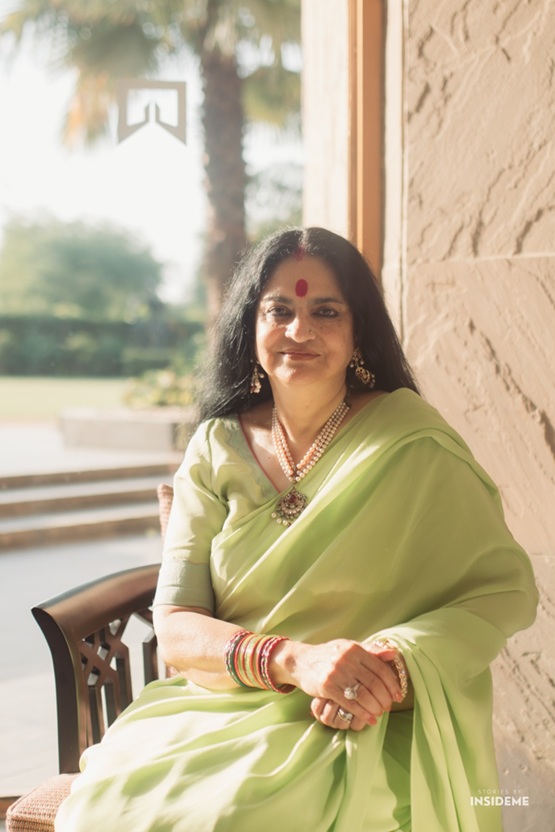
Marking World Youth Skills Day 2026, Jyoti Mayal, Chairperson, Tourism & Hospitality Skill Council (THSC), said: “Tourism and hospitality have always been one of India’s largest employment-generating sectors, particularly for young people. However, as traveller expectations evolve, so do the skills required to succeed. Today’s workforce must combine technical expertise with communication skills, digital proficiency, adaptability and a strong service mindset. Equipping young professionals with these capabilities will not only improve employability but also strengthen India’s competitiveness as a global tourism destination.”
She further added: “The sector today offers diverse career pathways across hotels, restaurants, travel services, aviation support, heritage, wellness, cruise, events and experiential tourism. To fully realise this potential, stronger collaboration between industry, academia and skill development institutions is essential to ensure training remains aligned with evolving market needs and creates meaningful employment opportunities for India’s youth.”
This year’s global theme, “Skills for a Shared Future,” underscores that skilling is not just about jobs—it is about building inclusive, sustainable societies. It highlights the need for balanced competencies that combine technical, digital, AI, green, social-emotional and civic skills with the human qualities that technology cannot replace.
On the occasion of World Youth Skills Day, Mayal emphasised that investing in industry-relevant skilling is integral to sustaining the growth of India’s tourism and hospitality sector. As the visitor economy continues to expand, building a future-ready workforce will be key to delivering world-class guest experiences and supporting the sector’s long-term development.
Call to Action: To truly harness the promise of Skills for a Shared Future, India’s policymakers, industry leaders, and educators must unite to create agile, inclusive training ecosystems. By empowering youth with future-ready skills, the tourism and hospitality sector can become not only a driver of economic growth but also a beacon of shared prosperity and cultural pride