


By PNI News Desk June 30, 2026
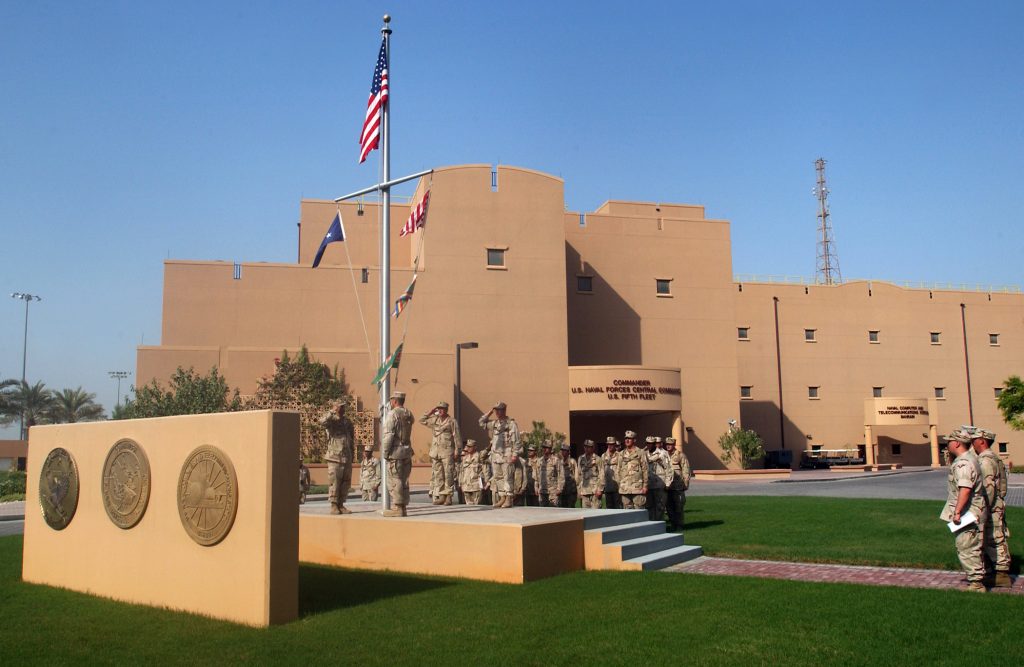
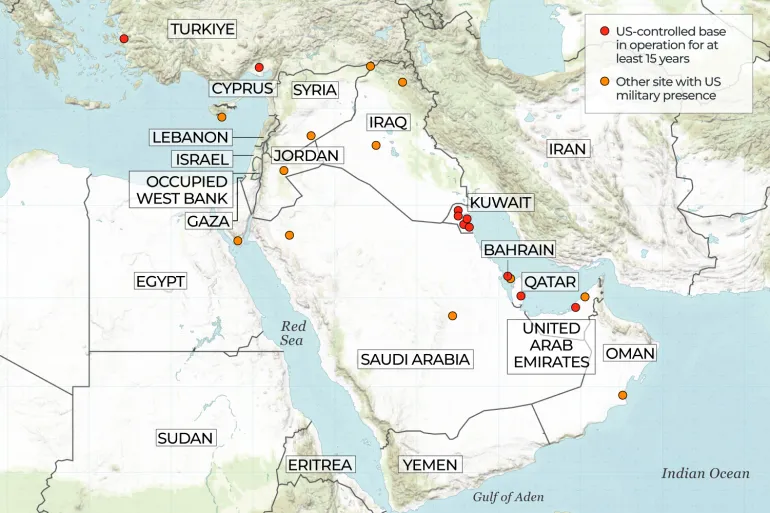
The fragile ceasefire in the 2026 Iran war has cracked under renewed pressure. In a sharp escalation over the weekend, Iran launched waves of ballistic missiles and drones targeting U.S. military installations across the Gulf, including the headquarters of the U.S. 5th Fleet in Bahrain and sites in Kuwait. The United States responded with retaliatory airstrikes on Iranian coastal and military targets near the Strait of Hormuz.
The Islamic Revolutionary Guard Corps (IRGC) claimed its forces destroyed eight important U.S. military facilities at the Ali Al Salem Air Base in Kuwait and the 5th Fleet naval base at Port Salman in Bahrain. Iranian state media described the operation as direct retaliation for recent American strikes on Iranian sites.
U.S. Central Command confirmed it had conducted strikes on Iranian missile, drone, and radar facilities in response to what it called Iranian aggression against commercial shipping in the Strait of Hormuz. The exchange has once again placed the world’s most critical oil chokepoint at the center of global anxiety.
Iranian Warning: Total Control Over Hormuz for 30 Days
Iranian Foreign Minister Abbas Araghchi issued a stark warning in Baghdad: the Strait of Hormuz “remains under the total oversight and management of Iran” for the next 30 days. He stated that any further U.S. attacks would only exacerbate the already precarious situation. Araghchi also signaled Iran’s readiness to partner with Gulf states on regional security arrangements, a diplomatic overture amid the military confrontation.
The Strait handles roughly one-fifth of global oil trade. Even a partial disruption has already sent insurance premiums for tankers soaring and forced some vessels to consider the long and expensive route around Africa.
Diplomatic Lifeline: Technical Talks in Qatar
Despite the battlefield escalation, a diplomatic channel remains open. According to reports, Iran and the United States have agreed to resume technical talks in Qatar this week. The discussions aim at securing a permanent end to the war and implementing the interim memorandum of understanding reached earlier in June. Qatar has emerged as a key mediator in the crisis.
The resumption of talks offers a narrow window to pull the region back from the brink, though both sides continue to accuse each other of violating the fragile June ceasefire.
GCC Condemns Strikes on Bahrain and Kuwait
The Secretary-General of the Gulf Cooperation Council strongly condemned the Iranian strikes on Bahrain and Kuwait, describing them as actions that “undermine international and regional efforts aimed at establishing security and peace and resolving the crisis.” The statement reflects the deep concern among GCC members who host U.S. forces and fear being drawn deeper into the conflict.
Broader Regional Tensions
In a related development highlighting the wider instability, Syria’s Foreign Ministry condemned Israeli military incursions into the southern Syrian provinces of Quneitra and Deraa. The statement adds to the sense that multiple fronts remain active even as the main Iran-U.S. confrontation dominates headlines.
Context of the 2026 Gulf War
This latest round of strikes comes against the backdrop of a war that began on February 28, 2026, when U.S. and Israeli forces launched Operation Epic Fury against Iran. The conflict has already caused thousands of casualties, massive displacement, and severe economic disruption across the Middle East. A fragile interim agreement in mid-June had raised hopes of de-escalation, but repeated incidents involving commercial shipping in the Strait of Hormuz have repeatedly tested the limits of that truce.
Iran has consistently used missile and drone barrages as asymmetric tools to impose costs on U.S. forces and their regional hosts. The United States, for its part, has relied on precision airstrikes and naval presence to protect shipping lanes and deter further Iranian action.
Global Stakes

The immediate economic impact is already being felt. Oil prices have spiked on fears of prolonged Hormuz disruption. For energy-importing nations like India, the developments are particularly worrying. Higher crude prices threaten inflation, widen the current account deficit, and increase pressure on subsidies.
Shipping companies are reassessing routes, while global supply chains brace for delays. The specter of a wider regional war involving additional actors remains a nightmare scenario for markets and governments alike.
Outlook
As technical talks prepare to resume in Doha, the coming days will test whether diplomacy can contain the military escalation. Iran’s assertion of control over the Strait of Hormuz for the next 30 days, combined with the IRGC’s claims of successful strikes on U.S. facilities, signals Tehran’s determination to maintain leverage. Washington’s retaliatory posture, backed by its naval and air assets in the region, shows it is equally unwilling to back down.
The Gulf now stands at a dangerous crossroads. One miscalculation could turn the current exchange of strikes into a much larger and more destructive conflict. For now, the world watches anxiously as missiles fly and diplomats scramble to keep the fragile peace from collapsing entirely.