


From Our Foreign Correspondent
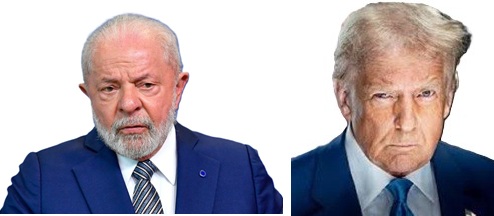
On May 7, 2026, a nearly two-and-a-half-hour closed-door meeting at the White House between U.S. President Donald Trump and Brazilian President Luiz Inácio Lula da Silva produced a surprising diplomatic revelation. Following the talks, Lula told reporters that Trump has no intention of launching a military invasion of Cuba. The statement has sent ripples through Latin America and beyond, offering a potential de-escalation signal amid heightened tensions.
Background: Trump’s Hardline Stance on Cuba
Since returning to the White House, the Trump administration has taken a firm approach toward leftist governments in Latin America. Cuba has been a particular focus. Earlier in 2026, the U.S. designated Cuba as an “unusual and extraordinary threat” to national security, imposed fresh sanctions, and worked to restrict oil shipments to the island. Trump has repeatedly spoken about the need for a “deal” with Cuba while criticizing the regime’s human rights record, alleged support for terrorism, and economic mismanagement.
Public rhetoric at times appeared aggressive. Phrases suggesting pressure or even a “friendly takeover” fueled speculation about possible military options. Cuba’s severe economic crisis — marked by fuel shortages, food scarcity, blackouts, and emigration — has been blamed by Havana on U.S. sanctions, while Washington attributes it to decades of failed socialist policies.
Lula’s Revelation: “No Intention of Invading”
After the White House meeting, Lula addressed the media at the Brazilian Embassy in Washington. He stated, “I heard him — assuming the translation was correct — and heard him say that he [Trump] has no intention of invading Cuba; that is what the interpreter conveyed here.” Lula described the comment as a “great sign” and expressed willingness to help mediate between Washington and Havana. He noted that Cuba is open to dialogue aimed at resolving the long-standing U.S. embargo.
This disclosure contrasts with earlier hawkish signals from the Trump orbit and marks a notable moment in U.S.-Latin American diplomacy. Analysts suggest several factors may have influenced Trump’s position: war fatigue following conflicts elsewhere, the desire to avoid another prolonged entanglement in the hemisphere, opposition from key regional partners like Mexico, and a preference for maximum economic pressure over direct military action.
Global Reactions
In Cuba, the news was welcomed cautiously. Officials expressed relief while continuing to demand an end to the U.S. economic blockade. China and Russia criticized what they called American “imperialism,” while leftist leaders across Latin America praised Lula’s intervention. In the United States, reactions split along partisan lines. Some Republicans viewed the statement as overly conciliatory, insisting that pressure must continue until tangible reforms occur on the island. Others saw it as pragmatic realism.
Lula, who maintains close ties with Cuba, has long opposed unilateral sanctions and military interventions in the region. His willingness to act as a bridge could open new diplomatic channels, though success remains uncertain.
Future Outlook
The Trump-Lula meeting appears to have eased some bilateral frictions between Washington and Brasília, including discussions on trade tariffs, organized crime, and regional security. However, core U.S. policy toward Cuba is unlikely to soften dramatically. Sanctions, diplomatic isolation efforts, and support for Cuban dissidents will probably continue as tools of “maximum pressure.”
Cuba’s internal challenges remain deep. Chronic shortages and governance issues could fuel further instability regardless of U.S. military intentions. For the Trump administration, the goal seems to be achieving leverage for a favorable deal without the costs of invasion.
Conclusion
Lula’s revelation provides temporary reassurance that direct military conflict over Cuba is off the table. It highlights the complex interplay of diplomacy, economic coercion, and regional alliances in U.S. foreign policy. While Trump’s “America First” approach continues to prioritize U.S. interests, backchannel conversations and mediators like Lula may shape how those interests are pursued.
This episode underscores a broader truth in international relations: even amid sharp ideological differences, pragmatic dialogue between major powers can avert escalation. Whether this leads to meaningful progress on Cuba — or remains a momentary pause — will depend on actions in the coming months. The balance between sovereignty, security, and human rights in the Caribbean will remain a key test for hemispheric stability.