


From Our Correspondent
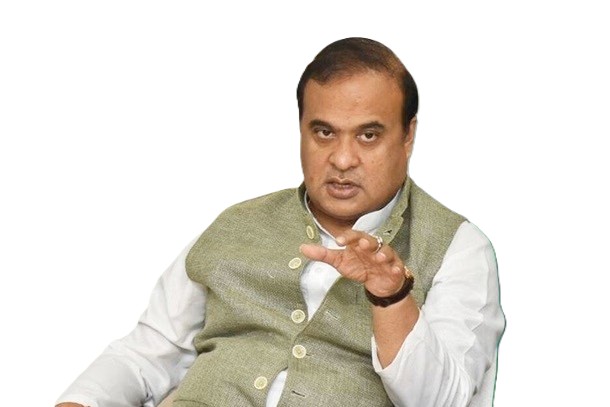
It is a shocking display of brazen hate mongering. A video posted by the official Assam BJP handle on February 8, 2026, depicted Chief Minister Himanta Biswa Sarma symbolically aiming a rifle “point-blank” at figures representing alleged “infiltrators”—an open reference to Bengali-origin Muslims, often derogatorily called “Miya” Muslims in Assam. The AI-generated or edited clip, which quickly went viral, showed the Chief Minister in a firing stance amid imagery evoking violence against this community. Attracting nationwide outrage, the BJP hurriedly withdrew the video, but the damage was done. Opposition parties, including Congress and TMC, condemned it as a “call to genocide” and the “face of fascism.” Yet, as with Sarma’s long history of anti-Muslim rhetoric, no meaningful action has followed from law enforcement, the courts, or the Union government.
This incident is not isolated but part of a worrying pattern. Sarma has repeatedly used his constitutional office to demonize Assam’s Bengali-origin Muslims, portraying them as demographic threats, land grabbers, and illegal Bangladeshi migrants. In January 2026, he defended remarks encouraging authorities to “trouble Miyas” to drive them out, citing alleged infiltration. He has claimed it is his duty to “make them irrelevant” in certain areas and linked the community to higher child marriage rates or polygamy in targeted crackdowns. Earlier statements include warnings about “Miya vendors” under a Congress government and accusations of land jihad. Activists like Harsh Mander have filed complaints, and intellectuals have petitioned the Gauhati High Court and Supreme Court, highlighting how such speech traumatizes lives and normalizes hatred. Despite this, Sarma continues unchecked, emboldened by impunity.
Legally, Sarma’s actions constitute clear violations of the Bharatiya Nyaya Sanhita (BNS), 2023, which replaced the Indian Penal Code. Section 196(1)(a) criminalizes promoting enmity between groups on grounds of religion, race, place of birth, residence, language, etc., through words, signs, or visual representations, punishable by up to three years’ imprisonment, fine, or both. Subsection (1)(b) covers acts prejudicial to harmony. The viral video, with its violent imagery targeting a specific community, directly falls under this—inciting fear and hatred via visual propaganda. Sarma’s repeated references to “Miya Muslims” as outsiders foster enmity on grounds of place of birth and language (Bengali). Additionally, such statements could attract Section 353 (statements conducing to public mischief) or equivalents for outraging religious feelings, echoing old IPC Sections 153A, 505(2), and 295A.
Beyond criminal law, Sarma has violated his oath under the Third Schedule of the Constitution, swearing to bear true faith and allegiance to India’s sovereignty and to uphold its secular fabric. The Preamble’s emphasis on fraternity and Articles 14-15 guaranteeing equality are undermined when a Chief Minister weaponizes state power for communal targeting—eviction drives, demographic surveys, and police action disproportionately affect Muslims. This is not governance; it is abuse of power to polarize for electoral gains ahead of elections.
Why, then, the deafening silence from authorities? The answer lies in political patronage. Sarma is a key BJP leader in the Northeast, delivering electoral victories for the party. The Union government, led by the same party, has shown eagerness to invoke draconian laws like the UAPA and NSA against dissenters, journalists, activists, and opposition figures for far lesser “offences”—often mere social media posts or protests. Yet, when it comes to its own, selective blindness prevails. No FIRs, no investigations, no central directives to Assam police. The Governor, a central appointee, remains mute, unlikely to recommend President’s Rule or dismissal despite constitutional violations.
The judiciary’s inaction is equally troubling. Despite Supreme Court guidelines from cases like Tehseen Poonawalla v. Union of India (2018) mandating swift action against hate speech, and recent petitions urging suo motu cognizance, courts have hesitated. Complaints pile up—from Harsh Mander’s police filings to citizens’ letters to the Gauhati High Court—but progress is glacial. Critics argue this reflects broader erosion: when hate comes from those in power, institutional safeguards falter. The Supreme Court’s silence on Sarma’s repeated transgressions raises questions about equal application of law.
Sarma should be dismissed forthwith. Under Article 164, Chief Ministers hold office at the Governor’s pleasure, and grave misconduct threatening constitutional values justifies removal. Precedents exist for central intervention in cases of governance failure. Allowing him to continue normalizes communalism, erodes secularism, and endangers minorities. His actions have already traumatized communities, fueled violence fears, and divided Assam along religious lines—all for political mileage.
India’s democracy cannot afford such blatant abuse of power with impunity. Himanta Biswa Sarma’s communal crusade is blight on the Constitution he swore to protect. The Union government, courts, and Governor must act—not with silence, but with accountability—to safeguard the nation’s soul from hate-mongers in high office.