


Our Political Bureau
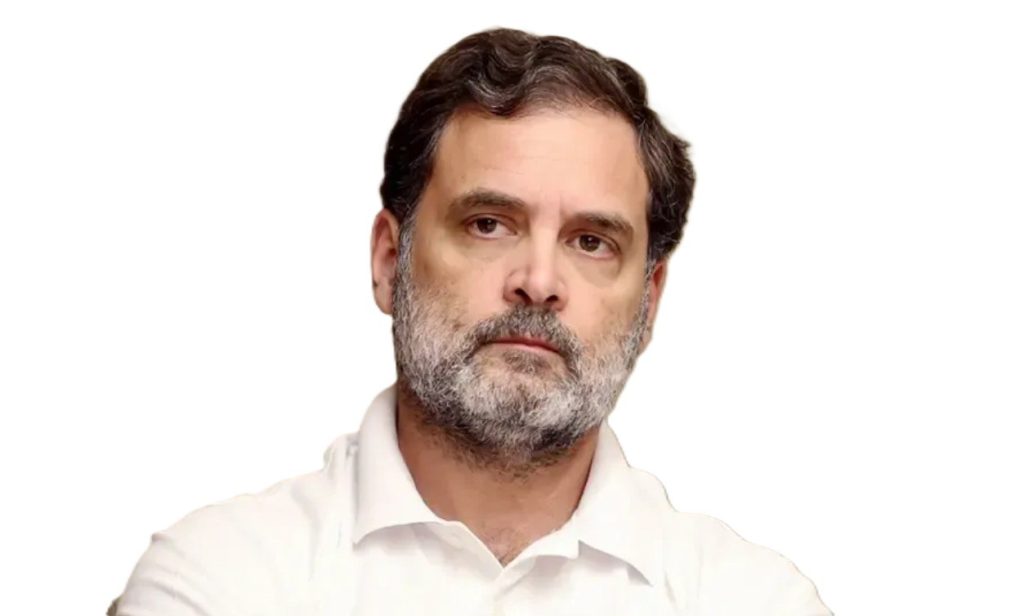
New Delhi: In a blistering press conference dubbed “The H Files,” Leader of Opposition Rahul Gandhi unleashed what he termed a “Hydrogen Bomb” on the Bharatiya Janata Party (BJP) and the Election Commission of India (ECI), accusing both of them orchestrating a massive voter fraud scheme that “stole” the Haryana assembly elections from the Congress party. Speaking from the Congress headquarters in Delhi, Gandhi presented a dossier of evidence claiming over 25 lakh bogus entries in the voter rolls, including the surreal case of a Brazilian model’s photograph being used to cast 22 votes across 10 polling booths under multiple aliases. The revelations, timed just a day before crucial Bihar assembly polls, have ignited a firestorm, with opposition allies rallying behind Gandhi while the BJP and ECI dismissed the claims as “baseless” and politically motivated.
The ‘H Files’: A Pattern of Systematic Manipulation
Gandhi’s hour-long address painted a picture of a “centralized operation” to rig elections, drawing parallels to alleged irregularities in Karnataka’s Mahadevapura and Aland constituencies. He alleged that the BJP, in collusion with the ECI’s Chief Election Commissioner (CEC) and two commissioners, inflated voter lists with duplicates and fictitious names to flip results in the BJP’s favor. In Haryana, where the BJP secured a narrow victory with 48 seats against Congress’s 38, Gandhi claimed these manipulations accounted for a staggering 35 lakh anomalies—enough to swing the outcome by over 22,000 votes.
At the heart of the exposé was the bizarre “Brazilian model” case. Gandhi displayed documents showing the image of an unidentified woman from Brazil—described as a model—appearing 22 times in the electoral rolls of Haryana’s Nuh district. Under names like Seema, Sweety, and Rashmi, this single photo was linked to votes cast in 10 different booths, spanning multiple constituencies. “What is a Brazilian woman doing on Haryana’s electoral list? There’s clearly a reason behind it,” Gandhi thundered, suggesting it was part of a broader factory-like system producing fake voter IDs. He further alleged that similar tactics involved photos of deceased individuals, like Saddam Hussein, and even “House Zero”—a reference to unidentified or ghost households.
Gandhi outlined 10 key points in his “H Files,” including:
Massive Duplicates: Over 5.21 lakh repeated voter entries, with some IDs linked to 20+ votes.
CCTV Tampering: Polling station footage allegedly erased or inaccessible, following recent amendments to election rules that restricted public access to such records.
Voter List Inflation: Sudden additions of 25 lakh names post-scrutiny, disproportionately benefiting BJP strongholds.
Foreign Intrusions: Non-Indian images and names inserted systematically, hinting at outsourced fraud operations.
Narrow Margins: BJP’s wins in 12 seats decided by less than 1,000 votes, all allegedly propped up by fakes.
“This is not just vote theft; it’s an attack on democracy itself,” Gandhi declared, vowing to release more evidence soon and urging the Supreme Court to intervene. He framed the Haryana polls—held in October 2024—as a “stolen mandate,” where exit polls had predicted a Congress sweep but results delivered a BJP hat-trick.
ECI and BJP Strike Back: ‘Baseless’ and ‘Defamatory’
The ECI responded swiftly, holding a counter-press conference hours after Gandhi’s address. Officials revealed that the Congress had filed zero objections during the voter roll revision process or at polling stations, despite multiple opportunities. “No appeals were made post-elections either,” an ECI spokesperson stated, challenging Gandhi to provide verifiable proof rather than “unsubstantiated allegations.” The Commission also clarified that ongoing clean-ups had removed 18 lakh deceased voters and duplicates, but none matched Gandhi’s scale.
The BJP, equally vehement, accused Gandhi of colluding with “anti-India forces” to defame the nation ahead of Bihar. Union Minister Kiren Rijiju labeled it an “attempt to play games” and tarnish India’s global image, while BJP MP Yogendra Chandolia mocked Gandhi’s “mental balance,” pointing to the party’s history of flip-flopping accusations—from “cutting votes” to “adding fakes.” Haryana BJP chief and Chief Minister Nayab Saini, in his first public remark, dismissed the claims as “sour grapes,” emphasizing the mandate’s legitimacy.
Critics within the BJP ecosystem on social media echoed this, with users questioning why Congress didn’t raise alarms during the polls and accusing Gandhi of staging drama for relevance.
Opposition Rallies: AAP, NCP Join the Fray
Gandhi’s allegations found immediate backing from INDIA bloc allies. Aam Aadmi Party (AAP) leader Saurabh Bharadwaj declared “fraud is in BJP’s DNA,” pledging support for a joint investigation. NCP (Sharad Pawar) MP Supriya Sule lamented the ECI’s “lack of transparency,” noting even BJP allies had flagged voter list issues in Maharashtra. Congress workers across states, from Karnataka to Maharashtra, amplified the narrative online, with hashtags like #VoteChori and #HydrogenBomb trending on X.
Transparency activist Anjali Bhardwaj demanded ECI accountability, questioning how “obvious duplicates” evaded detection and criticizing rule changes blocking access to polling documents. On X, users like Gurmehar Kaur urged focus on domestic democratic erosion over international inspirations.
As Bihar votes after two days, on November 6, Gandhi’s exposé casts a long shadow over the ECI’s credibility. The timing—mere months after similar claims in Maharashtra and Punjab—suggests a growing opposition push for electoral reforms, including mandatory VVPAT audits and digital voter verification. Legal experts note the Supreme Court could take suo motu cognizance, especially given recent high court orders on Haryana records.
Yet, skeptics argue the lack of contemporaneous complaints undermines the claims’ weight. BJP supporters on X portrayed it as a desperate ploy by a resurgent but frustrated Congress.
Gandhi concluded his address with a call to action: “The people of India will not tolerate this theft. We will fight until every vote is counted fairly.” Whether this “hydrogen bomb” detonates into systemic change or fizzles as political theater remains to be seen—but for now, it’s redefining the battle lines ahead of Bihar and beyond.