


By Zuber Dhanani, Managing Director, Sayaji Realty
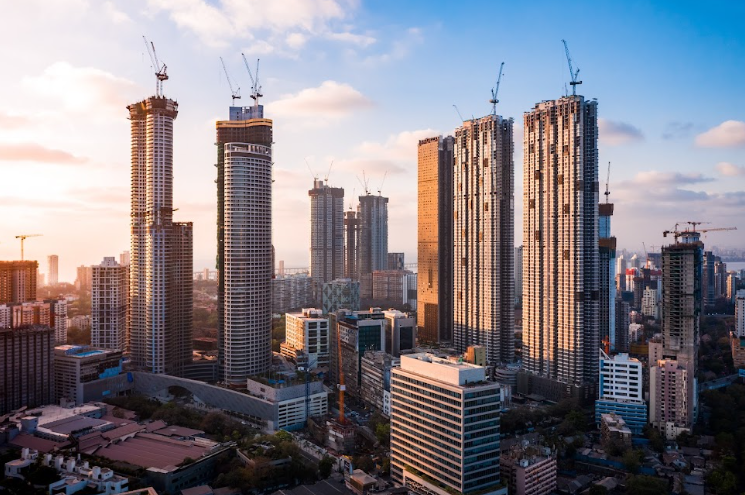
Redevelopment of societies has moved from the margins of Mumbai’s property market to the centre of its urban growth story today. For decades, it was viewed largely as a response to ageing buildings. But with few large land parcels available in established locations, the city’s next generation of homes, workplaces, and neighbourhood infrastructure has begun to emerge from already occupied land. This has changed the role of redevelopment from being a simple mechanism of replacing ageing building to improving urban efficiency and preparing Mumbai for its next growth phase.


This shift is well demonstrated in the western suburbs. Neighbourhoods like Juhu, Vile Parle, Khar, Bandra, and Pali Hill & its vicinity are already among Mumbai’s most established residential and commercial locations. Vile Parle East is a prime example of a location that benefits from the city’s strong social infrastructure, access to employment zones, proximity to the airport, and deep cultural identities. The residential streets, local markets and neighbourhood institutions add to the area’s strong sense of community. A good example is set at Park Road that reflects its quieter side, offering the familiarity of an established residential setting. There are several buildings in these areas that were constructed decades ago and are no longer aligned with present-day expectations of safety, accessibility, sustainability, and quality of living.
Redevelopment is an opportunity to fix these gaps without displacing the character that makes each neighbourhood distinctive. The objective should not be to erase the past and replace it with a standardised urban landscape. It should rather be to retain the strengths of established communities while equipping them with better buildings, improved infrastructure and more responsive public spaces. For this, redevelopment needs to be approached as an exercise in urban renewal rather than merely the reconstruction of individual sites.
The western suburbs are a strong example of the potential redevelopment offers. The entire belt has been able to combine residential stability with educational institutions, healthcare facilities, retail activity and excellent transport connectivity. Redevelopment within localities like Vile Parle can introduce better-planned homes, safer structures and improved parking, while also allowing residents to remain within familiar social settings. It can also help reorganise congested plots, upgrade utilities and create more efficient circulation within developments. Juhu presents a different opportunity. Known primarily as an affluent residential and cultural district, it has the potential to accommodate carefully planned Grade A office spaces.
Smaller, high-quality commercial developments can cater to media, entertainment, professional services and creative businesses that value proximity to talent, the airport and the western suburban residential base. Such offices need not overwhelm the neighbourhood when sensitively designed. They can broaden the micro-market’s economic role while cutting down the need for long commutes to conventional business districts.
Redevelopment in Bandra and the areas near Pali Hill require an equally context-sensitive approach when it comes to appeal. They offer a combination of location, community, architecture and street-level vibrancy. These neighbourhoods must therefore go beyond maximising built-up area. Design, building proportions, traffic management, privacy, landscaping and the relationship between a project and its surroundings matter. A successful development must contribute to the neighbourhood rather than function as a structure in isolation.
Eventually, the quality of redevelopment also depends on how well projects respond to changing lifestyles. Homes must have flexible layouts, natural light, ventilation, accessibility for older residents and spaces that support work, leisure and family life. Buildings require reliable services, efficient waste management, water conservation, energy-conscious design and durable materials. These are no longer premium additions, but fundamental to creating developments that can remain relevant for several decades.
The same thinking must extend beyond the building boundary. Mumbai cannot realise the full benefits of redevelopment if additional density is introduced without corresponding improvements in roads, drainage, pedestrian infrastructure, public transport and civic services. Developers, planning authorities and local bodies must work with a shared plan of improving neighbourhood capacity. Project approvals and infrastructure planning need to be coordinated in a manner that redevelopment strengthens, rather than strains, the surrounding urban environment.
Another essential part of the process is trust. Redevelopment directly affects homes, savings, and community relationships built over generations. Residents seek clarity on timelines, approvals, financial arrangements, temporary accommodation, and the specifications of their new homes. Developers must communicate consistently and treat housing societies as long-term partners. Transparency is not only a matter of compliance but also determines whether redevelopment can progress smoothly and retain public confidence.
Mumbai’s redevelopment journey will also have to move away from fragmented thinking. When several adjoining buildings are ageing, cluster-based planning can sometimes deliver better outcomes than isolated redevelopment. This will allow improved access, more coherent open spaces, better parking arrangements and rationalised infrastructure. Although such projects are more complex to execute, they can produce substantially greater benefits for both residents and the city.
The western suburbs along with the eastern and south Mumbai belt will remain central to Mumbai’s growth because they combine established neighbourhoods with improving connectivity and sustained demand. Their future, however, cannot depend only on adding more floor space. It must be shaped by developments that respect local identity, respond to infrastructure constraints and improve everyday urban life.
Ultimately, redevelopment projects should be judged not by how much has been rebuilt, but by what has been made better. Safer homes are essential, but so are resilient buildings. Efficient neighbourhoods, trusted processes and a healthier balance between residential and commercial activity must emerge. If Mumbai adopts this wider perspective, redevelopment can become one of its most effective instruments for creating a more liveable, sustainable and future-ready city.