


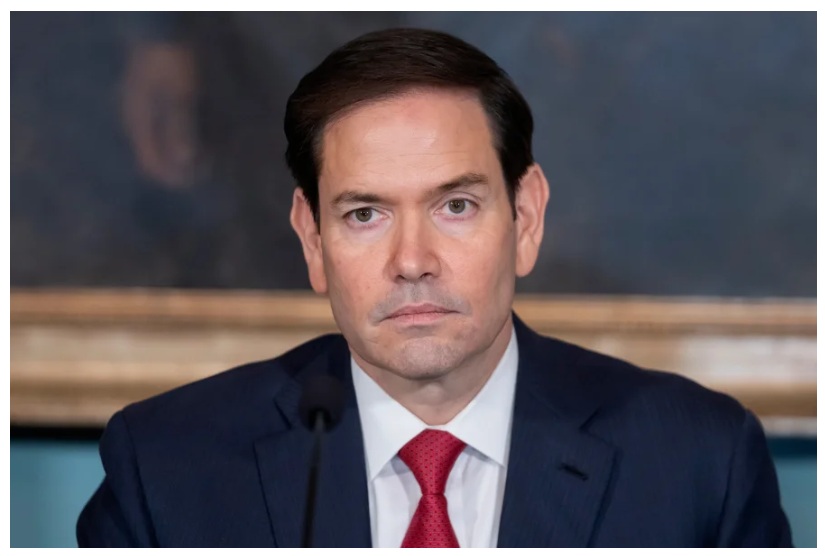
Mumbai: Marco Rubio has arrived in India, but he is not going to New Delhi. The US Secretary of State is spending his time in Mumbai and Jamnagar instead, where the conversation is about oil, refining capacity, and what a private Indian company can offer American energy plans.
The key stop is Jamnagar in Gujarat, home to Reliance Industries’ giant refining complex. It is the world’s largest single-site refinery and can process 1.4 million barrels of crude a day. Rubio is expected to visit the facility and meet senior executives from the company, most likely including Chairman Mukesh Ambani. US officials have been open that this trip is more about business than protocol.
Washington has practical reasons for the detour. Reliance already buys large amounts of American ethane under long-term contracts. It has also become a major buyer of Venezuelan heavy crude after the US took control of those sales. In March, President Trump publicly thanked Reliance for its role in a planned new refinery in Brownsville, Texas, describing it as the first significant US refining project in fifty years. From the American side, Jamnagar is no longer just an Indian industrial site. It is a place that can process the crude Washington wants to move and a company that has already committed money to US energy projects.
Rubio has spoken plainly about the logic. He noted that energy is tied to national security and that it makes sense to sit down with companies that have serious refining strength. He also acknowledged that India has been trying to cut its reliance on Russian oil, even if that shift cannot happen overnight. The underlying message is clear: America wants closer energy cooperation with India and more Indian investment in the United States. Reliance is the private-sector partner already positioned to deliver both.
For New Delhi, the real test is whether it can turn this interest into wider gains. Reliance’s refining muscle and its growing American ties give India a usable card. The company can help process Venezuelan oil under US oversight, take more American feedstock, and follow through on the Texas investment. Those commercial facts are already on the table. The harder task is linking them to progress on trade talks, steadier energy supplies, and fewer political frictions.
Private companies cannot settle government-level disagreements, but they can keep things moving when official channels slow down. Rubio’s choice of Jamnagar over the capital shows how much weight Washington now places on this kind of private capacity. Whether Indian policymakers can use that weight deliberately, rather than simply react to it, will decide how much the country actually gets from the visit.