


By Salini T S (adv.salinimavoor@gmail.com)
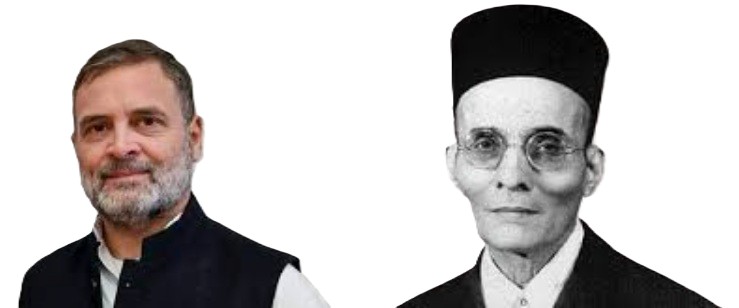
In a dramatic twist in the long-running criminal defamation case filed by Satyaki Savarkar (grandnephew of Vinayak Damodar Savarkar) against Congress leader Rahul Gandhi, the Pune special MP/MLA court witnessed key admissions under oath on May 2, 2026. During cross-examination, Satyaki acknowledged several contentious aspects of his granduncle’s record—including the filing of five mercy petitions (often derided by critics as “apology letters”) to the British while in Cellular Jail.
These petitions, written between 1911 and 1920, included offers to abstain from politics and serve the British government in exchange for release or better conditions. In them, Savarkar reportedly signed off in deferential terms such as “Your most obedient servant.” Historians across the spectrum confirm their existence; while supporters frame them as strategic moves common among political prisoners under harsh conditions, critics—including Rahul Gandhi—have long labeled them as evidence of compromised loyalty.
Satyaki further admitted that Savarkar viewed the cow as a “useful animal” rather than a divine entity, encouraged Indian recruitment into the British Army during World War II (presented as a pragmatic step toward future independence), and that the title “Swatantryaveer” was not officially conferred by any government but popularized through biographies. He also acknowledged that Savarkar was named an accused in the Mahatma Gandhi assassination case before being discharged.
The Core Allegation: Did Rahul Gandhi Defame Savarkar?
The suit originates from Rahul Gandhi’s March 2023 speech in London, where he allegedly claimed Savarkar wrote in a book about him and 5-6 friends beating a Muslim man and feeling happy about it—labeling it cowardice linked to an ideology. Satyaki and the complaint assert no such book or incident exists, with historical records failing to corroborate the specific anecdote as a direct quote from Savarkar’s writings. If fabricated or unsubstantiated, this could constitute defamation under Indian law (Sections 499/500 IPC), which penalizes false statements harming reputation, punishable by up to two years’ imprisonment.
Broader elements of Gandhi’s speech—referencing “Maafiveer” (apology-seeking hero) tropes and Savarkar’s interactions with the British—draw directly from the documented mercy petitions/apology letters and other historical facts, though often delivered with sharp political rhetoric.
Evidentiary challenges have plagued the case: CDs of the speech were reportedly blank or unplayable at times, leading to disputes over YouTube links. Rahul Gandhi has pleaded not guilty, with the proceedings marked by delays, perjury applications, and mutual security concerns.
Truth as a Defense and Political Dimensions
Many of Gandhi’s critiques align with verifiable history. The five mercy petitions are undisputed facts, as confirmed by Satyaki himself in court. Savarkar’s rationalist stance on the cow is drawn from his writings, contrasting with later Hindutva emphases. These admissions, made by the complainant under oath, strengthen the “truth” defense while undermining attempts to present an unchallenged, sacralized legacy.
The case carries clear political overtones. Filed amid BJP-Congress tensions, it elevates Savarkar—a polarizing figure revered by the Sangh Parivar as a Hindutva pioneer but criticized for his communal writings, petitions, and acquittal in the Gandhi assassination trial. Rahul Gandhi’s repeated targeting of Savarkar (Maafiveer remarks, Godse links) serves as counter-narrative to BJP’s historical project, appealing to secular and minority constituencies.
Criminal defamation suits remain a favored tool in India’s political arsenal for harassment, resource drain, and optics. Yet dismissing it as “purely political” overlooks Satyaki’s legitimate familial stake. If the specific assault anecdote was invented, legal recourse is justified. Public figures cannot fabricate personal scandals with impunity.
Critical Assessment: History Wars Over Courtroom Drama
This case epitomizes India’s toxic history wars. Savarkar was a complex figure—a revolutionary who turned ideologue, prolific writer, Hindutva proponent, and pragmatic (or opportunistic) petitioner. The mercy petitions/apology letters do not erase his contributions to independence literature or Hindu nationalist thought, nor do they justify whitewashing. Conversely, Rahul Gandhi’s rhetoric sometimes prioritizes punchy soundbites over precision; attributing unverified personal violence dilutes valid critiques of documented positions on Muslims, militarism, and clemency appeals.
Indian courts should prioritize evidence and truth over sentiment. The Pune proceedings, with their startling admissions, expose the pitfalls of treating historical figures as electoral totems rather than fallible humans. Rigorous historiography—not perpetual litigation—would serve both sides better. As of May 2026, with cross-examination ongoing, the case remains another episode in India’s endless political theater.
*The author is a practicing lawyer in the High Court of Kerala