


From Our Correspondent
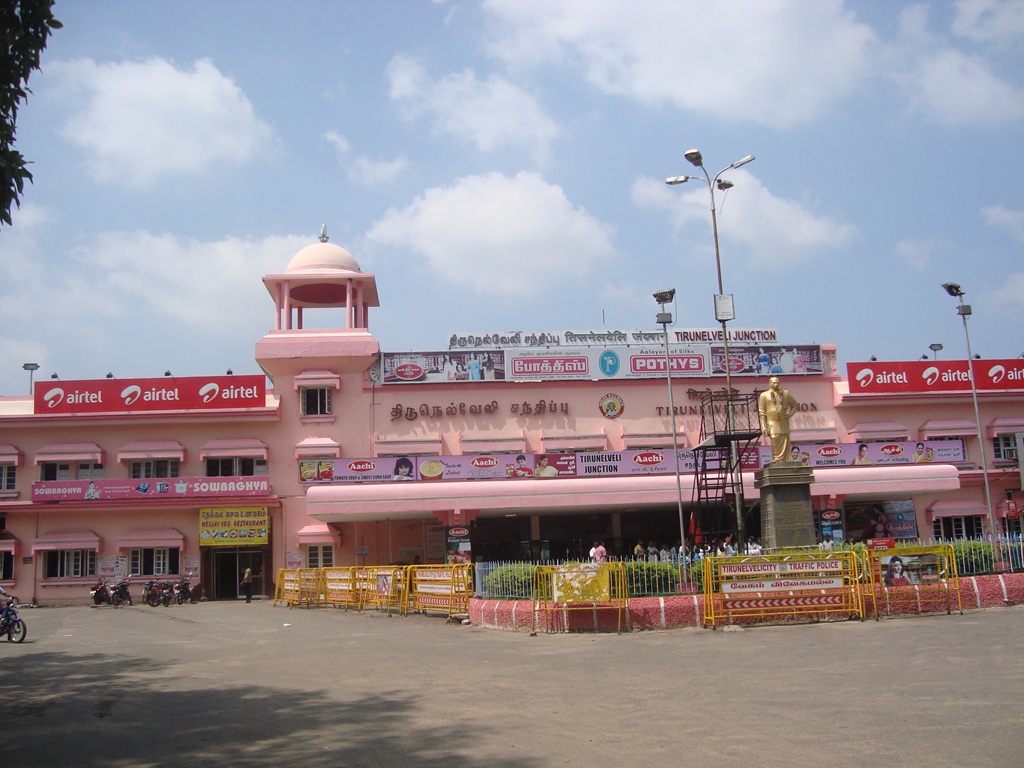
Thiruvananthapuram: Indian Railways, the public carrier built to connect and serve millions of ordinary citizens, has once again placed its own infrastructure timetable above the daily lives of the very people it exists to facilitate. In yet another instance of what has become an all-too-familiar routine, several essential passenger and express trains have been fully cancelled for multiple days due to yard remodelling works at Tirunelveli Junction. The disruptions, effective from today (26 June 2026) through early July, will leave thousands of rail-dependent passengers in southern Tamil Nadu and Kerala scrambling for alternatives — or simply abandoning their plans.
According to the latest advisory issued in connection with traffic regulations for the ongoing yard remodelling at Tirunelveli, the following services stand fully cancelled:
- Train No. 56707 Kanniyakumari–Tirunelveli Passenger (scheduled to leave Kanniyakumari at 18:25 hrs) on 26th, 27th, 28th and 29th June 2026.
- Train No. 56708 Tirunelveli–Kanniyakumari Passenger (scheduled to leave Tirunelveli Jn at 07:05 hrs) on 26th–30th June 2026.
- Train No. 16729 Madurai–Punalur Daily Express (scheduled to leave Madurai Jn at 23:15 hrs) on 26th–29th June 2026.
- Train No. 16730 Punalur–Madurai Daily Express (scheduled to leave Punalur at 17:15 hrs) on 27th–30th June 2026.
- Train No. 56102 Nagercoil–Kollam Daily Passenger (scheduled to leave Nagercoil Jn at 06:25 hrs) on 27th–30th June 2026.
- Train No. 56101 Kollam–Nagercoil Daily Passenger (scheduled to leave Kollam Jn at 15:35 hrs) on 27th–30th June 2026.
- Train No. 22621 Rameswaram–Kanniyakumari Superfast (scheduled to leave Rameswaram at 20:50 hrs) on 27th and 29th June 2026.
- Train No. 22622 Kanniyakumari–Rameswaram Superfast (scheduled to leave Kanniyakumari at 23:00 hrs) on 28th and 30th June 2026.
- Train No. 16322 Coimbatore–Nagercoil Daily Express (scheduled to leave Coimbatore Jn at 08:00 hrs) on 1st July 2026.
- Train No. 16321 Nagercoil–Coimbatore Daily Express (scheduled to leave Nagercoil Jn at 08:00 hrs) on 30th June 2026.
These are not luxury or occasional services. Many are humble daily passenger trains — the backbone of travel for students, daily wage workers, small traders, patients travelling for treatment, and families visiting relatives across the Tamil Nadu–Kerala border. The Nagercoil–Kollam passenger, in particular, has long been a lifeline for people in southern Tamil Nadu and northern Kerala districts who depend on its affordable, predictable timings. Its cancellation for four consecutive days will force hundreds onto overcrowded buses or expensive private transport, or compel them to cancel essential journeys altogether.
The Madurai–Punalur Express, serving pilgrims, tourists and locals travelling into the scenic Kerala hinterland, faces similar disruption. Even the Rameswaram–Kanniyakumari Superfast and the long-distance Coimbatore–Nagercoil Express — services that connect major pilgrimage centres and inter-district commuters — are not spared.
This is not an isolated event. Yard remodelling at Tirunelveli, part of the larger Vanchi Maniyachchi–Nagercoil doubling project, has already triggered widespread changes since mid-June, with reports indicating that more than 65 train services have faced full or partial cancellations, short terminations, diversions or rescheduling over nearly three weeks. What was once an occasional inconvenience has now become a routine affair for the railway administration in the region.
The deeper problem lies not in the need for infrastructure upgrades — doubling and modernisation are undeniably necessary — but in the callous and repetitive manner in which they are executed. Passengers receive short-notice advisories, are offered little in the way of meaningful alternatives, and are expected to quietly absorb the financial and emotional costs. Daily wagers lose income. Students miss classes. Medical appointments get postponed. Families travelling for weddings, funerals or emergencies are left stranded. In a country where rail remains the most affordable and accessible mode of long-distance transport for the common citizen, such repeated disruptions amount to a quiet but persistent betrayal of public trust.
Indian Railways often speaks of passenger-centric reforms and world-class infrastructure. Yet when the very process of creating that infrastructure repeatedly punishes the poorest and most dependent users, one is forced to ask: progress for whom? Planning that consistently places engineering convenience above human convenience is not progress — it is institutional indifference dressed up as development.
The railway authorities owe the travelling public more than a list of cancelled trains. They owe transparent advance planning, properly phased works that minimise full cancellations, coordinated alternative transport arrangements (special buses or temporary services on viable routes), and genuine accountability when repeated failures cause widespread hardship. Until such basic passenger care becomes non-negotiable, announcements like the one issued for Tirunelveli will continue to read less like necessary maintenance notices and more like routine notices of public inconvenience — served by an organisation that was built to serve the public, not the other way around.
For now, passengers in Kanniyakumari, Tirunelveli, Nagercoil, Kollam, Punalur, Madurai and beyond have no choice but to adjust, absorb the losses, and hope their next essential journey is not the next one to be declared “cancelled due to traffic regulations for yard remodelling works.”