


By Nanditha Subhadra
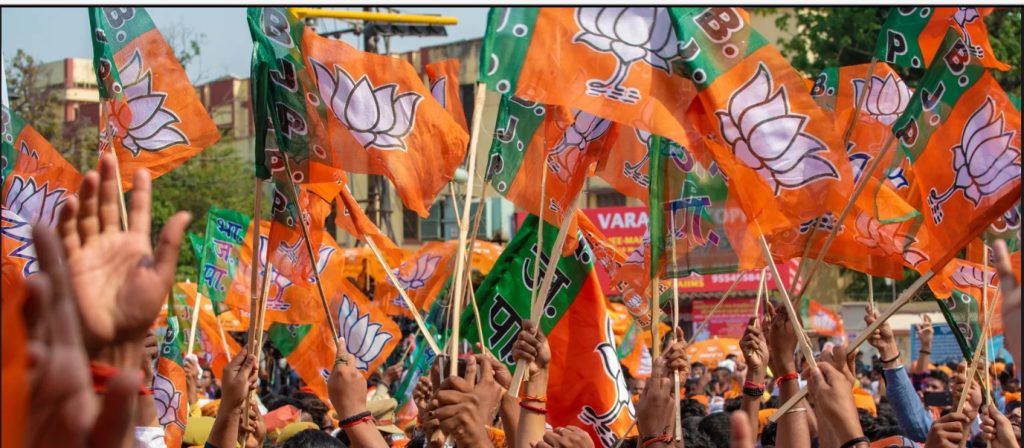
Despite its triumphant trek north of the Vidhyas, the Bharatiya Janata Party (BJP) juggernaut is conspicuously stalled at the gates of Kerala, the Gods Own Country. Despite its relentless efforts and a symbolic breakthrough with the Thrissur Lok Sabha seat in 2024, the party remains a peripheral force in a state known for its high political consciousness. The BJP’s struggle is not a simple case of electoral misfortune; it is a profound failure of leadership, strategy, and ideological connection, exacerbated by an internal culture often perceived as arrogant and out of touch with the very electorate it courts.
At the heart of the BJP’s challenge is a fundamental misalignment between its core ideology and Kerala’s unique social fabric. The state’s demographic reality, with nearly 45% of its population belonging to minority Muslim and Christian communities, presents a formidable obstacle to a party whose platform is perceived as Hindutva-centric. Instead of building bridges, the party’s leadership often harps on divisive issues like “love jihad” and the Sabarimala controversy. For a highly literate and historically secular society, this strategy is not just ineffective; it is actively alienating. It reinforces the perception of the BJP as a communal force, a narrative expertly leveraged by its rivals. This is further compounded by its stance on beef—a political non-starter in Kerala where consumption is a cultural norm across communities—and its enduring image as a “Hindi party” imposing a North Indian agenda.
Compounding this ideological disconnect is the seemingly insurmountable fortress of Kerala’s bipolar politics. For decades, the state has been dominated by two powerful alliances: the Left Democratic Front (LDF) and the United Democratic Front (UDF). This entrenched duopoly has created a political culture where voters are accustomed to choosing between two established alternatives. A third force requires not just a different message, but a universally acceptable and charismatic leader to break this cycle. The BJP in Kerala suffers from a critical vacuum in this regard, lacking a leader with the stature and mass appeal of a Pinarayi Vijayan or a seasoned UDF stalwart.
This leadership vacuum is not an accident but a direct consequence of the party’s internal rot. The Kerala BJP unit is notoriously crippled by factionalism and infighting, creating a culture of rebellion that cripples the organization at crucial moments. The party’s isolated victories in local body elections, most notably its capture of the Thiruvananthapuram Corporation, were meant to showcase its governance capabilities. Instead, they have become a stark illustration of its incompetence. The BJP mayor’s administration’s miserable failure in organizing a neat and clean Attukal Pongala—one of the world’s largest annual gatherings of women—has drawn the public’s wrath. This logistical and cultural misstep was more than just a bad event; it was seen as an insult to a cherished tradition, perfectly embodying the perception of an arrogant and politically immature leadership unable to connect with the pulse of the people.
In conclusion, the BJP’s struggle in Kerala is a case study in political myopia. While the state’s demographic structure and bipolar political system are significant hurdles, they are not insurmountable. The primary failure lies within. A party plagued by incompetent leadership, riven by internal groupism, and clinging to a divisive narrative has simply failed to earn the trust of the Kerala electorate. The Thiruvananthapuram Corporation’s failure with the Attukal Pongala serves as a microcosm of this larger malaise. Without a radical overhaul of its leadership, a move towards inclusive and competent governance, and the emergence of leaders who are genuinely rooted in local ethos, the BJP will remain a perennial fringe player in God’s Own Country, its national ambitions perpetually checked by its own local failures.