


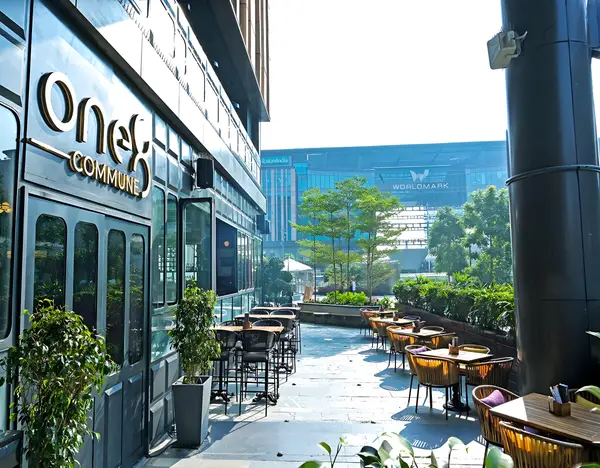
The restaurant industry in India has evolved into one of the largest and most dynamic sectors in India. It is being influenced by changing lifestyle of consumers, increasing disposable income and a preference for dining out. The National Restaurant Association of India (NRAI) estimates that this sector directly employs over 8.5 million people and generates over ₹5.69 trillion annual turnover, making it the third largest service industry after retail and insurance. As restaurant brands continue to expand across established and emerging markets, the focus is gradually shifting from simply increasing footprint to creating differentiated, experience-led destinations.
Expansion is no longer simply about increasing the number of outlet. It has moved away from the one-size-fits-all strategy. Expanding new outlets in different markets is important for the growth of a restaurant chain. However, it is important to recognize that each market is distinct in its dining culture. Product expansion goes beyond simply replicating a successful template; in order to succeed in new markets, it is crucial to adapt to local conditions.
The evolution of the dining experience in India may be another reason for this transformation. People now have more options from premium to casual, dining, chef led to regional cuisine specialty. With more choices, expectations become higher. Therefore, consumers are no longer just looking for food but spaces where they can collaborate, create memorable experiences and have a good time.
Commenting on this shift, Aditi Tihara, Senior Vice President, True Palate Hospitality, says, “As restaurant brands expand across India, one of the biggest lessons we’ve learnt is that growth cannot come at the cost of local relevance. Every city has its own dining culture, consumption patterns, and social behaviours, and understanding these nuances is critical to building a brand that truly resonates. While a strong brand identity provides consistency, successful expansion depends on the ability to thoughtfully adapt, whether through the guest experience, design elements or local collaborations. Consumers today are looking for brands that feel authentic to their city, not replicated from another market. The future of expansion lies in striking the right balance between maintaining a consistent brand ethos and creating experiences that reflect each destination’s unique character.”
As far as restaurant operators are concerned, this process of evolution has affected the business value chain, such as site selection and design of restaurants, advertising and establishing customer connect. Expansion strategies have become more dependent on local demographics and consumption habits, as well as cultural characteristics.
The way the restaurant industry is advancing indicates a larger shift that has taken place in consumer preferences. Going out for dinner no longer only a means to eat food; it has slowly transformed into an experience that revolves around the vibe, social atmosphere, culture and ambience of that place. Diners expect authenticity, they desire immersive experiences over generic meals. By anchoring menus to hyper-regional produce, restaurants and chefs are trying to create a narrative that highlights seasonal ingredients like mango, jamun, bamboo shoots etc. This helps foster deep emotional connections and culinary loyalty as well.
Today, localisation extends far beyond menu innovation. Brands are paying special attention to making localisation highly relevant across touchpoints such as concept development, design and creation of restaurants, art and cultural stories.
At the same time, localisation does not come at the cost of consistency. As brand identity, quality and service are the foundations of creating trust. The biggest challenge for food service operators is to keep a balance between core strengths and yet being flexible enough to offer services according to the local preferences.
As India’s restaurant industry enters its next phase of growth, scale alone will no longer define success. The brands that are likely to lead the next wave of expansion will be those that can combine operational consistency with a genuine understanding of local markets. In an increasingly diverse dining landscape, local relevance is no longer just a differentiator is becoming a business imperative.