


By Suresh Unnithan
“RSS is a revolutionary organization. Its contribution to the nation’s unity and integrity are unparalleled. The discipline and dedication of its volunteers inspire confidence in India’s future.”- Lok Nayak Jayaprakash Narayan
In the vibrant tapestry of India’s socio-cultural landscape, the Rashtriya Swayamsevak Sangh (RSS) stands as a beacon of unyielding resilience, undeterred by the relentless onslaught of its critics. Unshaken by adversity, the Sangh embodies the spirit of “when the going gets tough, the tough gets going,” thriving with remarkable growth both vertically and horizontally. As the most scrutinized organization in the nation, the RSS has not only endured but flourished, weaving a legacy of steadfast commitment and expansive influence.
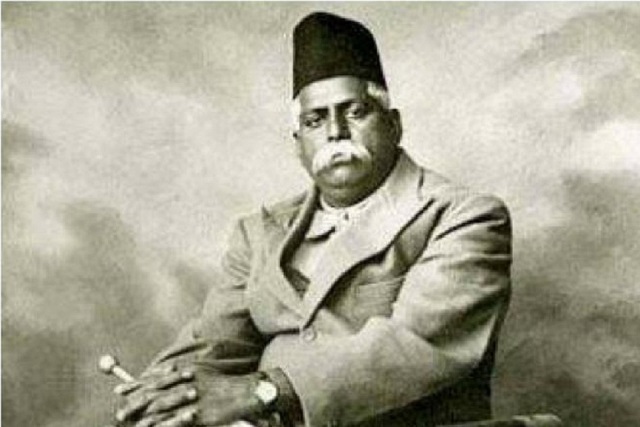
Founded on September 27, 1925 in Nagpur by Keshav Baliram Hedgewar, a qualified medical, this unique volunteer-driven organization, despite relentless political and ideological blitzes, grew globally with a presence that transcends national boundaries. As it enters its centenary year “the RSS continues to earn accolades for its humanitarian efforts during calamities, even as it faces baseless brickbats accusing it of fomenting communal tensions. This duality underscores the RSS’s unwavering commitment to human upliftment, proving that true service rises above fabricated narratives.”
From its inception, the RSS has faced severe challenges, including multiple bans and accusations designed to undermine its ethos. Banned thrice—in 1948 after Mahatma Gandhi’s assassination, in 1975 during the Emergency, and in 1992 post-Babri Masjid demolition—the organization was often implicated in crimes with no substantial evidence. The 1948 ban, for instance, stemmed from false conspiracy charges, but the Justice Kapur Commission later cleared the RSS of any involvement. Similarly, the 1992 ban was lifted after tribunals found no proof of unlawful activities. It was proved these charges were forged and fuelled by political adversaries, aimed to portray the RSS as a” divisive entity”, yet judicial scrutiny repeatedly exonerated it, allowing the Sangh to grow stronger.
It is absurd; those rebuking the Sangh have intentionally ignored to notice the “unparalleled humanitarian work, particularly during natural and man-made calamities. As the world’s largest volunteer organization with over 5 million members, the Sangh embodies disciplined charity, often being the first on the ground when disaster strikes.”
In fact, the RSS’s resilience has resulted in its envying expansion, with over 83,000 shakhas (branches) nationwide. This domestic growth is mirrored globally through the Hindu Swayamsevak Sangh (HSS), active in over 55 countries, promoting cultural education, community service, and disaster aid among the diaspora. From the United States to the United Kingdom and beyond. “As of March 2025, the Rashtriya Swayamsevak Sangh (RSS) reported a total of 83,129 daily shakhas, marking an increase of approximately 10,000 from the 73,117 recorded in March 2024. This expansion is part of the organization’s centenary preparations, with a goal to reach 100,000 shakhas and 10 million active Swayamsevaks by the end of its 100th year in September 2025. Including weekly milans (32,147) and monthly mandalis (12,091), the total operational units exceed 127,000 across 51,570 locations in India. Regionally, growth has been notable in areas like West Bengal (500 new shakhas added between 2023 and 2025) and Telangana.”
Expansion of the RSS is accomplished through a vast network known as the Sangh Parivar, comprising over 50 major organizations that extend its ideological and social work into various sectors like education, social service, tribal welfare, and more. “These affiliates are autonomous but aligned with RSS principles, often coordinating on initiatives.”
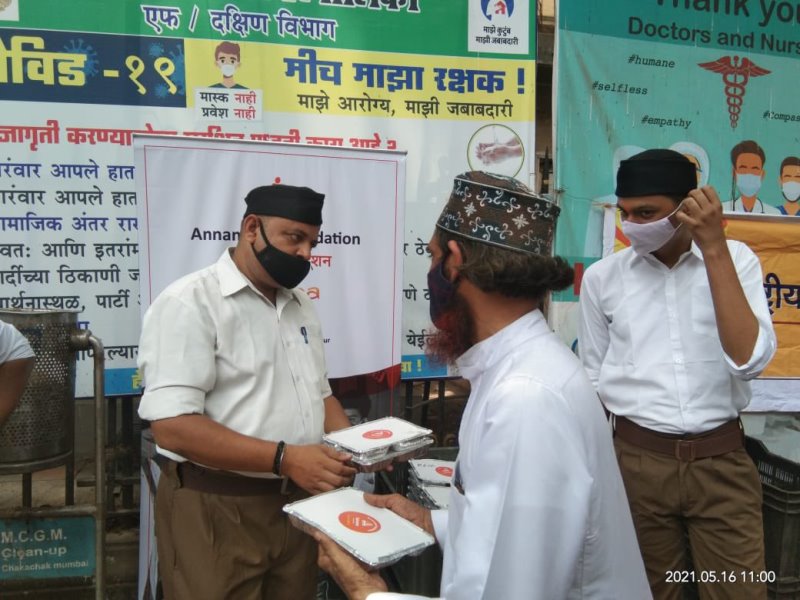
For instance, Seva Bharati is an apex body overseeing 972 organizations engaged in Social services, relief, education, rural development and health initiatives. “It runs over 14,801 centers for entrepreneurship and self-help; involved in 38,582 health-related units historically. Rashtriya Seva Bharati , the Umbrella organisation, has over 12,000 affiliated groups nationwide.”
Similarly, Vidya Bharati, another Parivar organisation, is promoting Value-based education through schools in rural and urban areas . “It is one of India’s largest private school networks with approximately 12,000 schools, educating millions of students with an emphasis on Indian cultural values.” The organisation also runs Ekal Vidyalayas (single-teacher schools) in remote areas promoting education among deprived in the remote, inaccessible parts of the country..
The next is Vanvasi Kalyan Ashram, dedicated for the prosperity of the neglected Tribal communities. The organisation focuses on the education, health, and cultural preservation for indigenous communities and it runs 20,026 projects across 14,166 locations. According to available data, as of now Kalyan Ashram has established over 3,511 self-help groups and 119 tailoring centres; focuses on over 10,000 tribal villages across the country.
Akhil Bharatiya Vidyarthi Parishad (student wing), Bharatiya Mazdoor Sangh (labor union), and Vishwa Hindu Parishad (VHP) are the other noted members of the Sangh Parivar. VHP has over 1 crore members worldwide and 30 lakh trained volunteers engaged in inculcating tradition and Culture among Hindus . “In total, the Sangh ‘s ecosystem supports around 1 lakh+ shakhas and involves up to 15 crore volunteers in various capacities.”
The Sangh’ s overseas expansion is remarkably handled by its international affiliate, the Hindu Swayamsevak Sangh (HSS). According to the latest available figures in the USA there are 146 shakhas, at least one in every State. United Kingdom: 84 shakhas . Nepal hosts the largest number of shakhas outside India.
Kenya was the country where the first overseas shakha was established, in 1947 in Mombasa, spreading to Tanzania, Uganda, South Africa, and Mauritius.
Five Middle Eastern countries have HSS units, with gatherings held in private homes due to restrictions on outdoor activities. In Finland the Sangh holds an “e-shakha” via video conferencing for areas without physical units, covering over 20 countries.
Other countries include Canada, Sri Lanka, Zimbabwe, and Mauritius, among others, where the HSS focuses on cultural and community engagement.
Unlike many organisations the expansion has never put pressure on RSS’s structure. It could be the only organisation in the country that has not split even after a century of existence, but expanded beyond boundaries. No leadership tussle, no ideological conflicts from within. However, the critics believe the organisation’s “strictly enforced discipline” could be the prime binding force for the “artificial unity and there is no room for dissenting. The leader commands and the cadre obeys.”
Disputing this observation a senior RSS adherent and a former pracharak (dedicated full – time worker) who spent many years in the North-Eastern region, said “the binding force of the sangh is not the discipline, but dedication of its swayamsevaks and their and unwavering nationalism (rashtra bhakti).” He further explained, “At the heart of the RSS’s philosophy is the strength of character marked by discipline, integrity, and dedication to society and that defines a swayamsevak.”
According to Dr Naveen Joshi, a senior journalist from Bhopal who has been closely following the Sangh “the Rashtriya Swayamsevak Sangh (RSS) embodies unparalleled discipline, where dedicated swayamsevaks selflessly serve society, believing that Manava Seva is Madhava Seva (service to humanity is service to almighty). Their strength lies in unwavering commitment, unity, and tireless efforts to uplift communities through social service.”
Summarising the philosophy RSS late Bhaskar Rao, the first RSS state pracharak who was instrumental in the growth and expansion of Sangh in Kerala (Kerala tops in number of sakhas in the country) had once said, “at the heart of the RSS is its man-making mission, a philosophy inspired by Hedgewar’s belief that a strong nation requires disciplined, patriotic individuals. This mission focuses on (vyakti nirman (character development) to create selfless leaders who prioritize societal good over personal gain. The RSS views this as essential for “nation-building,” drawing from Hindu scriptures and emphasizing values like discipline, unity, and service.”
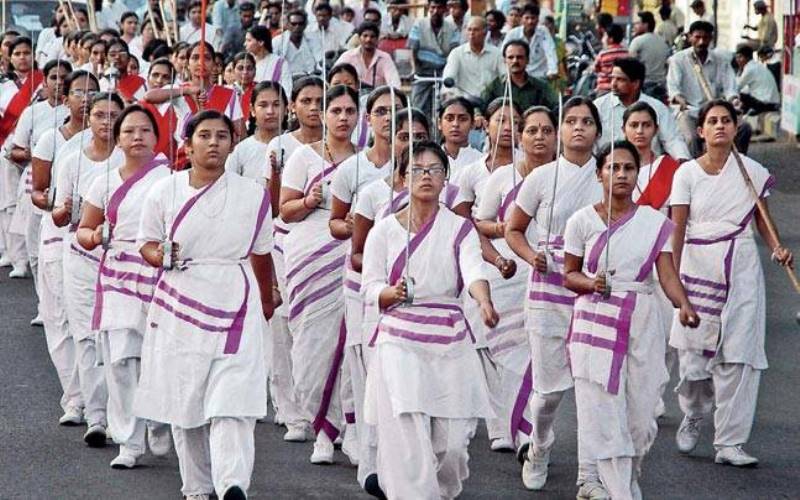
He had said that the primary vehicle for this mission is the “shakha”—a daily one-hour gathering in open grounds where swayamsevaks of all ages participate in physical exercises, games, discussions on national issues, and cultural activities. “Shakhas are designed to instill teamwork, leadership, and ideological clarity through informal, engaging methods rather than formal lectures.” For men, shakhas focus on physical and intellectual drills tailored to “man-making,” while a separate affiliate, Rashtra Sevika Samiti, caters to women with similar but adapted programs.
On a different context Rao had said “RSS is an organisation to be understood through experience and not through lectures, books or documentaries. Involve in it, involve with it, you will discover yourself.”
He emphasized that the true spirit of the Sangh is best understood through direct involvement, not through external narratives or media portrayals. Personal growth and self-discovery unfold through active engagement. In essence, “to know the Sangh, experience it.”
