

The Iran War’s Enduring Energy Shock: $25 Billion Gulf Damage and Years of Supply Pain

From Our foreign Correspondent
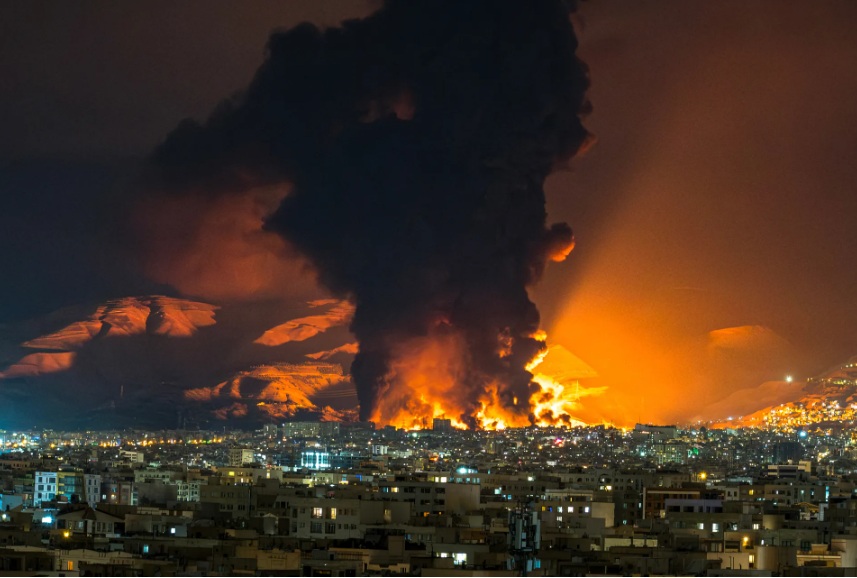
Beyond the tragic human toll of thousands of deaths in the ongoing Gulf conflict, the battle has inflicted a profound and long-lasting wound on the global energy sector. According to analysis, damage to oil and gas infrastructure across the Gulf has already crossed $25 billion, with restoration timelines stretching from months to years for key facilities. What began as targeted strikes has escalated into a systemic crisis, levelling critical energy structures and disrupting supply chains that underpin global oil and liquefied natural gas (LNG) markets. The war’s impact is not merely financial; it exposes deep structural vulnerabilities in the world’s most vital energy corridor.
The scale of physical destruction is staggering. LNG trains, refineries, fuel terminals, and gas-to-liquids facilities have been hit across the region, triggering widespread shutdowns and force majeure declarations. These assets form the backbone of Gulf energy exports, which supply roughly one-fifth of global oil and a similar share of seaborne LNG. The immediate effect has been a sharp contraction in production capacity, forcing buyers worldwide to scramble for alternative sources amid tightening supplies. Unlike past regional tensions that caused temporary price spikes, this conflict has created durable physical damage, turning a short-term supply shock into a multi-year recovery ordeal.
At the epicentre of the crisis stand two of the Gulf’s flagship projects: Qatar’s Ras Laffan Industrial City and Iran’s South Pars offshore gas field. Ras Laffan, the world’s largest LNG export hub and home to facilities that account for a significant portion of global LNG output, has suffered extensive damage to multiple LNG trains. QatarEnergy has reported a 17 percent capacity loss, slashing output to approximately 12.8 million tonnes per annum in the near term. Full recovery could take up to five years, according to official estimates, owing to the complexity of repairing or replacing specialised cryogenic equipment and the long lead times for custom-built components. The facility’s integration with downstream petrochemical and gas-to-liquids plants amplifies the knock-on effects, affecting not only energy exports but also fertiliser and chemical production chains.
Iran’s South Pars field, the world’s largest natural gas reserve and a shared resource with Qatar’s North Field, faces an even more protracted recovery. Strikes have crippled processing infrastructure at the Asaluyeh hub and offshore platforms, compounding existing operational challenges. Unlike Qatar, Iran is hampered by long-standing Western sanctions that bar access to advanced technology and Western contractors. Recovery will depend heavily on Chinese and domestic firms, a technically feasible but slower and costlier path. Supply-chain constraints—exacerbated by the war’s disruption of shipping routes through the Strait of Hormuz—further delay the import of critical spares and modules. Rystad Energy analysts note that while funding is available, structural bottlenecks such as equipment scarcity, skilled labour shortages, and regulatory hurdles will dictate timelines far more than capital alone.
These localised devastations have globalised the crisis. LNG and oil markets, already sensitive to Middle Eastern stability, are experiencing sustained volatility. European and Asian buyers, heavily reliant on Qatari and Iranian volumes, face higher spot prices and potential rationing. The damage to terminals and loading infrastructure has idled carriers and forced rerouting, tightening tanker availability and inflating freight costs. Gas-to-liquids facilities, which convert natural gas into premium fuels and chemicals, add another layer of complexity: their downtime ripples into industrial feedstock shortages, affecting sectors from plastics to transportation.
Analysts emphasise that the true nature of this energy crisis lies in its asymmetry. Wealthier Gulf states like Qatar can mobilise resources for reconstruction, yet even they confront global bottlenecks in specialised engineering and materials. For Iran, sanctions transform a repair challenge into a geopolitical straitjacket, likely prolonging output shortfalls and encouraging workarounds that may compromise long-term field integrity. The $25 billion repair bill, while substantial, understates the broader economic haemorrhage: lost revenues, deferred investments, and eroded investor confidence could easily double the effective cost over the recovery period.
The war has thus crystallised a new paradigm for energy security. It underscores the fragility of concentrated infrastructure in geopolitically volatile regions and the limits of rapid substitution in LNG and oil markets. Structural bottlenecks—rather than mere funding—will shape outcomes, testing supply-chain resilience worldwide. As restoration drags into years, the crisis may accelerate diversification efforts, from accelerated renewable adoption to renewed interest in non-Gulf suppliers. Yet in the immediate term, the Gulf’s scarred energy landscape serves as a stark reminder: modern economies remain perilously tethered to a handful of chokepoints whose destruction carries consequences far beyond any battlefield.
In sum, the Iran war has not just damaged pipelines and platforms; it has inflicted a slow-burning crisis on the global energy order. With recovery timelines measured in years and costs climbing, the sector faces a prolonged period of elevated prices, supply uncertainty, and strategic realignment. The human cost remains paramount, but the energy dimension ensures that the war’s shadow will linger across economies for the foreseeable future.
