


From Our Business Desk
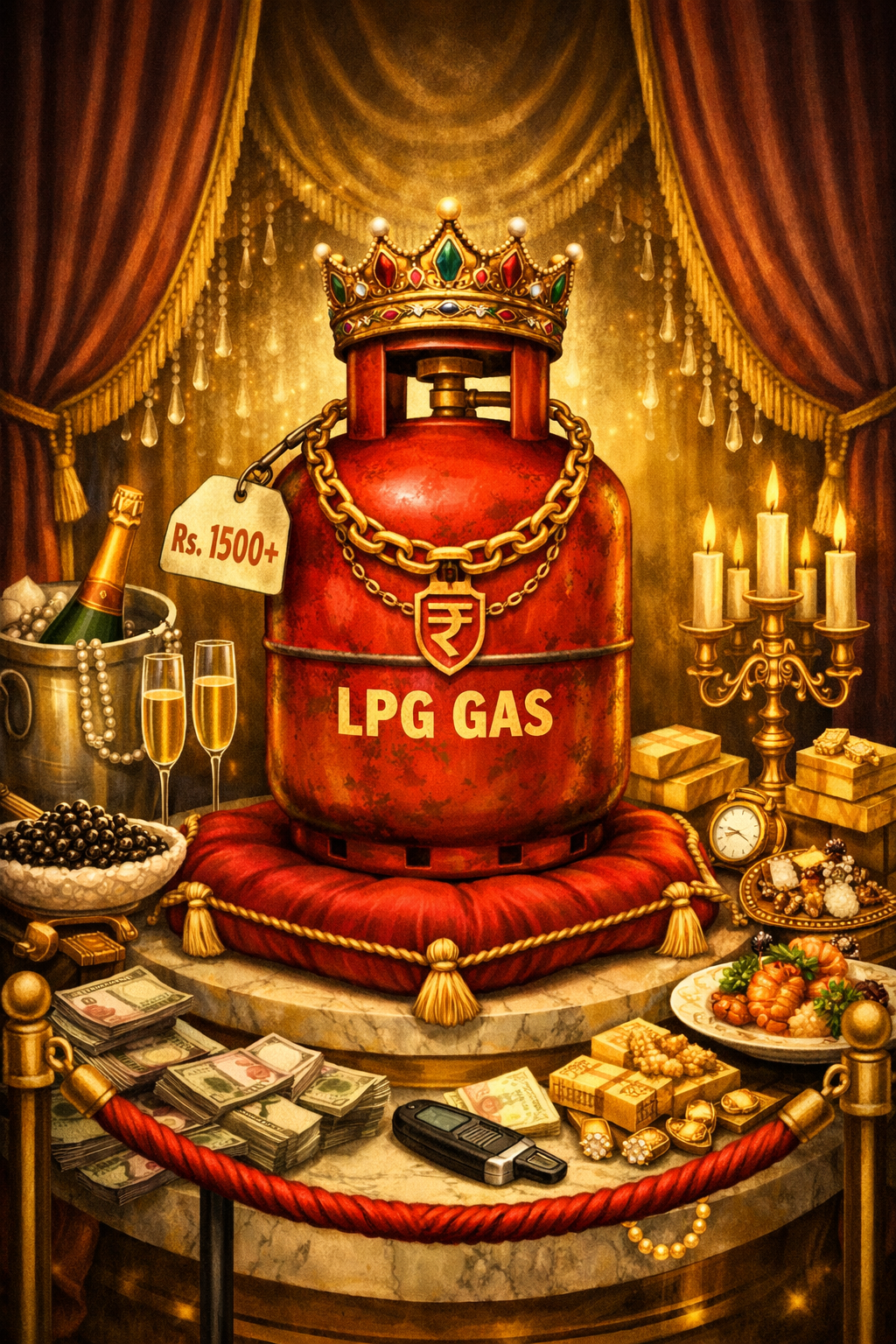
In the kitchens, on the dusty village roads, and in the crowded city buses of India, a quiet storm is brewing. As of May 2026, government-owned Oil Marketing Companies are haemorrhaging nearly ₹30,000 crore every month. Petrol, diesel, and LPG prices have remained frozen since 2022, even as global crude oil prices have skyrocketed past $100-120 per barrel amid West Asia tensions. A painful hike of ₹4-5 per litre on petrol and diesel, and ₹40-60 per LPG cylinder, now seems inevitable before mid-May. For millions of ordinary Indians already drowning in a daily cash crunch, this is not just an economic adjustment — it is a heart-wrenching blow that will deepen their struggles, erode their dreams, and test their breaking resilience.
This is the story of the common man — and especially the common woman — who will bear the heaviest burden.
The Kitchen Crisis: Women at the Frontline of Pain
For Indian women, the home is their battlefield, and fuel is their most vital weapon. A sharp rise in LPG prices will hit them where it hurts most — the hearth.
Imagine a homemaker in a small Mumbai flat or a Bihar village carefully stretching her monthly budget. She already spends ₹2,000-3,000 on cooking gas. An extra ₹400-600 per cylinder could force impossible choices: skip dal for one more roti, buy less milk for the children, or worse, return to smoky chulhas using firewood or cow dung. The health consequences are devastating — respiratory illnesses, eye infections, and long hours spent coughing in poorly ventilated kitchens. Access to clean LPG had been a quiet revolution for women’s health and time. This hike threatens to reverse those hard-won gains.
Women in rural India will suffer even more acutely. Many already walk kilometres collecting firewood when cylinders run out. Higher prices mean more time away from income-generating work, children’s education, or rest. Mothers managing households on meagre earnings will lie awake at night wondering how to feed growing children when every essential item — vegetables, spices, even water transport — becomes costlier. The emotional toll is immense: the quiet guilt, the helplessness, and the silent tears as they absorb the family’s pain without complaint. For working women juggling jobs and homes, reduced cooking time savings from LPG will add yet another layer of exhaustion and burnout.
Urban Middle Class: Dreams Slowly Dying
In bustling cities, the salaried middle class — the backbone of India’s aspirations — is already living a “silent crisis.” A professional earning ₹1.5 lakh today often finds their money buys less than what ₹90,000 did a decade ago. Rents, school fees, healthcare, and EMIs have skyrocketed, leaving families stretched thin.
A fuel price hike will make commutes agonising. Office-goers, teachers, and IT professionals relying on buses, autos, and cabs will face higher fares. Delivery boys and gig workers, already on razor-thin margins, will charge more, making even basic conveniences like food delivery or online shopping a luxury. Families will cut back further — no more occasional movies, fewer new clothes for festivals, and postponed dreams of owning a small car or better education for children.
The emotional weight is crushing. Parents watch their children’s futures shrink. Young couples delay having babies or buying homes. Many are already dipping into savings or taking high-interest loans just to maintain dignity. This hike will intensify the quiet despair: the feeling of running faster on a treadmill that never moves forward.
Rural Heartland: Farmers and Families in Despair
Rural India, where over half the country lives, stands on the edge of deeper distress. Diesel powers tractors, irrigation pumps, and the trucks that carry produce to markets. A ₹4-5 per litre increase will raise farming costs dramatically at a time when small farmers and labourers are already battling low incomes, mounting debt, and uncertain monsoons.
A marginal farmer in Uttar Pradesh or a milk vendor in Tamil Nadu will pass on higher transport costs, but often gets squeezed by middlemen. Vegetable and milk prices will surge by 8-15%, hurting both producers and consumers. Daily wage labourers earning ₹200-400 will see their already meagre purchasing power evaporate. Families that once hoped for a pucca house or a child’s higher education will now fight just to put food on the table.
Women in these households — often the ones managing money and nutrition — will feel this pain most acutely. They will negotiate with shopkeepers, stretch rations, and sometimes go hungry themselves so their children and husbands eat. The cycle of debt will tighten. Migration for work may increase, breaking families apart and leaving women to shoulder even greater responsibilities alone.
Cascading Heartbreak Across Public Life
The effects will not stop at the pump or the cylinder. They will ripple through every aspect of daily existence:
· Food Inflation: Essentials like vegetables, milk, grains, and even street food will become noticeably dearer, forcing families to compromise on nutrition.
· Purchasing Power Collapse: Real incomes will fall sharply. Households already in cash crunch will slash spending on education, healthcare, and clothing.
· Jobs and Incomes Under Threat: Auto drivers, delivery personnel, small shop owners, and MSME workers will face higher costs and weaker customer demand, leading to lower earnings or job losses.
· Health and Education: Families may delay medical treatments or pull children out of tuition classes. Women’s health, especially, will suffer from increased drudgery and indoor pollution.
Beneath rosy headline growth figures lies a harsher truth: sluggish quality job creation, high household debt, persistent rural distress, and widening inequality. This fuel shock risks pushing the economy into stagflation-like conditions — rising prices amid stagnant incomes and weak demand.
Fiscal Constraints and the Freebies Paradox
The government’s hands are tied by years of competitive populism. Cash transfers, free power, water, and enhanced rations helped win elections but have strained public finances. With limited fiscal space, broad-based relief for suffering citizens looks unlikely. Any attempt to subsidise fuel further may come at the cost of long-term investments, leaving ordinary people to shoulder most of the burden alone.
A Nation on the Brink of Emotional Fatigue
This impending fuel price hike will not trigger dramatic images of collapse, but it will multiply the quiet suffering in millions of homes. It is the mother choosing between her child’s school shoes and the gas cylinder. It is the father hiding his worry while driving an expensive auto. It is the young woman wondering if her hard-earned degree will ever translate into a better life.
India’s people have shown remarkable resilience through crises before. Yet repeated blows — inflation in essentials, job uncertainty, and now this — are testing their limits. The human cost is profound: eroded dignity, shattered aspirations, and a growing sense that the system is failing those who work the hardest.
A phased price increase with genuinely targeted support for the poorest, coupled with urgent steps to boost domestic energy production, renewables, and efficiency, could offer some relief. Rationalising subsidies and focusing on genuine growth-oriented spending is equally critical.
But for now, as the nation waits for the inevitable announcement, hearts across India are heavy. The coming months will test not just economic policies, but the very spirit of ordinary citizens who dream, struggle, and endure every single day. Their silent tears deserve more than statistics — they demand compassionate, wise governance that truly understands the human cost behind every rupee increase at the pump.
