


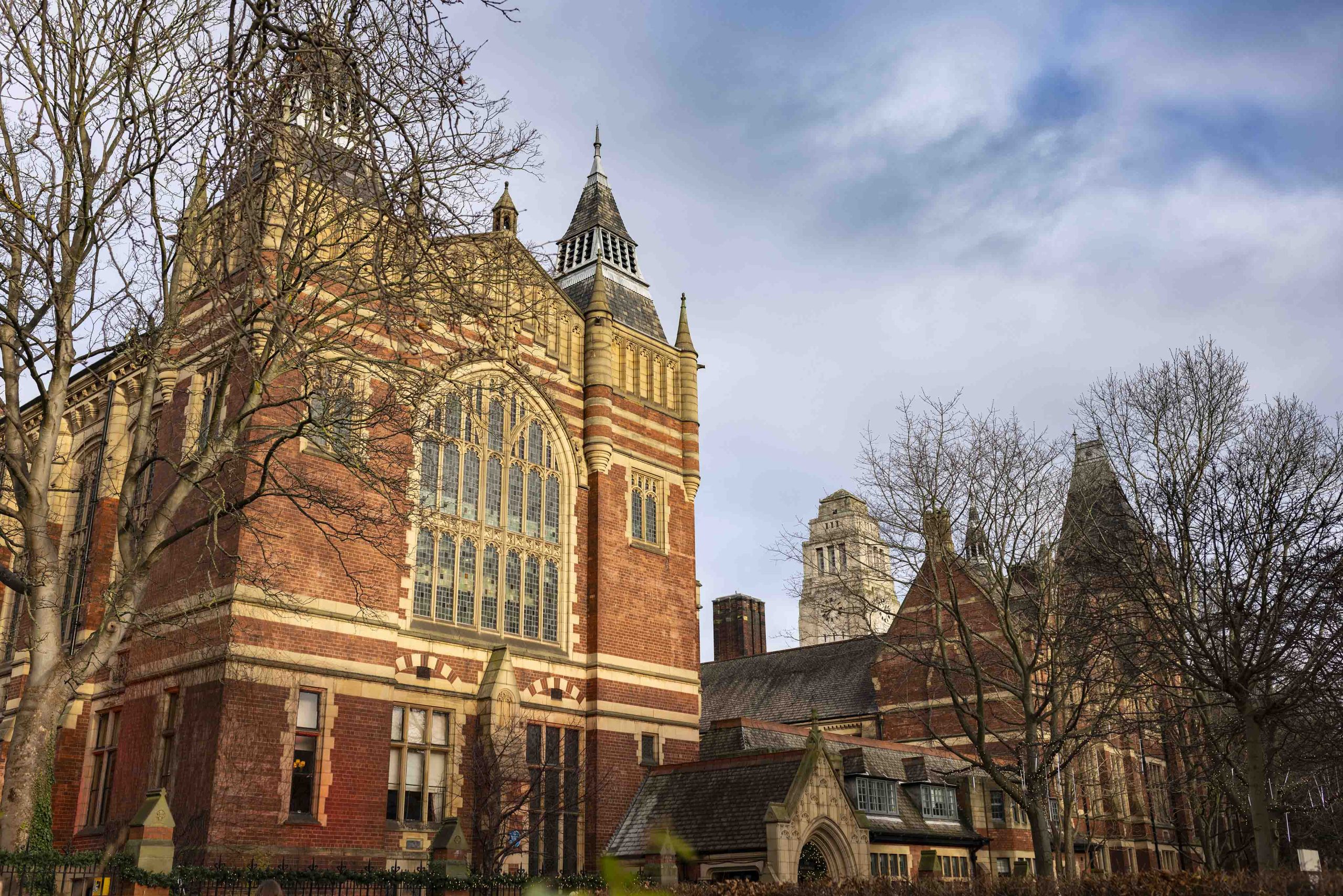
The University of Leeds is inviting applications for its MA in Digital Humanities and Culture for the September 2026 intake. The course draws on the University’s wide-ranging expertise in digital arts, humanities, and cultural industries and provides students with the opportunity to work with the unique historical and cultural collections at the Brotherton Library.
The programme offers opportunities for collaboration with internal and external partners, a flexible research- and practice-led curriculum spanning cutting-edge areas of digital humanities and culture, and a distinctive mix of modules from across the University. Specialist support is provided through the Digital Cultures and Creativity Hub, the Digital Education team, and dedicated campus workspaces with advanced digital equipment such as HELIX. The course welcomes graduates from diverse backgrounds and allows students to tailor modules to their interests, while dedicated skills training and hands-on opportunities help them create, evaluate, and critique digital assets and their wider contexts.
Entry Requirements: First class or grade equivalent undergraduate degree in a relevant subject from a recognised Indian university.
Start Date: September 2026
Application Deadline: 31st July 2026
Duration: 12 months full-time
English Language Requirements: Students will need Standard XII English at 70% or 75% depending on the state board, or IELTS 6.5 overall, with no less than 6.0 in any component.
Tuition: £28,000 total (INR 32,49,960 appx.)
Scholarship Details:
• £6,000 International Masters Regional Scholarships for all Indian students
• International Excellence Scholarship for Indian Students – 500 awards with up to a 50% fee reduction available for international students.
Industry Exposure under UoL’s Global Industry Programme: While studying at Leeds, students have a unique opportunity to gain real-world industry consultancy experience through a two-week virtual Global Industry Programme. This not only helps them build valuable industry connections but also develops practical and professional skills that help them stand out in the competitive graduate job market.
Career Opportunities: Graduates of this course are well prepared for a wide spectrum of careers across both technical and creative sectors. Potential roles include text and data analysts, data scientists, archivists, library and information specialists, market researchers, marketing executives, multimedia professionals, human–computer interaction and UX researchers, website content managers, software testers, and project managers or administrators within arts, heritage and cultural organisations. The course also provides a strong foundation for academic research pathways, including progression to a PhD.
