

Robbery of Faith in Ayodhya: SIT Exposes Serious Lapses in Temple Trust Management

By Nanditha Subhadra
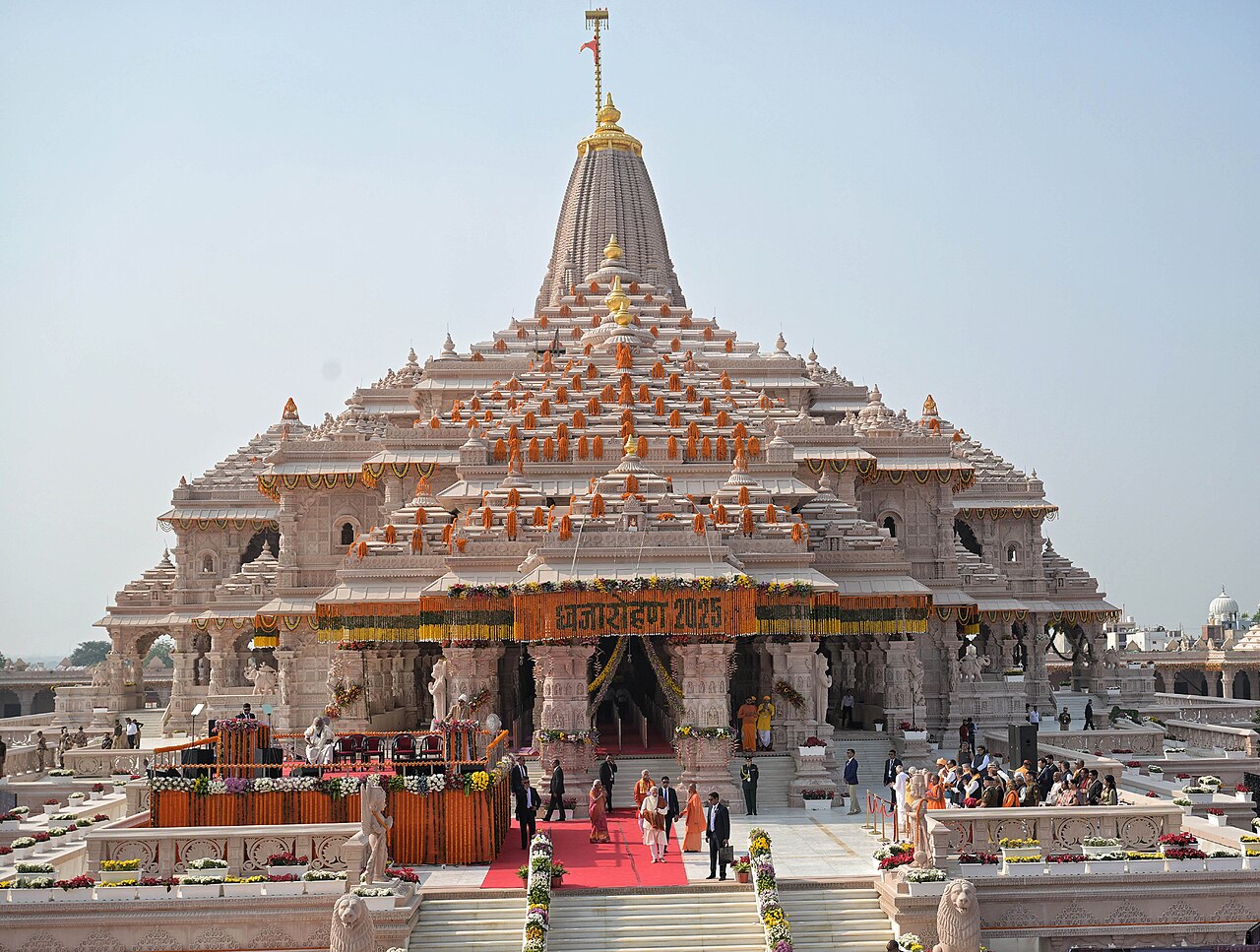
In the sacred precincts of Ayodhya, where millions of devotees contributed their savings, faith, and devotion toward the construction of the Ram Temple, serious questions have arisen over the management of offerings. What was intended as a symbol of cultural and spiritual resurgence now faces credible allegations of large-scale irregularities in the handling of cash, gold, silver, and other valuables donated by the faithful. While the exact scale remains under investigation, the preliminary findings of a Special Investigation Team (SIT) have revealed disturbing lapses that demand urgent answers.
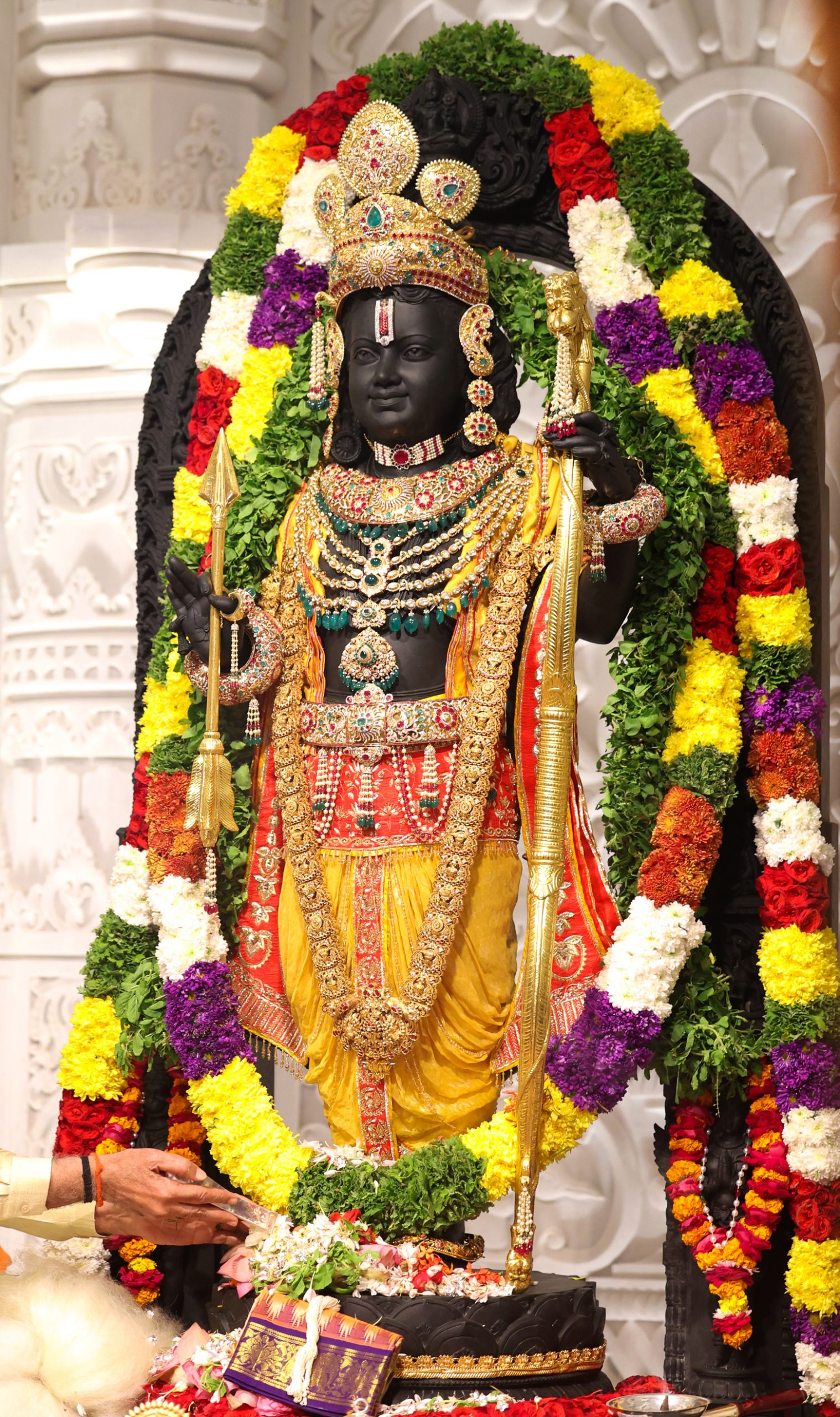
The temple was built through decades of mobilisation, with the Shri Ram Janmabhoomi Teerth Kshetra Trust overseeing operations. Prominent figures with longstanding associations with the RSS, including Champat Rai, have held key positions within the Trust. The institution was presented as a people’s temple, sustained by the contributions of ordinary devotees — from small coins offered by the poor to substantial donations of gold, silver, and other valuables from others. The preliminary SIT findings now raise serious concerns about how those offerings were handled.
On 13 June 2026, the Uttar Pradesh government constituted a three-member SIT, headed by Lucknow Divisional Commissioner Vijay Vishwas Pant, following a request from the Trust itself. The SIT submitted its preliminary inquiry report to the state government on 23 June 2026. According to the report and related findings, CCTV cameras meant to ensure transparency had blind spots or were obstructed during cash-counting operations. Significant discrepancies were noted in the accounting and inventory management of gold, silver, precious stones, and other valuables. Supervision during the transportation of cash to banks was found to be inadequate, and background checks for staff handling sensitive cash duties appear to have been insufficient.
The SIT’s preliminary findings have also pointed to cases where low-wage employees involved in cash handling acquired assets disproportionate to their known income, including plots valued between ₹40 lakh and ₹1.5 crore. Investigations into nearly 50 staff members are reportedly underway. Authorities have seized approximately ₹2 crore in cash, vehicles, and high-value items from primary suspects, with travel restrictions imposed on several trust officials and functionaries. The SIT has recommended further action, including the registration of FIRs in appropriate cases, with a final report expected shortly.
These developments have triggered sharp reactions. Chief Minister Yogi Adityanath has called for patience until the final report is submitted, assuring that strict action will follow if irregularities are established. Trust officials, including Champat Rai, had earlier described some allegations as politically motivated and pointed to regular internal audits. However, the preliminary SIT findings on procedural lapses, inadequate CCTV coverage, and weak oversight stand in contrast to claims of robust management.
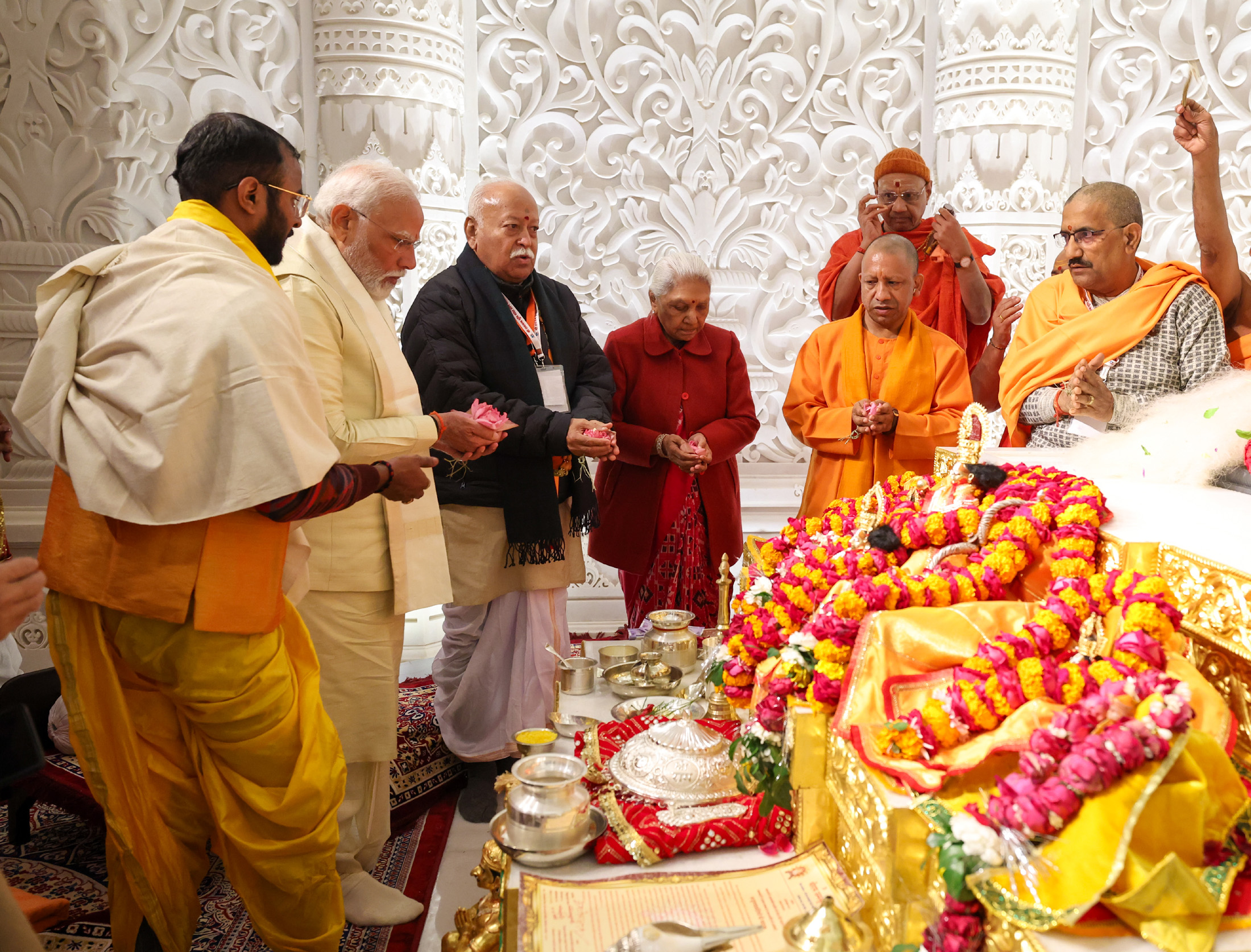
The controversy has also highlighted a notable absence of strong, unequivocal public statements from senior RSS leadership demanding immediate and decisive accountability within the temple ecosystem. Given that the Trust has been largely under the influence of individuals aligned with the RSS and the broader saffron political formation, this silence has fuelled perceptions that political considerations may be tempering the urgency of corrective action.
This episode raises fundamental questions about the governance of religious institutions that handle public donations on a massive scale. The Ram Janmabhoomi movement drew on the emotional and financial support of millions of devotees over decades. Many contributed sacrificially, believing their offerings would honour Lord Ram and support the temple’s upkeep. When serious lapses surface in the management of those very offerings, it inevitably erodes public trust — not just in one institution, but in the broader promise that faith-based mobilisation would lead to greater transparency and accountability.
Critics have rightly described the situation as a “robbery of faith”. The preliminary findings suggest that systemic weaknesses — whether through negligence, inadequate controls, or worse — allowed valuables and cash to go missing or unaccounted for. The fact that low-level staff appear to have accumulated unexplained wealth while senior oversight remained weak points to deeper failures in institutional culture and monitoring mechanisms.
Those who championed the temple movement and now hold significant influence over its management cannot distance themselves from these failures. The reluctance to move swiftly against those responsible — extending beyond junior employees to those in positions of oversight — sends a troubling message. It suggests that protecting institutional image and internal cohesion may be taking precedence over restoring the confidence of millions of devotees who funded this project.
For genuine Ram bhakts and ordinary devotees, this is a moment that demands clarity. The movement succeeded because of people’s faith. That same faith now requires protection through concrete measures: immediate public disclosure of all audit reports, time-bound action on the SIT’s final recommendations, introduction of independent oversight mechanisms, verifiable digital tracking of all donations, and greater involvement of broader Hindu religious leadership beyond any single organisational formation.
The temple trust was entrusted with public donations running into thousands of crores. Preliminary findings of serious lapses in cash handling, inventory management, and staff oversight cannot be brushed aside as minor administrative issues. Devotees who travelled long distances and offered their hard-earned money deserve full transparency, not defensive statements or delayed action.
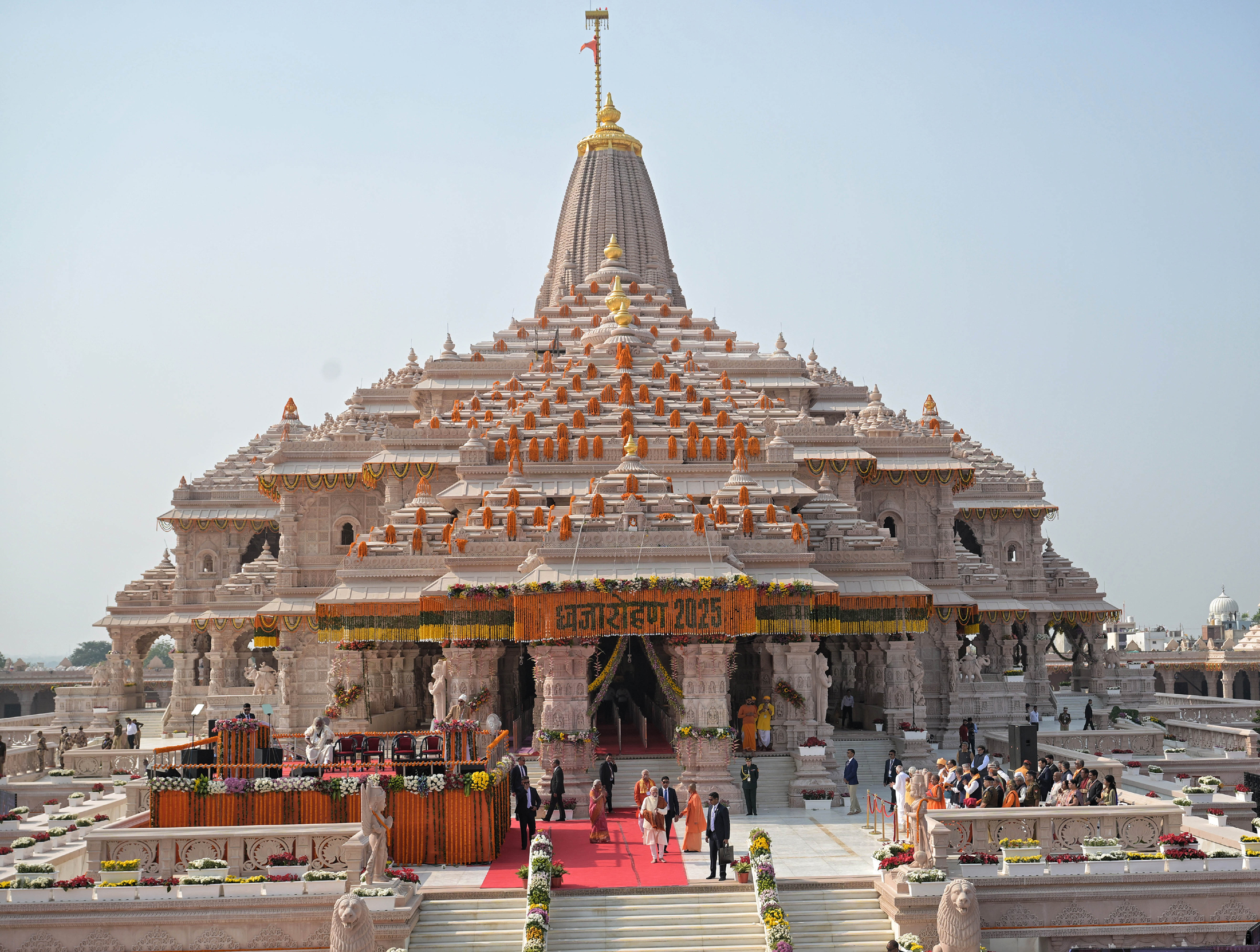
As the SIT continues its work, those who came to power at the Centre and in various states — particularly the BJP, which rose electorally on the back of the Ram Janmabhoomi movement — would do well to take note. It was the unwavering support of Ram bhakts and devotees across the country that helped propel the saffron party from the margins to its current position of dominance at both the Centre and in multiple states. If the serious lapses highlighted in the preliminary findings are not addressed with full transparency, swift and visible action against those responsible at all levels, and genuine structural reforms, there is a real and growing risk that sections of this very core support base will feel deeply betrayed. Voters who elevated the party on the strength of faith and emotional mobilisation have historically shown the capacity to reassess their choices when they perceive that trust has been breached. Protecting the sanctity of devotees’ offerings is therefore not only a moral and administrative necessity — it may also prove crucial for preserving the political capital built over decades.
Disclaimer: This is a critical opinion and analysis piece based on publicly reported developments, including the SIT preliminary report submitted on June 23, 2026, and statements from various stakeholders.
