

Bone-Building Breakthrough: Scientists Uncover Hundreds of New Genes and Key Repair Cells to Combat Osteoporosis and Skeletal Diseases

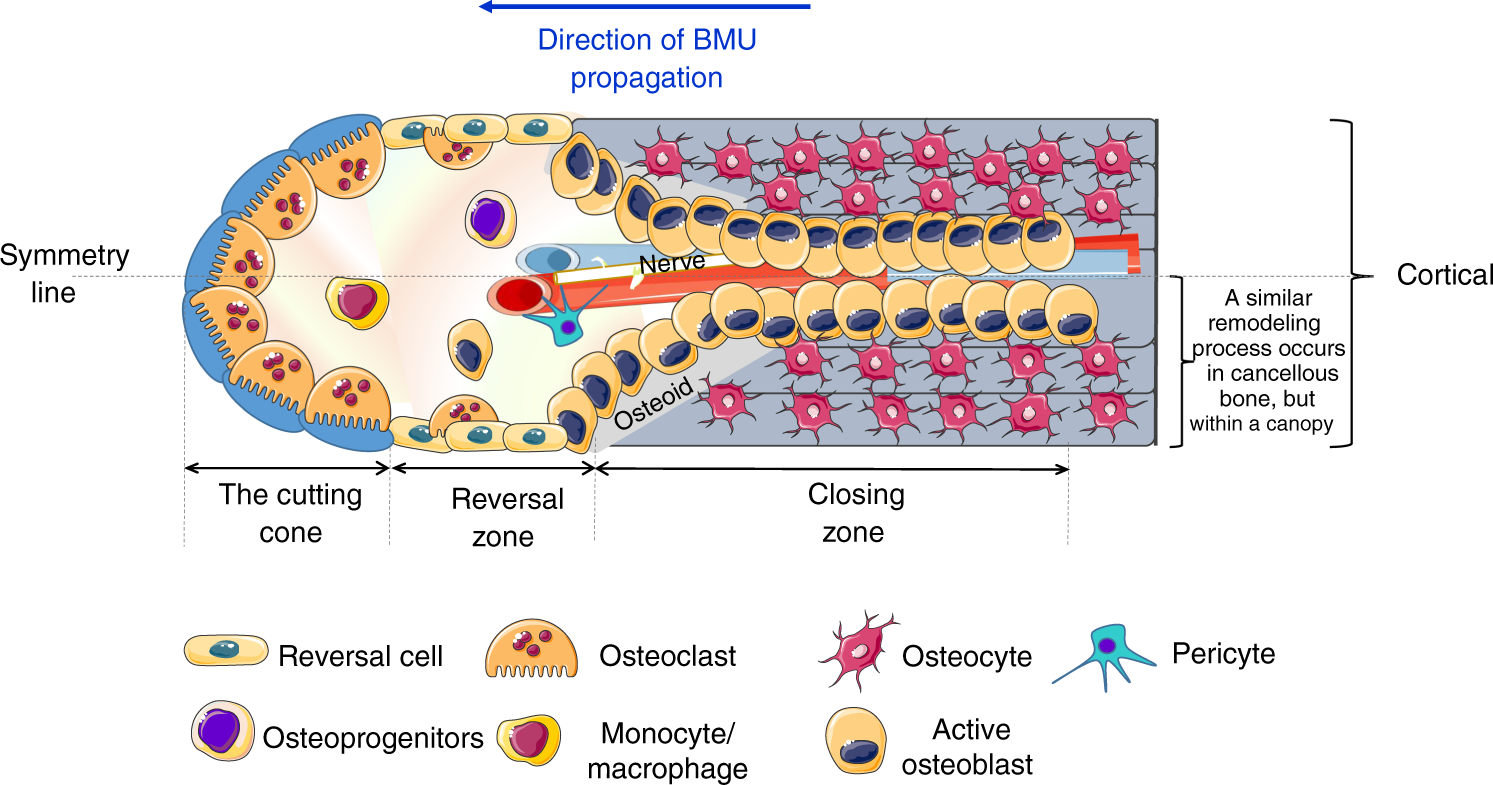
Scientists have achieved an unprecedented mapping of the cells and genes that control bone formation and breakdown, opening the door to transformative new therapies capable of rebuilding lost bone.
The international team, led by researchers from Australia and Britain, integrated advanced genomic sequencing with data from nearly half a million individuals to identify hundreds of previously unknown genes that regulate bone health, according to a statement from Australia’s Garvan Institute of Medical Research released on Monday.
One major revelation is the critical role of cells surrounding blood vessels in driving bone repair — a function that had been largely underappreciated until now.
The findings mark a fundamental advance in understanding skeletal disorders and could pave the way for targeted therapies to reverse bone loss. This offers new hope for nearly half of people over 50 affected by osteoporosis, as well as patients with rare bone disorders and cancers that metastasize to bone.
Using single-cell RNA sequencing, the researchers mapped active genes at the bone-marrow interface — the vital zone where bone is both formed and resorbed — identifying 34 distinct cell types and the specific genes functioning within each.
By cross-referencing this with genetic and bone density data from the UK Biobank, the team precisely pinpointed the cells responsible for driving skeletal diseases. The comprehensive dataset has been made publicly available to accelerate further global research.
This landmark study could accelerate the development of precision medicines that strengthen bones, prevent fractures, and improve quality of life for millions worldwide.
