

Termites in Saffron: The Camouflaged Bhakts Damaging the BJP, Modi Government and RSS from Within

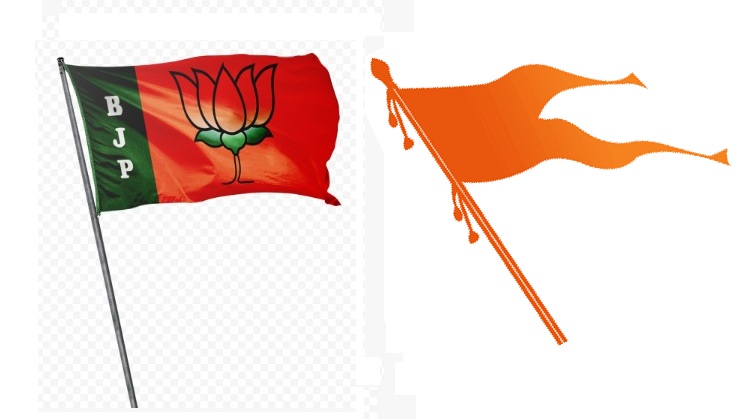
By Suresh Unnithan
The deadliest enemies of the Narendra Modi government, the Bharatiya Janata Party and the RSS are not the Opposition, the street agitators or the hostile media. They are inside the camp. Camouflaged hard-core “supporters” and self-proclaimed bhakts are operating like termites—silently, relentlessly, and with lethal precision. Masquerading as the most loyal foot-soldiers of the ideology, these elements are systematically torpedoing the party, the government and the Sangh Parivar through calculated hate-mongering. Their extreme videos and toxic propaganda create deep, lasting ill-will in society against the very organisations they pretend to serve. These are not misguided activists. They are internal saboteurs. They are poison. And the government, the party and the RSS must identify them and weed them out with ruthless clarity before the structure collapses from within.
These operators deliberately steal the language, symbols and emotional charge of genuine supporters. They flood digital platforms with short, high-voltage hate videos that attack communities, glorify violence and demand confrontation while wrapping themselves in the colours of “Hindu pride” and “Modi’s India.” The disguise works. Large sections of the public and the media swallow the packaging and assume the content carries official or organisational sanction. The result is catastrophic. Communal tension spikes. Social fabric frays. And every ounce of the political and moral damage is transferred onto the BJP, the government and the Sangh. These videos are not expressions of ideology. They are weapons aimed at the heart of the movement itself.
The method is cynical and effective. Outrage is rewarded by algorithms. The more extreme the content, the wider it spreads. The creators understand the brutal asymmetry: the reputational destruction falls on the party and the Sangh, while they themselves hide behind anonymity, disposable accounts and digital smoke-screens. What the ordinary citizen sees as the authentic voice of the movement is, in reality, a deliberate campaign of sabotage. These termites thrive precisely because they look like the wood they are devouring. Every day they remain unchallenged, they dig deeper into the foundations.
This is no longer a problem that can be managed with polite distancing or occasional press notes. It demands aggressive identification and decisive elimination. Digital forensics, applied strictly through official channels, provides the necessary instrument. Electronic records—videos, metadata, upload trails and account information—are treated as primary evidence under the Bharatiya Sakshya Adhiniyam, 2023, when properly certified. The Bharatiya Nyaya Sanhita provisions against promotion of enmity and deliberate insult to religious feelings, read with the Information Technology Act and the 2021 Intermediary Guidelines, already give the legal firepower to strike at content that incites hatred and violence.
The machinery exists. The Indian Cybercrime Coordination Centre under the Ministry of Home Affairs can coordinate national action, support forensic examination and compel platform cooperation under law. State cyber cells can register cases, secure subscriber data through due process and subject the material to expert scrutiny. Only evidence collected and certified through these channels will stand in court and protect the organisations from counter-attacks. Private freelancing by over-enthusiastic workers is not an option—it risks legal blowback and further muddies the moral ground. The fight must be professional, lawful and unrelenting.
Obstacles are real. Anonymity tools, burner accounts, foreign servers and AI-generated deepfakes make attribution difficult. Platform responses can be sluggish. The volume of toxic content is enormous. None of this is an excuse for paralysis. The alternative is slow organisational death. A serious political and ideological force cannot permit its identity to be hijacked by hate merchants in disguise. The BJP and the Sangh have shown the capacity for firm action when they choose to exercise it. That capacity must now be turned inward with full force—against the camouflaged elements whose only project is to provoke, divide and destroy the credibility of the institutions they claim to defend.
The required response is clear and non-negotiable: preserve the material in a form that supports later certification, file formal complaints with competent cyber authorities, drive professional forensic examination, publicly expose the fraud with evidence, and weed out the poison without hesitation. Silence is surrender. Vague statements are weakness. When videos calling for violence circulate under the party’s colours and the Sangh’s symbols, the organisations must be able to declare, with hard evidence, that the speakers are impostors and enemies. Failure to do so will allow the public perception to harden that the ecosystem either tolerates or cannot control its own extremes. Once that perception locks in, moral authority is gone.
The termites are already deep inside the structure. They wear the mask of the most ardent bhakts while steadily eating away at the foundations of the party, the government and the RSS. Identifying them, exposing them and removing them is not an attack on genuine supporters. It is an act of organisational survival. The tools exist. The legal framework exists. The only missing ingredient is the will to strike hard and strike now.
It is time the Sangh Parivar applies a thorough and uncompromising treatment against these termites. The infestation is internal, the damage is accelerating, and half-measures will not work. Cut out the poison completely and protect the structure before the termites bring the entire house down. Delay is no longer an option.
