


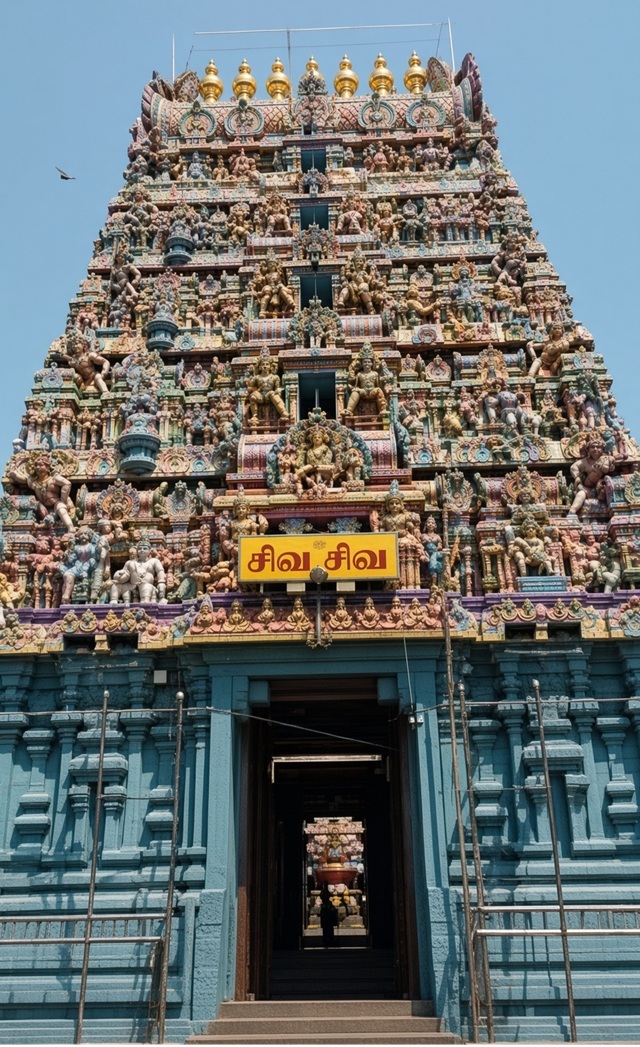
By Jayalakshmi in Vedapuri
For years, I have walked the vibrant streets of Puducherry, admiring the French colonial architecture, the pastel-coloured facades, and the laid-back coastal charm. Like many residents and passing tourists, I accepted the common narrative: this was Puducherry, a name thought to mean “new village” (from pudu cherry), later morphed by foreign tongues into Pondicherry.
It wasn’t until a journalist friend from Kerala asked me a casual question about the land’s original name—Vedapuri—that I stopped in my tracks. Vedapuri. The City of the Vedas. The realization hit me like a sudden wave crashing against our shores. This land I called home was not born of colonial trade or coastal settlements. Long before the French, the British, or even the bustling Roman port of Poduke in the 1st century, this very earth was a humming epicenter of cosmic truth and divine consciousness.
Puducherry is not just a town on a map. It is Vedapuri—an ancient, living Teertha Sthal (sacred pilgrimage site) whose spiritual frequency has been vibrating for over 2,500 years. Puducherry Chief Minister N. Rangasamy has frequently emphasized the rich spiritual and civilisational legacy of the Union Territory, historically known as Vedapuri—a prominent ancient hub for Vedic studies. Addressing cultural and spiritual forums like the Sitharkal Literature Seminar, Chief Minister Rangasamy always underscored that Puducherry’s growth and unique identity are directly tied to the divine grace of the many saints who made the region their home. He emphasise in his public addresses that the territory is inherently blessed, and this deeply rooted spiritual heritage functions as a lasting legacy that continues to positively shape the community. The Chief Minister, known for his spiritual inclinations frequently highlights the Siddha tradition as a foundational component of the region’s historical fabric.
The Gateway of the Divine Word
When you stand on the shores of the Coromandel Coast and listen to the rhythmic roar of the Bay of Bengal, you are standing exactly where ancient seers once stood. Long before ships brought traders, Vedapuri was an immense Gurukul—a sanctuary where the Vedas were not merely studied but breathed, lived, and whispered into the winds.
The Pallava and Chola copper plates and inscriptions confirm this beautiful truth. They speak of Vedapuri as a Ghatika, an advanced university of Sanskrit and Vedic wisdom. Imagine the mornings here thousands of years ago: the sun rising over the eternal ocean, painting the sky in hues of fire, while the air filled with the continuous, powerful vibrations of Vedic chanting and the sacred smoke of Yagnas (fire rituals). The soil beneath our modern cafés and paved roads is still charged with the purity of those ancient syllables.
The Footprints of Sage Agastya
What makes a piece of land holy? It is the people who anchor the divine light into its soil. According to profound Shaivite tradition, when the spiritual weight of the earth needed balancing, Lord Shiva sent the great Sage Agastya—the foremost of the 18 Tamil Siddhars—to the South.
Agastya did not choose this coastal belt by accident. The ancient sages were masters of spiritual geography. They knew that the confluence of the vast, infinite ocean and the stable, grounding earth created the perfect elemental balance for intense Tapas (penance). Here, Sage Agastya established his ashram. Here, the Lord of Agastya was worshipped as Agatiswara, later known as Vedapureeswarar—the presiding deity of the Vedic City.
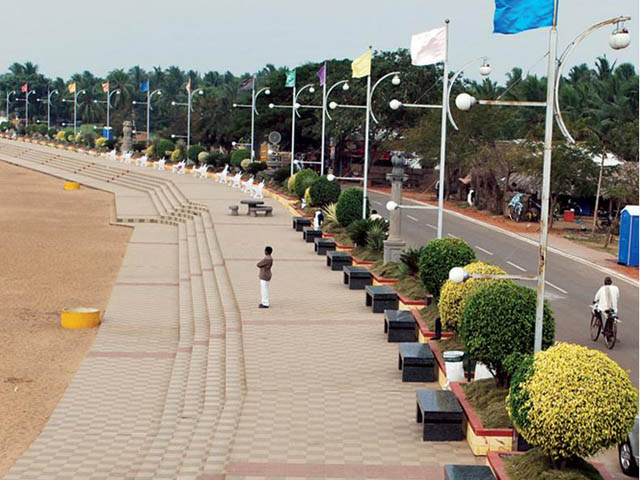
When you walk through Puducherry today, you are walking through a spiritual grid established by Agastya himself—a place designed to preserve, decode, and propagate the eternal wisdom of the universe.
The Living Sanctuary of the Siddhars
Vedapuri is not just a place of historical worship; it is a living, breathing powerhouse of mystical energy. It is a Siddhar Peetam, a gathering ground for enlightened masters. Throughout the centuries, mystics and yogis were drawn to the accumulated spiritual vault of this land, knowing that the energy left by previous masters would accelerate their own consciousness.
Today, hidden in plain sight amidst the modern bustle, Vedapuri shelters over thirty Jeeva Samadhis. These are not mere resting places. They are the sacred seats where enlightened Siddhars consciously shed their mortal bodies while remaining eternally active in meditative states. Shrines of silent guardians like Akka Swamy, Tholaikadhu Siddhar, and Narayana Paradesi form an invisible, protective grid of grace around the city. At the Sri Sithananda Swamy Temple, the spiritual essence of 108 Siddhars pulses with life, offering intense, silent rehabilitation to any seeker who sits there with an open heart.
A Timeless Calling
The sanctity of a true Teertha Sthal never dies; it only evolves. It is no wonder that in the 20th century, the undeniable magnetic pull of Vedapuri drew Sri Aurobindo and The Mother to its shores. A visionary of integral yoga, Sri Aurobindo recognized the deep, pre-existing occult significance of this exact plot of land. He confirmed it as the ancient seat of Sage Agastya. The creation of the Sri Aurobindo Ashram here was not a coincidence—it was the modern continuation of Vedapuri’s eternal destiny to act as a global beacon of divine transformation.
To call this place merely a “new village” is to forget its soul.
Puducherry may be the name stamped on passports and tourist brochures, but Vedapuri is the name etched into the cosmos. To visit this land as a tourist is to see colonial architecture and beaches; but to live here, to walk here as a Yatri (pilgrim), is to step into an open-air temple of cosmic consciousness.
The next time you walk down these tree-lined streets, close your eyes for a moment. Feel the ocean breeze. Beneath the noise of the modern world, if you listen closely, you can still hear the ancient chanting. Vedapuri is still alive, waiting to awaken the soul of anyone who truly knows its name.
Edited by Suresh Unnithan
