
11,000 People Register as Potential Blood Stem Cell Donors in Two Days as Woman with Severe Aplastic Anaemia Seeks a Match

India: Rafiya Sherin, a 30-year-old woman based in Preston, United Kingdom, is battling severe aplastic anaemia, a serious blood disorder, and urgently needs a blood stem cell transplant. As she searches for a compatible donor, Rafiya has turned her personal fight into a wider appeal, urging more people, particularly those of South Asian heritage, to register as potential blood stem cell donors and help improve the chances of patients awaiting a life-saving match.
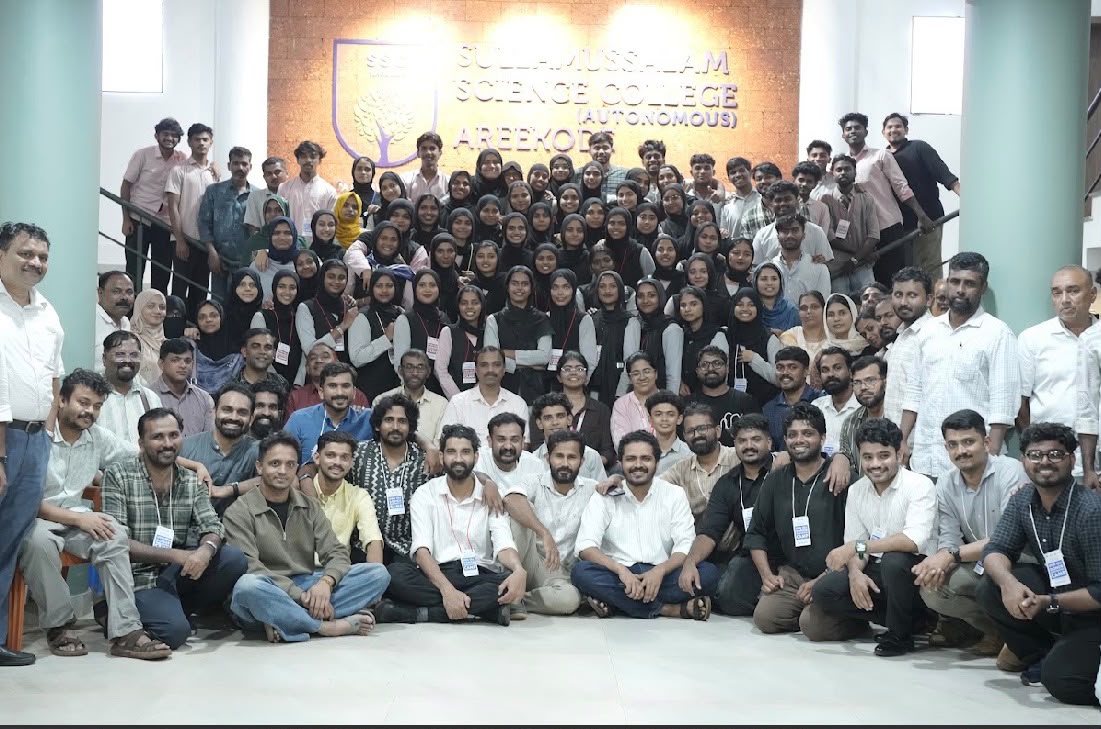
Her appeal has sparked an extraordinary response in Kerala, with more than 11,000 people registering as potential blood stem cell donors in just two days at Sullamussalam College, Rafiya’s former college. The drive marks the largest in-person blood stem cell donor registration initiative in DKMS Foundation India’s history, demonstrating the scale of community support mobilised by her search for a compatible donor.
Aplastic anaemia is a rare and potentially life-threatening blood disorder in which the bone marrow fails to produce enough red blood cells, white blood cells and platelets. In severe cases, the resulting low blood counts can lead to life-threatening infections and serious bleeding, making timely treatment critical.
Rafiya Sherin said, “If my search for a compatible donor highlights the challenges faced by patients of South Asian heritage, I hope it also encourages more people to register as potential stem cell donors. Even if I cannot find my own match, I want to help create that chance for someone else. I will continue to fight and raise awareness so that more patients can have hope of finding their lifesaver.”
In response to Rafiya’s appeal, her family and friends in India partnered with DKMS Foundation India, a non-profit organisation dedicated to the fight against blood cancer and other blood disorders, including thalassemia and aplastic anaemia, to organise a series of blood stem cell donor registration drives across Kerala. The campaign gained momentum in Manjeri, where more than 1,500 people registered as potential donors, followed by a drive in Tirur at the end of September that saw over 4,200 registrations in a single day. The Tirur initiative received support from volunteers associated with Snehatheeram, an organisation Rafiya had previously worked with.
In early October, the campaign reached Sullamussalam College, where more than 6,000 people registered as potential blood stem cell donors on the first day alone. As participation continued to grow, the drive was extended to a second day, with additional registration materials arranged to accommodate the response. By the end of the two-day initiative, registrations had surpassed 11,000.
More than 200 volunteers supported DKMS Foundation India’s teams in managing registrations and participant turnout, while free bus services were arranged to bring people to the venue. Rafiya’s family was present throughout the drive, interacting with volunteers and potential donors. The initiative was coordinated by DKMS Foundation India’s donor recruitment, communications, patient engagement and data management teams.
Finding a suitably matched blood stem cell donor remains a key challenge for patients with blood cancers and other blood disorders. Compatibility depends largely on human leukocyte antigen (HLA) characteristics, which are inherited and vary between individuals. Patients are generally more likely to find a suitable match among people with a similar ancestral background. Greater representation of diverse communities, including South Asians, in donor registries is therefore important to help improve the chances of patients finding a compatible donor.
Patrick Paul, Executive Chairman, DKMS Foundation India, said, “At DKMS Foundation India, we believe that every individual who registers as a potential stem cell donor can help bring hope to patients searching for a compatible match. More than 11,000 people registering in just two days is a remarkable demonstration of the power of collective action. We are grateful to Rafiya’s family, the volunteers and everyone who came forward in response to her appeal.”
He added, “However, the need extends far beyond one patient. For people living with blood cancer and other serious blood disorders, finding a suitably matched donor can be challenging. We hope this extraordinary response inspires more people across India to register as potential stem cell donors, helping expand the pool of potential matches and giving more patients a chance at a life-saving transplant.”
Any healthy individual between the age group of 18-55 can register by ordering the home swab kit at https://www.dkms-india.org/get-involved/virtual-drives/rafiya.
When you receive the kit, fill out the given consent form, swab the inside of your cheeks to collect tissue cells, and return the swab kit. The DKMS laboratory will then analyse your tissue type, and it will be available in the global search for blood stem cell donors.
****
