


By Suresh Unnithan
Hospitals treat illness; kitchens prevent it.
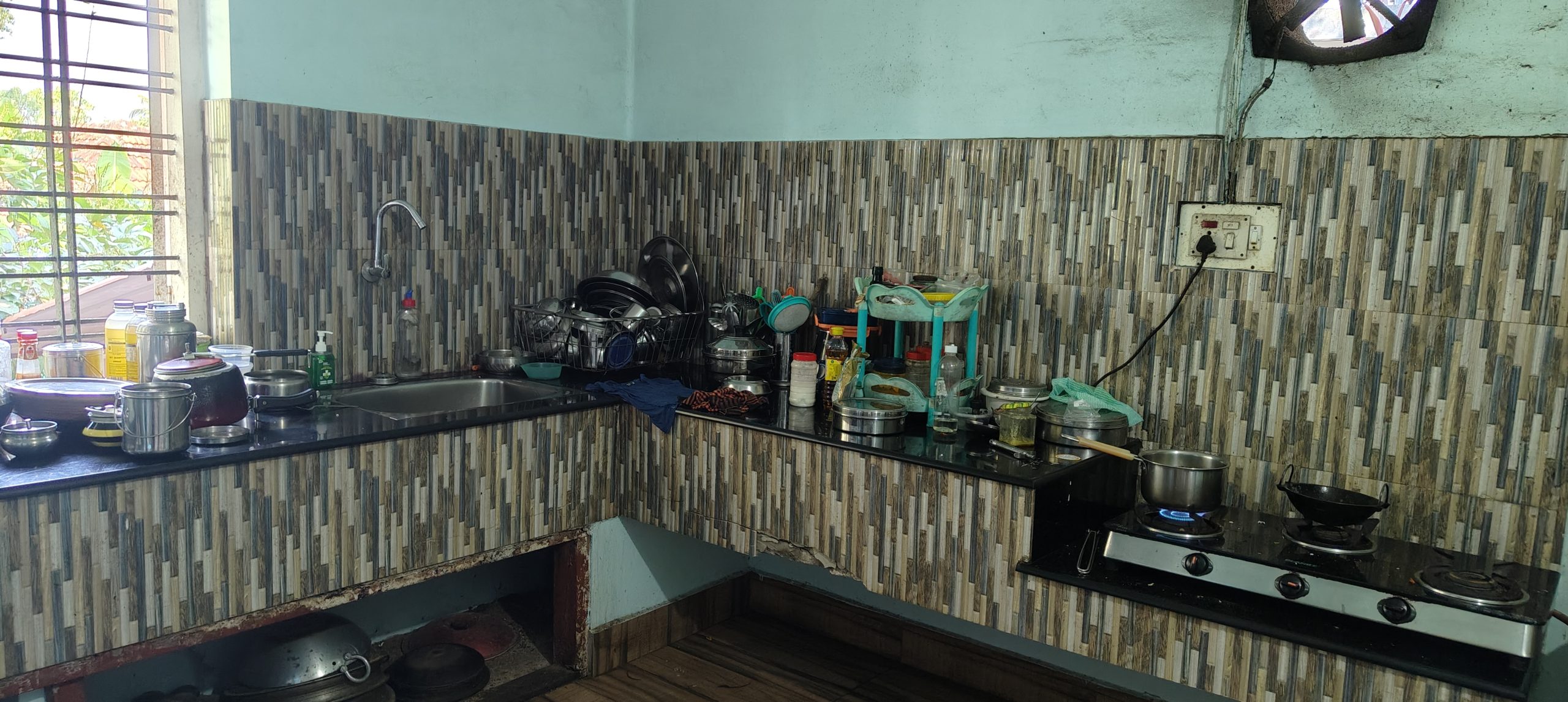
Modern science confirms that most chronic diseases — type 2 diabetes, heart disease, obesity, and kidney damage — are driven primarily by what we eat every day. Dietary choices are not made in clinics or pharmacies, but in the kitchen. The kitchen is where nourishment is prepared and where protection against health risks begins. A kitchen free of harmful foods is not just a room — it is a preventive health centre.
The Kitchen as Health Guardian
In every home, someone decides what food is bought, stored, cooked, and served. That person holds the key to the family’s long-term health.
Evidence is overwhelming: diets high in added sugars, refined carbohydrates, ultra-processed foods, and sugary drinks dramatically raise the risk of type 2 diabetes and cardiovascular disease. The World Health Organization notes that global diabetes cases have quadrupled in recent decades, driven largely by poor diet and inactivity.
Prevention starts with simple kitchen rules:
- If sugary drinks are not bought, they are not drunk.
- If refined snacks are not stocked, they are not eaten.
- If fresh vegetables and whole grains are prepared daily, they become the norm.
Sugar: The Silent Killer
Added sugar is one of the most damaging substances in modern diets.
Regular consumption of sugar-sweetened beverages increases the risk of type 2 diabetes by 25–30% for those drinking 1–2 servings daily. High sugar intake causes rapid blood glucose spikes, forces the pancreas to release large amounts of insulin, and over time leads to insulin resistance — the precursor to diabetes.
Diabetes then damages multiple organs:
- Heart and blood vessels (higher risk of heart attack and stroke)
- Kidneys (diabetic nephropathy, a leading cause of kidney failure)
- Nerves and eyes (neuropathy and vision loss)
Excess sugar also drives obesity, high triglycerides, and inflammation — all major heart disease risk factors.
Removing sugary drinks, sweets, sweetened cereals, and high-sugar packaged foods from the kitchen sharply reduces these risks.
Ultra-Processed Foods: Engineered for Harm
Packaged snacks, instant meals, processed meats, sugary cereals, and energy drinks are designed for palatability and shelf life, not health. Large studies link higher intake of ultra-processed foods to increased risk of diabetes and heart disease.
These products typically contain high added sugars, refined flour, trans fats, sodium, and artificial additives. When they fill kitchen shelves, disease risk rises. When they are replaced with whole foods, health improves.
Building a Clean, Protective Kitchen
A truly “clean” kitchen prioritises nutritional quality over mere hygiene.
Exclude:
- Sugar-sweetened and high-energy drinks
- Excessive sweets and confectionery
- Refined bakery products
- Heavily processed snacks
- Excess alcohol
Include:
- Fresh vegetables and fruits
- Whole grains
- Legumes and pulses
- Nuts and seeds
- Healthy fats in moderation
- Quality protein sources
Empowering the Kitchen Manager
In most households, women handle food shopping and preparation. Equipping them with practical nutrition knowledge — reading labels, spotting hidden sugars, understanding refined vs. whole grains, and planning balanced meals — transforms family health. Community studies show that better nutritional awareness among primary food preparers reduces childhood obesity and improves metabolic health across the household.
Prevention Through Kitchen Choices
Major trials have shown that dietary improvements can cut the risk of developing type 2 diabetes by 50–60% in high-risk individuals. Key changes — reducing refined carbs and added sugars, increasing fibre, and maintaining healthy weight — all begin in the kitchen.
Excess alcohol and energy drinks add further risks: empty calories, liver stress, blood sugar spikes, and worsened insulin resistance. A protective kitchen limits or eliminates them.
The Kitchen as Daily Medicine
Every meal is a health intervention. A plate rich in vegetables, whole grains, legumes, and moderate protein stabilises blood sugar, reduces inflammation, and protects heart and kidney function. A plate dominated by refined flour, sugar, and processed fats does the opposite.
A healthy kitchen also fosters regular meal timing, portion control, family meals, and mindful eating — all essential for metabolic health.
Conclusion
The simplest, most powerful way to prevent lifestyle diseases is disciplined kitchen management. Remove added sugars, refined items, sugary drinks, ultra-processed snacks, and excess alcohol. Stock whole, minimally processed foods. Educate the person in charge.
When freed from dietary toxins, the kitchen becomes a sanctuary that nourishes, protects organs, stabilises blood sugar, and extends healthy years.
The combat against chronic disease does not start in the hospital. It starts in the kitchen.
