


Bangalore : Bangalore is quickly becoming a major centre for advanced heart care in India. New, less invasive procedures are changing how heart problems are treated, helping patients recover in just a few days instead of several weeks. These treatments are also giving hope to patients who were earlier considered too risky for surgery.
Doctors are increasingly using modern procedures like TAVR (Transcatheter Aortic Valve Replacement) and TMVR (Transcatheter Mitral Valve Replacement). These methods are now replacing traditional open-heart surgeries, even in complicated cases.
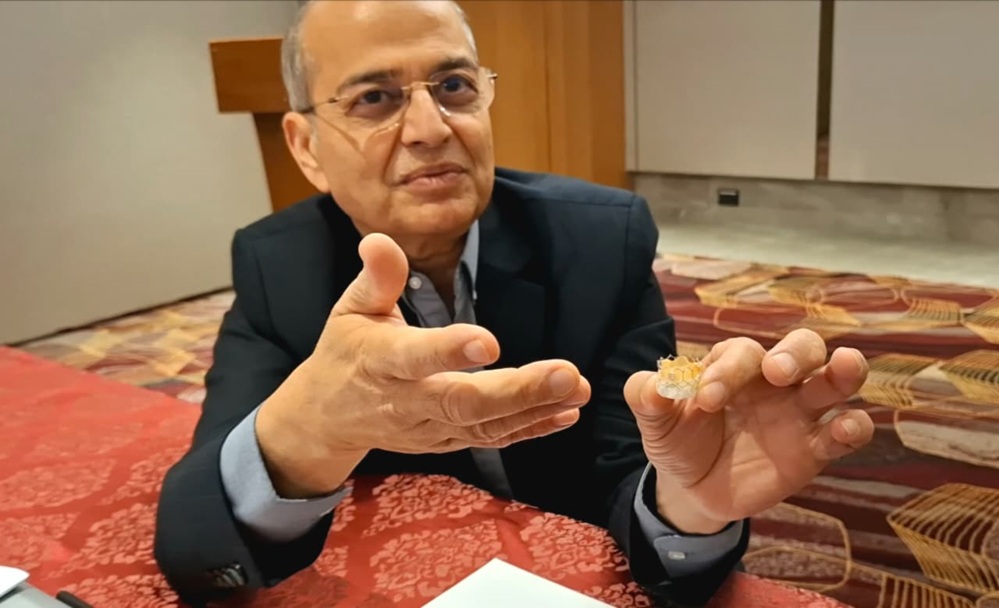
According to Dr. Sanjay Mehrotra, Senior Consultant Cardiologist at Narayana Institute of Cardiac Sciences, Bangalore, heart care in India is evolving quickly. He explains that these new technologies allow doctors to treat even complex heart conditions more safely, with better results and faster recovery.
From Weeks in Hospital to Home in 3 Days
One of the biggest benefits for patients is faster recovery. People who undergo TAVR are often able to get back on their feet within 24 to 72 hours, compared to spending weeks in the hospital after open-heart surgery.
Global data also shows that these treatments are reliable in the long run. More than 73% of patients who undergo TAVR or valve replacement surgery remain healthy without valve failure even after 7 years.
These technologies are especially helpful for patients who need a second heart procedure. Earlier, repeat surgeries were very risky. Now, doctors can treat such cases without opening the chest again.
For example, a patient whose earlier heart valve treatment didn’t work was treated using a new, less invasive procedure. This helped avoid another open-heart surgery completely. Doctors say more patients are now comfortable choosing these simpler and safer treatment options.
A Growing but Silent Problem Among Older People
Even with these medical advances, doctors warn about a serious issue, many heart conditions are still not detected early.
Diseases affecting heart valves are common in India. Rheumatic heart disease is still widespread, while conditions like aortic stenosis are increasing among older people in cities.
The biggest concern is that many people aged 60 and above are diagnosed only at a late stage, when treatment becomes more difficult. Doctors stress the need for regular check-ups and better awareness so that problems can be caught early.
Planning Heart Care for the Next 20–30 Years
Doctors are now taking a long-term approach to heart treatment. Since many Indian patients need treatment at a younger age and are living longer, doctors are planning care for the next 20 to 30 years, not just the present.
This means choosing the right first treatment while keeping future procedures in mind, ensuring patients receive continuous and effective care throughout their lives.
To make better decisions, hospitals are using a “heart team” approach, where cardiologists, surgeons, imaging experts, and anaesthesiologists work together to decide the best treatment for each patient.
Bangalore Setting the Benchmark
With its advanced hospitals, experienced doctors, and access to the latest technology, Bangalore is becoming a model for heart care in India.
As heart-related diseases continue to rise, especially among the ageing population, the city’s ability to provide faster, safer, and more advanced treatment is helping shape the future of cardiac care in the country
