

Former Tamil Nadu BJP Chief K. Annamalai Quits Party, Eyes New Youth-Centric Outfit to Challenge TVK’s Gen Z Dominance

From Our Correspondent
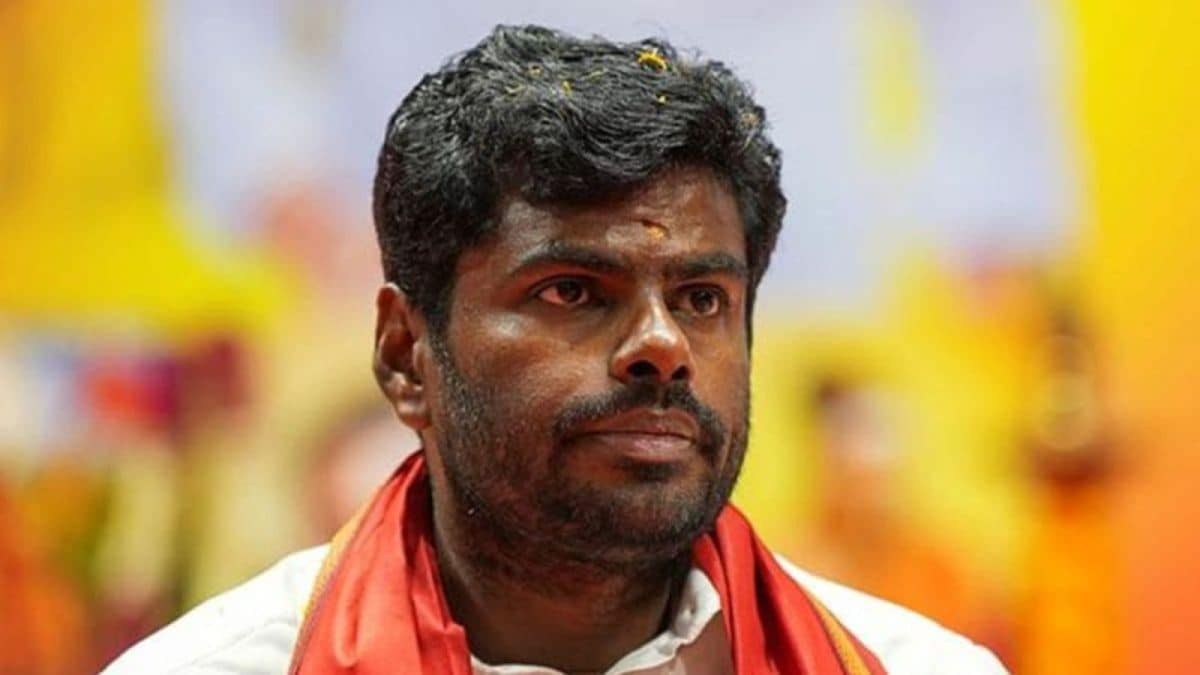
Chennai: In a move that could further fragment Tamil Nadu’s evolving political landscape, former Bharatiya Janata Party (BJP) state president K. Annamalai has resigned from the party’s primary membership. BJP National President Nitin Nabin formally accepted the resignation on Friday, ending weeks of speculation.
Annamalai, who served as state president from 2021 to April 2025, submitted his resignation letter on June 2 after meetings in Delhi, including with Union Home Minister Amit Shah. The 42-year-old former IPS officer cited internal differences and the party’s underwhelming performance in the 2026 Assembly elections, where the BJP managed just one seat.
Sources close to Annamalai indicate he plans to launch a new “movement” that could soon transform into a full-fledged regional political party. The strategy is explicitly aimed at attracting Gen Z voters and countering the formidable influence of actor-turned-politician Vijay’s Tamilaga Vetri Kazhagam (TVK), which stormed to power with 108 seats in the recent polls.
The 2026 Tamil Nadu Assembly elections highlighted a seismic shift driven by young voters. Gen Z, aged 18-29, comprised about 21.2 percent of the electorate — over 1.22 crore voters — with around 1.46 million first-time voters. Voter turnout hit a record 85.1 percent, significantly boosted by youth participation, especially in urban areas. TVK’s victory is widely described as Tamil Nadu’s — and possibly India’s — first major Gen Z mandate. Vijay’s party leveraged digital-first campaigning, social media including Instagram reels, memes and AI visuals, fan-club mobilization, and an anti-dynasty “change” narrative that resonated strongly with younger voters less bound by traditional Dravidian loyalties. Exit polls and analyses showed TVK drawing disproportionate support from the 18-29 and 30-39 age groups, urban educated youth, women, and first-timers across caste and religious lines.
Key drivers for Gen Z preferences included a strong desire for fresh alternatives amid anti-incumbency against prolonged Dravidian rule, a focus on employment, education reform, governance, women’s safety, and economic opportunities, and a preference for modern, relatable communication over rigid ideology or caste-based appeals. This generational realignment disrupted the bipolar DMK-AIADMK contest, leaving established parties scrambling.
Annamalai’s proposed new venture seeks to tap into this same demographic. Known for his energetic ‘En Mann En Makkal’ padayatra, direct style, and NGO ‘We The Leaders’, he aims to position the outfit as a development-oriented, anti-corruption, tech-driven platform appealing to youth disillusioned with both traditional parties and TVK’s star-powered model. Political observers note that while TVK captured the initial youth wave, the space remains open for competition. Annamalai’s corporate-style organization and online popularity could help him challenge TVK’s hold, particularly if he delivers on pragmatic issues that matter to Gen Z.
The resignation has prompted the BJP’s Tamil Nadu unit to convene a meeting to consolidate ranks. Senior leaders have downplayed the impact, but the exit of the party’s most visible face in the state is seen as a setback for its southern expansion.
As Annamalai is expected to elaborate his vision in a social media address soon, Tamil Nadu’s politics enters a new phase of multi-cornered contests. With TVK in power and other players regrouping, his youth-focused initiative could add fresh energy or intensify fragmentation, depending on how effectively he translates digital buzz into sustained grassroots support. The coming months will test whether Annamalai can carve out a viable third force in a state where Gen Z has proven it holds the key to electoral success.
