


By Suresh Unnithan
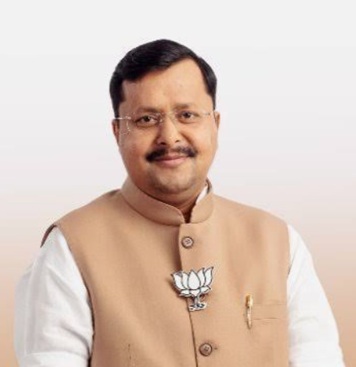
The appointment of Nitin Nabin as National President of the Bharatiya Janata Party (BJP) in January 2026 was projected as a vibrant generational reset. At 45, the Bihar MLA was positioned as a youthful leader capable of rejuvenating the organisation and connecting with newer demographics. Barely six months later, this narrative lies in tatters. Far from emerging as a decisive chief, Nabin stands exposed as an ineffective figurehead — a pawn in the dominant Shah-Modi combine, unable to curb the party’s intensifying internal factionalism or provide robust leadership during critical challenges.
Nabin’s installation, accompanied by Prime Minister Narendra Modi’s public statement framing him as the “boss” in party matters, was always more symbolic theatre than substantive empowerment. Real authority continues to reside with the Prime Minister’s Office and Union Home Minister Amit Shah. Nabin’s public activities — routine state visits, workers’ conventions, and repetitive ideological speeches — fail to conceal his limited operational influence. Key decisions on candidate selection, alliances, policy emphasis, and crisis handling remain centrally dictated, rendering the national president’s role largely ornamental and exposing his inability to lead from the front.
The most damning indictment of Nabin’s ineffectiveness is his failure to arrest, let alone resolve, the BJP’s intensifying internal factionalism. Regional power centres in states such as Uttar Pradesh, Maharashtra, Bihar, and Madhya Pradesh continue to assert themselves, often in conflict with central directives. Generational tensions pit younger aspirants against entrenched veterans, while ideological shades — from hardline cultural nationalists to more governance-oriented pragmatists — fuel quiet contestations. Personal loyalty networks and patronage dynamics further complicate the picture. Rather than mediating these divides through inclusive dialogue or decentralised empowerment, Nabin’s leadership has presided over a sharpening of these fault lines. Ground-level reports indicate rising discontent among cadres, who perceive a top-heavy structure that sidelines local initiative and breeds resentment.
This escalating factionalism is actively eroding organisational cohesion. Competing interests hinder seamless campaign execution, encourage internal lobbying over merit, and create openings for leaks or half-hearted implementation of strategies. The high command’s repeated interventions may enforce surface-level discipline, but they appear to be aggravating long-term fractures. Nabin, lacking independent stature or deep cross-factional credibility, has proven unable to foster genuine unity, allowing internal rivalries to intensify at a time when the party needs consolidated strength.
The ongoing Ayodhya Ram Temple donation controversy brutally highlights this leadership vacuum. Allegations of substantial misappropriation of devotee funds at the symbolically vital project have sparked public anger and aggressive opposition campaigns. Nabin’s rejoinder — routine accusations against Congress and Samajwadi Party for undermining Sanatan Dharma — has been widely panned as evasive and insufficient. He has offered no credible push for transparency, independent audits, or internal reforms to reassure the core base. In a party grappling with deepening factional rifts, the scandal has reportedly widened divides between aggressive defenders and those favouring damage limitation. An effective chief would have unified the ranks with proactive accountability; Nabin’s reactive posture has instead ceded ground, reinforcing perceptions of helplessness.
Opponents further underscore governance shortfalls in critical areas such as youth unemployment and educational reforms — spheres where a young president should have delivered visible impact. Nabin’s contributions here remain superficial and unconvincing, failing to generate organisational momentum or blunt criticism of broader institutional failures. The generational branding rings particularly ironic amid intensifying factional pressures that prioritise power struggles over substantive outreach and innovation.
Structurally, Nabin operates under heavy high-command oversight as a relatively junior appointee succeeding experienced stalwarts. While RSS linkages and centralised controls provide some adhesive, they have not prevented factionalism from intensifying. The outcome is a party that projects public unity but contends with internal strains that compromise agility and morale.
Nitin Nabin’s tenure as BJP chief thus far paints a troubling portrait of ineffectiveness. His inability to tame intensifying factionalism, mount credible defences in controversies like Ayodhya, or project autonomous leadership cements his image as a subordinate figure in the Shah-Modi framework rather than a commanding president. For the BJP to maintain long-term dominance, it urgently requires a chief who can genuinely control the party, bridge internal divides, and lead from the front. Until Nabin demonstrates these capacities, questions about his suitability and the sustainability of the current model will only grow louder. Upcoming electoral battles and organisational reviews will deliver the clearest verdict on this leadership’s shortcomings.
